
Tag Archives: Smartwatches

World Economic Forum: Top Stories- Aug 26, 2023

World Economic Forum (August 26, 2023) – This week’s top stories of the week include:

0:15 Scientists develop concrete battery – It could one day be built into the foundations of homes or incorporated into a roadway so electric cars can charge contactlessly as they drive. MIT researchers discovered a new ‘supercapacitor’ by combining cement with carbon black. A sooty residue left over when things burn, and mixing them both with water.

1:48 3 farmers tell how heat is affecting their crops – Experts rank the food supply crisis as one of the world’s top 5 currently manifesting risks. This German farmer has started planting lavender. It’s best suited to the sandy soils and sunshine of the Mediterranean but climate change is bringing these conditions to southern Germany. The lavender is used in cosmetics and perfumes. Matthias Tafelmeier planted his first lavender crop in 2019 after what he says was a decade of declining soil quality. Farmers in the region are also trying other crops more suited to warmer climates such as chickpeas and kidney beans.

3:25 Smartwatch detects Parkinson’s 7 years early – By keeping track of our movement, they can help doctors spot who is vulnerable, years before visible symptoms show up. Cardiff University scientists looked at data from 100,000 smartwatch wearers. Tracking their speed of movement over a single week between 2013 and 2016. Using AI, the team could distinguish those who went on to develop Parkinson’s from those who didn’t and detect early signs up to 7 years in advance.

5:04 Cleaning your house can help tidy your mind – “Cleaning is a great practice, which reminds you of the connection with the ground and the Earth and the universe.” To Buddhists, cleaning is not just cleaning. In Zen Buddhism, it’s known as samu, or work practice and it offers the chance to meditate and be present in the midst of daily tasks.

_____________________________________________

The World Economic Forum is the International Organization for Public-Private Cooperation. The Forum engages the foremost political, business, cultural and other leaders of society to shape global, regional and industry agendas. We believe that progress happens by bringing together people from all walks of life who have the drive and the influence to make positive change.

Healthcare: The Digital Medicine Revolution

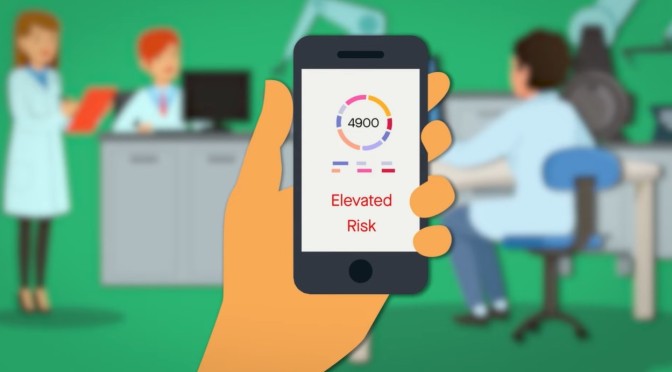
Scripps Research (April 11, 2023) – From smartwatches and fitness bands to glucose monitors and in-home ultrasounds, the proliferation of digital devices is igniting a revolution in healthcare and medical research.

Patients can now collect thousands of data points about themselves and share that information with their healthcare providers. At the Scripps Research Translational Institute, researchers are taking advantage of new technology to study disease in novel ways.

Their projects include a platform for early detection of disease outbreaks, a sleep quality study, and even a way to predict and individual’s risk of certain disease based on their genetics. In this video, hear directly from the team about this exciting new frontier.

READ MORE

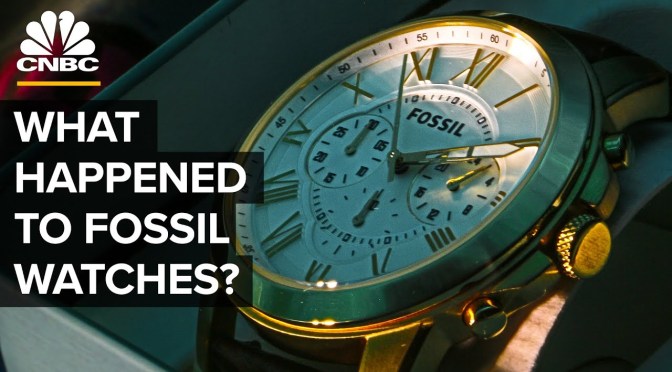
Analysis: How Will Fossil Watches Survive? (Video)

The global watchmaking industry has changed since the introduction of the smartphone and as demand for fitness trackers and smartwatches grow. Legacy watchmakers, like Fossil, have had to adapt and give customers new reasons to keep timepieces on their wrists. The company has been planning for the future by bringing its own smartwatches to market, initiating a multi-year turnaround plan and focusing on growing markets in China and India. But will that be enough?

Digital Health: The Future Of Wearable Devices

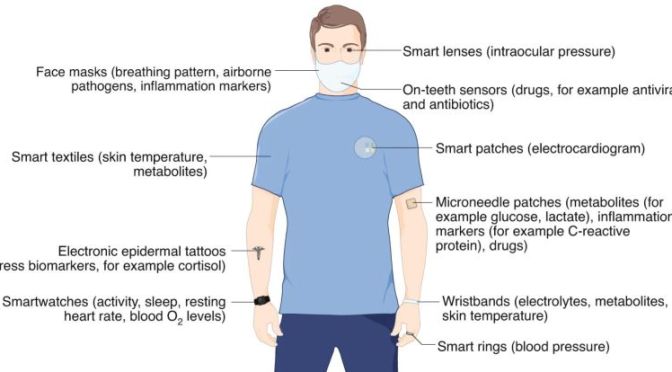
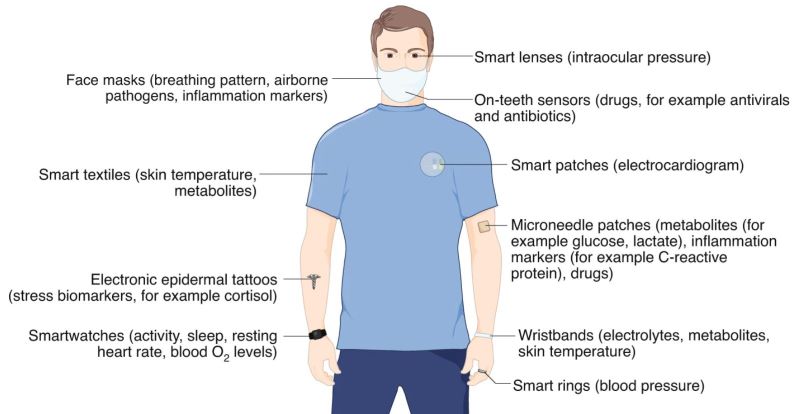
Currently, smartwatches provide information such as heart rate, sleep time and activity patterns. In the future, this could be augmented with new classes of wearable devices that monitor, for example, concentrations of cortisol for tracking stress (using electronic epidermal tattoos), biomarkers of inflammation and levels of blood O2 (microneedle patches), skin temperature (electronic textiles), blood pressure (smart rings), concentration of ions (wristbands), intraocular pressure (smart contact lenses), the presence of airborne pathogens and breathing anomalies (face masks), and the concentration of therapeutic drugs (on-teeth sensors)2,10,12,13,14,15,16. Such emerging low-cost wearable sensing technologies, monitoring both physical parameters and biochemical markers, could be used to identify symptomatic and pre-symptomatic cases in future pandemics. The devices could also be used to remotely monitor the recovery of individuals undergoing treatment or self-isolating at home.

Read more