Tag Archives: Scientific American

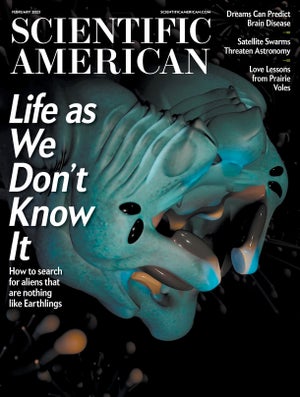
Cover Preview: Scientific American – February 2023

February 2023

Scientific American – February 2023:

The Search for Extraterrestrial Life as We Don’t Know It

Scientists are abandoning conventional thinking to search for extraterrestrial creatures that bear little resemblance to Earthlings

Satellite Constellations Are an Existential Threat for Astronomy

Growing swarms of spacecraft in orbit are outshining the stars, and scientists fear no one will do anything to stop it

Solving Cement’s Massive Carbon Problem

New techniques and novel ingredients can greatly reduce the immense carbon emissions from cement and concrete production
Cover Preview: Scientific American – January 2023

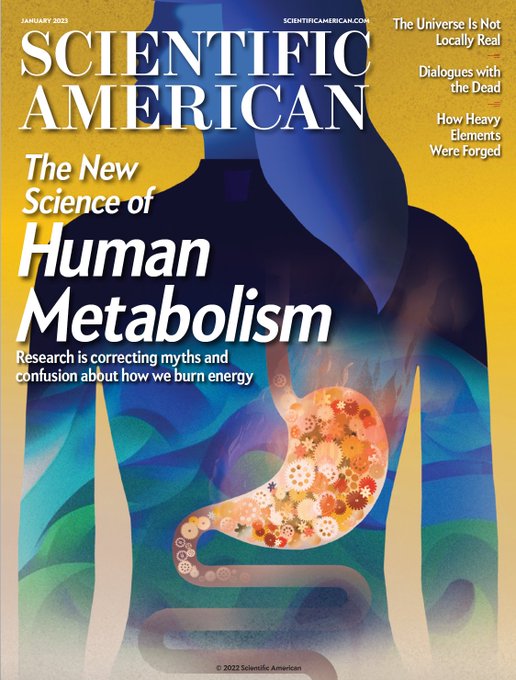
Scientific American – January 2023 issue:

Image

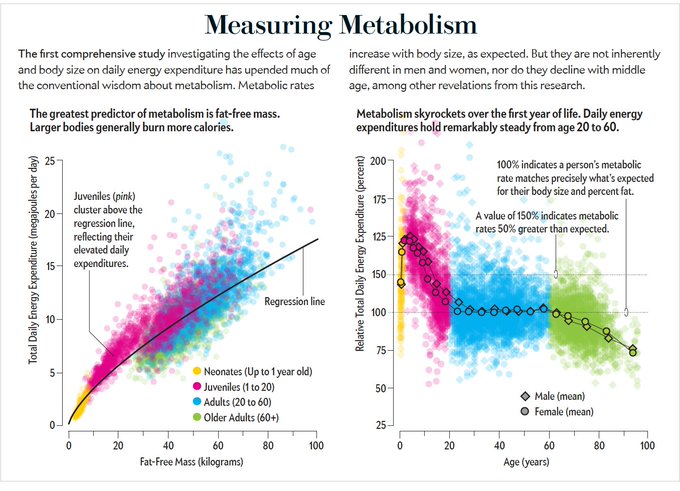
New Human Metabolism Research Upends Conventional Wisdom about How We Burn Calories

Metabolism studies reveal surprising insights into how we burn calories—and how cooperative food production helped Homo sapiens flourish

How Star Collisions Forge the Universe’s Heaviest Elements

Scientists have new evidence about how cosmic cataclysms forge gold, platinum and other heavy members of the periodic table

This Spiritual Tradition Could Be the Most Poetic Bereavement Therapy Ever Documented

A mourning ritual of dialogues with the dead speaks to the fragility of theological diversity

Image

Cover Preview: Scientific American – December 2022

December 2022

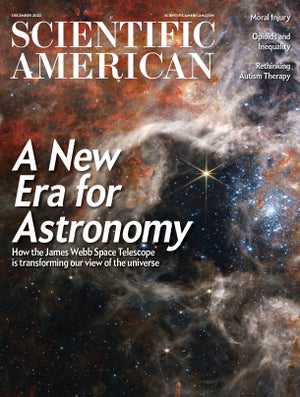
Scientific American – Inside the December 2022 issue:

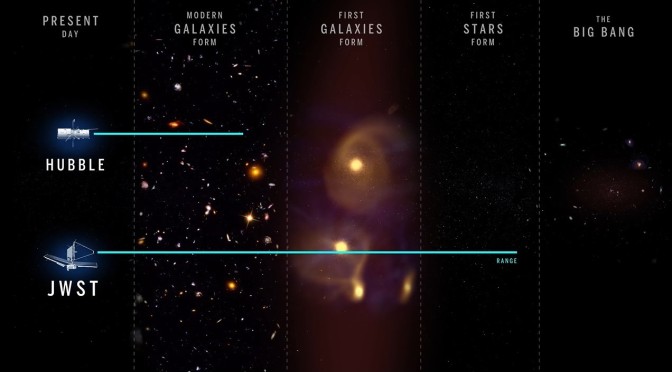
How JWST Is Changing Our View of the Universe

The James Webb Space Telescope has sparked a new era in astronomy

JWST’s First Glimpses of Early Galaxies Could Break Cosmology

The James Webb Space Telescope’s first images of the distant universe shocked astronomers. Is the discovery of unimaginably distant galaxies a mirage or a revolution?

How Taking Pictures of ‘Nothing’ Changed Astronomy

Deep-field images of “empty” regions of the sky from JWST and other space telescopes are revealing more of the universe than we ever thought possible

Cover Preview: Scientific American – November 2022

Image

Antarctica’s Collapse Could Begin Even Sooner Than Anticipated

Two expeditions to the Thwaites Ice Shelf have revealed that it could splinter apart in less than a decade, hastening sea-level rise worldwide

Engineered Metamaterials Can Trick Light and Sound into Mind-Bending Behavior

Advanced materials can modify waves, creating optical illusions and useful technologies

Fossils Upend Conventional Wisdom about Evolution of Human Bipedalism

For most of human evolution, multiple species with different ways of walking upright coexisted

Cover Preview: Scientific American – September 2022

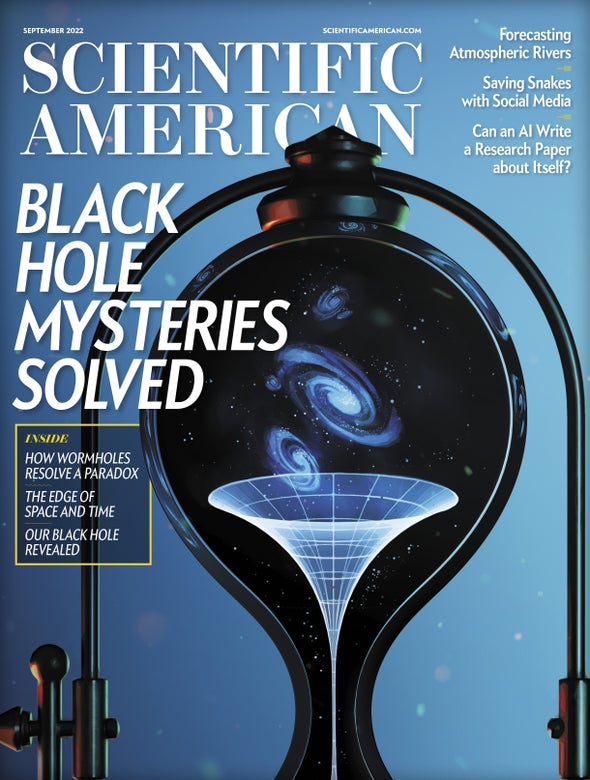
New Solutions to Black Holes, Snake Phobia and Forecasting Atmospheric Rivers

New Solutions to Black Holes, Snake Phobia and Forecasting Atmospheric Rivers

These fun stories show progress from the scale of quantum effects to that of snakes and from Earth to the edge of the universe

Monkeypox Explained: Transmission, Symptoms, Vaccines and Treatment

Tanya Lewis

AI Can Help Indigenous People Protect Biodiversity

Wai Chee Dimock

CLIMATE CHANGE

What Megafires Can Teach Us about California Megafloods

Chelsea Harvey and E&E News

Cover Preview: Scientific American – August 2022

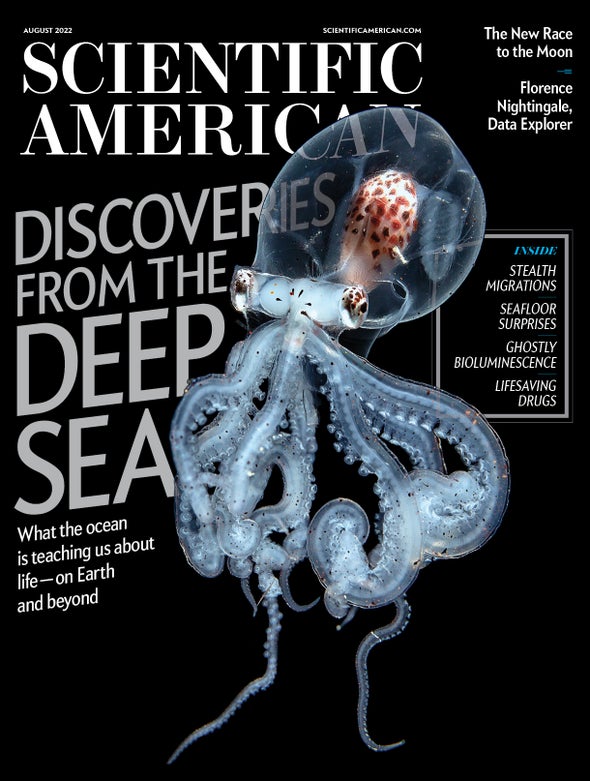
Mystery, Discovery and Surprise in the Oceans
Credit: Scientific American, August 2022

Mystery, Discovery and Surprise in the Oceans

Bizarre sea creatures, a new view of the ocean, the race to the moon, and more

We humans may think of ourselves, or possibly beetles, as typical Earthlings, but to a first approximation, life on Earth exists in the sea. And what spectacular life! Our special package on the oceans is teeming with images of eerie, delicate, elaborate, glowing and occasionally kind of frightening creatures that have rarely been seen by terrestrial species. The in-depth report was guided by sustainability senior editor Mark Fischetti along three main themes: mystery, discovery and surprise.

Astronomy: James Webb Telescope In The Cosmos

Decades of work, $10 billion in spending and nearly 14 billion years of cosmic history have brought us to this moment. The first science from the James Webb Space Telescope, the largest and most powerful observatory ever built. What questions will it answer? What new mysteries will discover? What will this new eye on the cosmos reveal? The telescope’s first science images will be out VERY soon. Here’s a quick look at what you can expect when they drop. For complete cover of the Webb, hit up: http://sciam.com/jwst

Cover Preview: Scientific American – July 2022

SPACE EXPLORATION

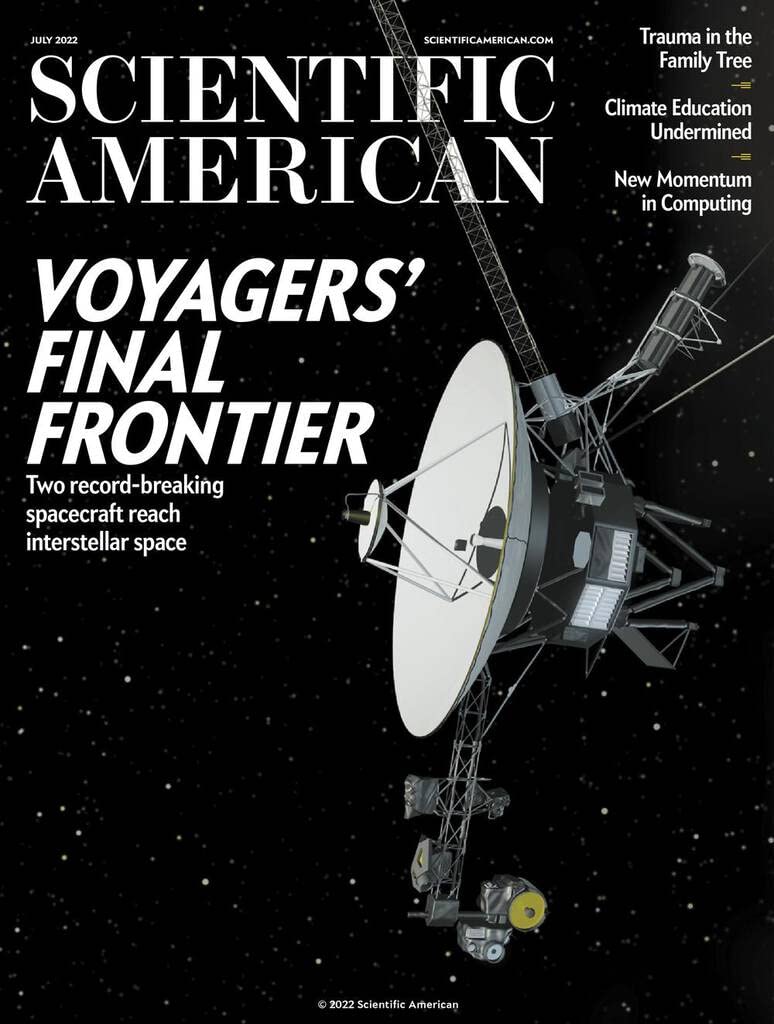
Record-Breaking Voyager Spacecraft Begin to Power Down

The pioneering probes are still running after nearly 45 years in space, but they will soon lose some of their instruments

By Tim Folger

EDUCATION

Subverting Climate Science in the Classroom

Oil and gas representatives influence the standards for courses and textbooks, from kindergarten to 12th grade

By Katie Worth

PSYCHOLOGY

How Parents’ Trauma Leaves Biological Traces in Children

Adverse experiences can change future generations through epigenetic pathways

By Rachel Yehuda

EVOLUTION

Toxic Slime Contributed to Earth’s Worst Mass Extinction–And It’s Making a Comeback

Global warming fueled rampant overgrowth of microbes at the end of the Permian period. Such lethal blooms may be on the rise again

By Chris Mays, Vivi Vajda and Stephen McLoughlin

COSMOLOGY

Astronomers Gear Up to Grapple with the High-Tension Cosmos

A debate over conflicting measurements of key cosmological properties is set to shape the next decade of astronomy and astrophysics

By Anil Ananthaswamy

COMPUTING

‘Momentum Computing’ Pushes Technology’s Thermodynamic Limits

Overheating is a major problem for today’s computers, but those of tomorrow might stay cool by circumventing a canonical boundary on information processing

By Philip Ball

Previews: Scientific American – June 2022

June 2022 – Volume 326, Issue 6

FEATURES

NEUROSCIENCE

How the Brain ‘Constructs’ the Outside World

Neural activity probes your physical surroundings to select just the information needed to survive and flourish

By György Buzsáki

NEUROSCIENCE

U.S. Kids Are Falling behind Global Competition, but Brain Science Shows How to Catch Up

Paid parental leave and high-quality child care improve children’s brain development and prospects for a better future

By Dana Suskind and Lydia Denworth

PALEONTOLOGY

How Mammals Conquered the World after the Asteroid Apocalypse

They scurried in the shadows of dinosaurs for millions of years until a killer space rock created a new world of evolutionary opportunity

By Steve Brusatte

ASTROPHYSICS

Mysterious Fast Radio Bursts Are Finally Coming into Focus

Twenty years after their initial detection, enigmatic blasts from the sky are starting to deliver tentative answers, as well as plenty of science

By Adam Mann