
Tag Archives: Science

Research Preview: Nature Magazine – June 1, 2023

Volume 618 Issue 7963

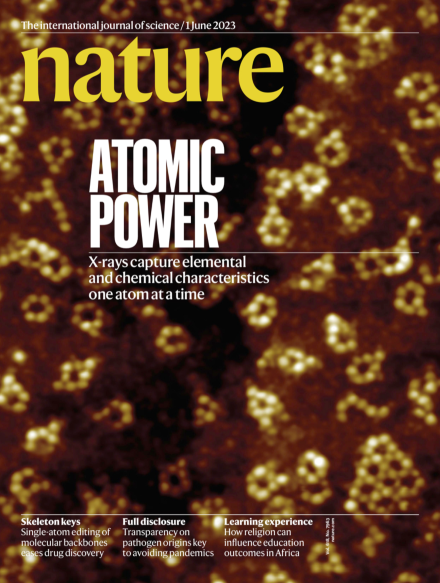
nature Magazine – June 1, 2023 issue:  X-rays are widely used to characterize materials, but samples still require a reasonably high number of atoms for success. In this week’s issue, Saw-Wai Hla and his colleagues report that they have used synchrotron X-rays to characterize the elemental and chemical state of an individual atom. The team was able to detect X-ray-excited currents generated from an iron and a terbium atom in molecular hosts.

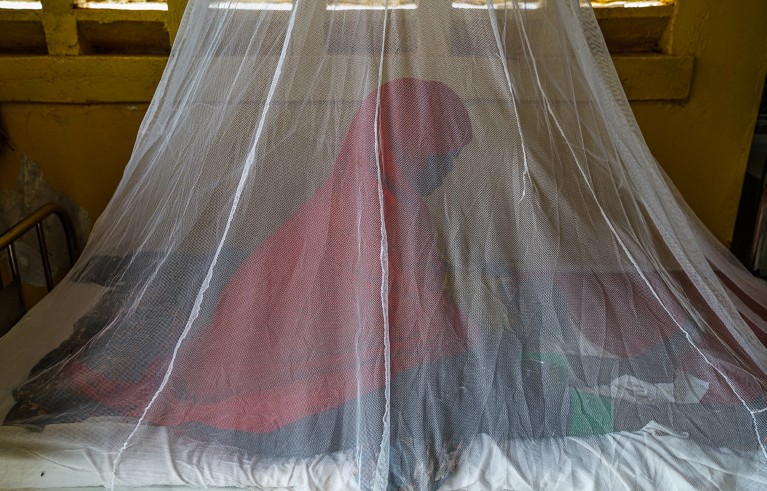
How can mosquitoes find you? All you have to do is exhale

A person sits on a bed behind a mosquito net.

Free-flying mosquitoes gravitate toward pads that emit carbon dioxide, which is found in human breath.

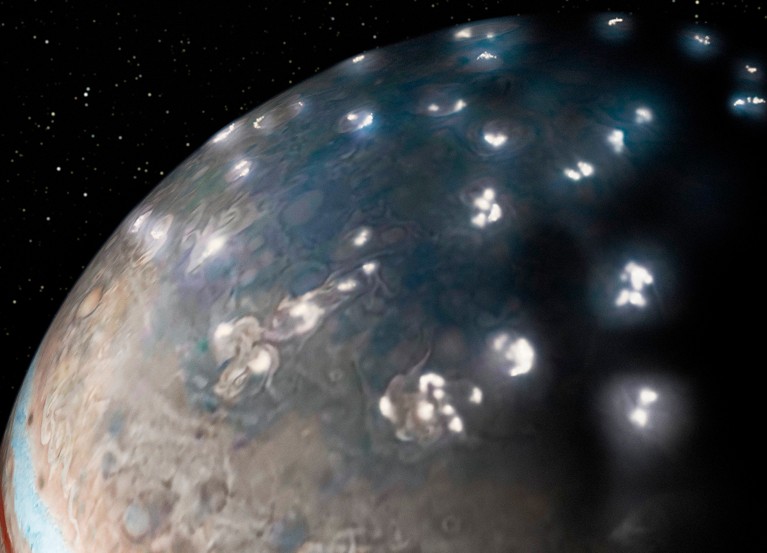
Jupiter’s lightning has rhythm — just like Earth’s

Lightning on Jupiter, composite image.

Bolts begin as a series of short pulses both on Earth and on its much bigger, gassier neighbour in the Solar System.

Research Preview: Science Magazine – May 26, 2023

Image

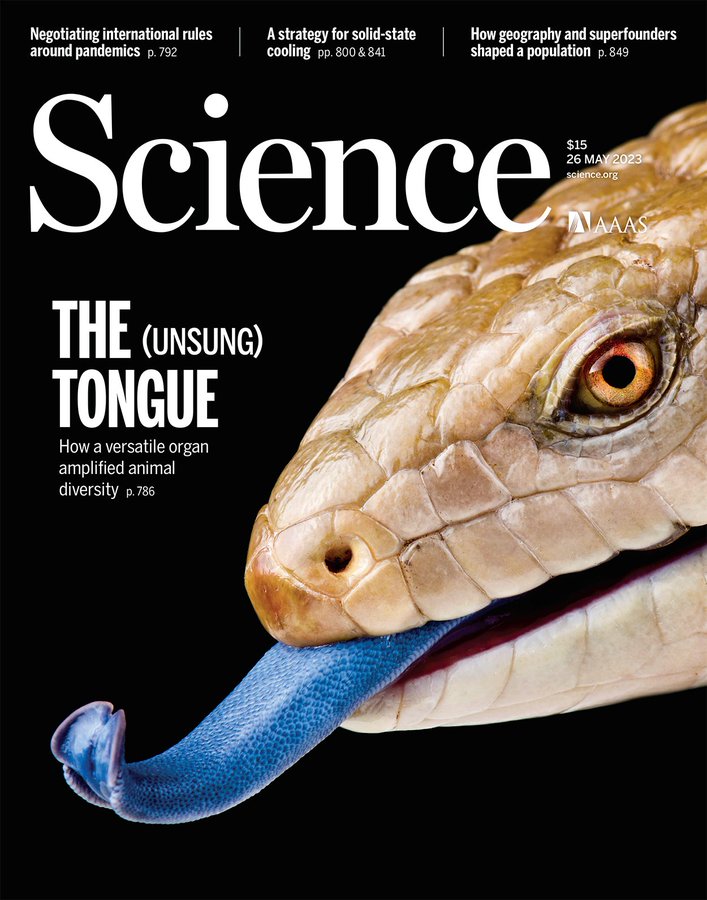
Science Magazine – May 26, 2023 issue: Tongues are thought to have evolved when vertebrates first moved onto land and could no longer rely on suction to ingest food. Since then, they have helped drive animal diversification by adopting functions as varied as pumping nectar, snagging prey, shaping speech, and, in the case of Australia’s northern blue-tongued skink (Tiliqua scincoides intermedia), startling enemies.

The COVID-19 virus mutated to outsmart key antibody treatments. Better ones are coming

illustration of an antibody bound to the SARS-CoV-2 spike protein

As pandemic slows and COVID-19 funding dwindles, researchers worry companies won’t have incentives to bring improved antibodies to market.

TALES OF THE TONGUE

Since first evolving 350 million years ago, the tongue has taken myriad forms, unlocking new niches and boosting the diversity of life

A brightly colored chameleon with its long black tongue extended in the air to capture a black and yellow locust.

Twice, quarterback Patrick Mahomes has led the Kansas City Chiefs to victory in the Super Bowl, the pinnacle of U.S. football. Although most fans have their eyes on the ball as Mahomes prepares to throw, his tongue does something just as interesting.

Research Preview: Nature Magazine – May 25, 2023

Image

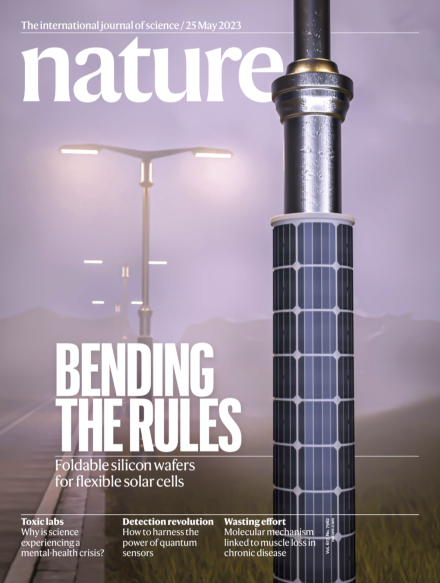
nature Magazine – May 25, 2023 issue:  In this week’s issue, Wenzhu Liu and colleagues present a way to make foldable silicon wafers that can be used in flexible solar cells. The secret to success was to blunt the edges of the silicon wafers, thereby stopping them from undergoing brittle fracturing. As a result, the researchers were able to make 15-centimetre solar cells with a bending angle of more  than 360°.

Oldest known ‘blueprints’ aided human hunters 9,000 years ago

Prehistoric engravings depict vast hunting traps with extraordinary precision.

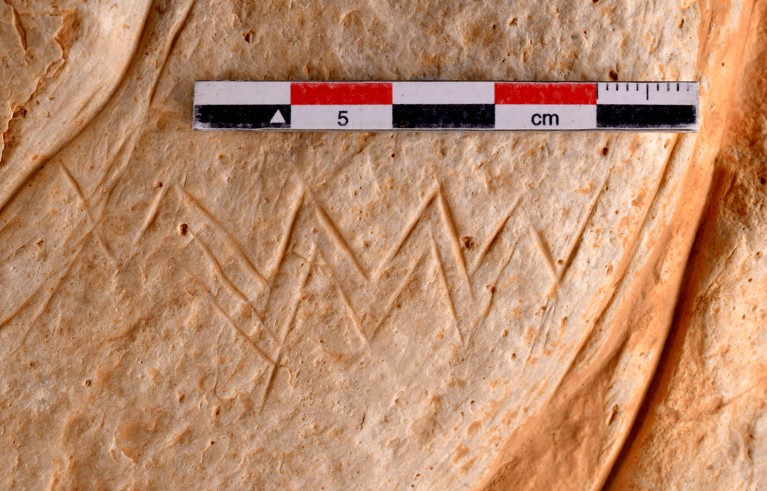
Photograph of a stone engraved with zig-zag lines.

The oldest blueprints ever found might have been used to prepare for large-scale hunts1.

Engraved lines on a stone in Jordan might depict landscape features near a large-scale hunting structure.

Ecosystems: Biodiversity In The British Isles (2023)

DW Documentary (May 19, 2023) – Human pollution is increasing worldwide. The overexploitation of nature is endangering biodiversity and plastics and chemicals are destroying many of humanity’s nature-based livelihoods.

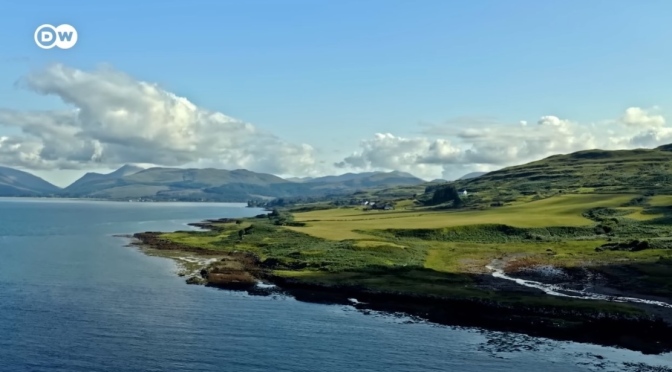
But there is hope. The UK is not exactly known for its stringent environmental policy and following Brexit, many fear that standards are likely to deteriorate. But the UK is also home to coastal regions and islands characterized by wild beauty — and breathtaking diversity. The documentary takes us through some of the most remote landscapes of the country, from the Shetland Islands to Cornwall, the Hebrides and many other areas.

In each location, the film shows the amazing biodiversity of fauna and flora present. The Pembrokeshire Coast National Park in Wales is known for large breeding colonies of many seabird species. Few people live on the Hebrides, located off Scotland. These wild islands are still a natural paradise of rocks, sand and moor. As such, they are biotopes for exotic species such as puffins and guillemots.

In this cinematic journey to the most beautiful natural sites in Britain, viewers meet the people who are trying to protect species threatened by extinction by preserving their habitats. It is a story of hope, one that indicates that a change in people’s thinking is taking place.

Research Preview: Science Magazine – May 19, 2023

Contents | Science 380, 6646

Science Magazine – May 19, 2023 issue: More than half of the world’s largest lakes have declined over the past three decades. Human water consumption, warming climate, and sedimentation are largely responsible. Lake Powell, shown here, with its once-submerged walls that now appear as whitened surfaces, exemplifies this drying trend. 

Cloning vigorous crops, and finding the first romantic kiss
First up this week, building resilience into crops. Staff Writer Erik Stokstad joins host Sarah Crespi to discuss all the tricks farmers use now to make resilient hybrid crops of rice or wheat and how genetically engineering hybrid crop plants to clone themselves may be the next step.
After that we ask: When did we start kissing? Troels Pank Arbøll is an assistant professor of Assyriology in the department of cross-cultural and regional studies at the University of Copenhagen. He and Sarah chat about the earliest evidence for kissing—romantic style—and why it is unlikely that such kisses had a single place or time of origin.

Global loss of lake water storage

Drying trends are prevalent worldwide

The ancient history of kissing

Sources from Mesopotamia contextualize the emergence of kissing and its role in disease transmission

The disappearing boundary between organism and machine

Artificial skin mimics the sensory feedback of biological skin

Research Preview: Nature Magazine – May 18, 2023

Volume 617 Issue 7961

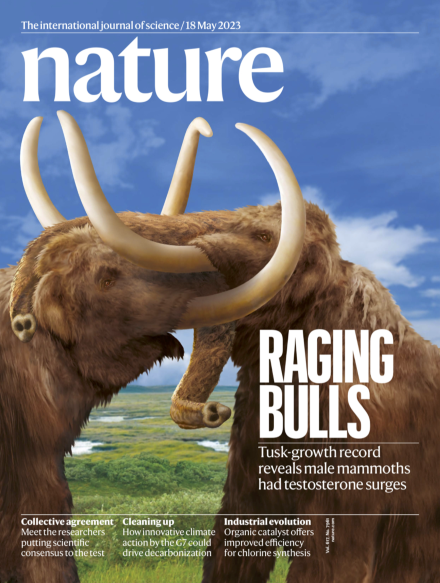
nature Magazine – May 18, 2023 issue: The cover shows an artist’s impression of two male mammoths fighting. During episodes of musth, adult male elephants undergo periods of elevated testosterone levels associated with aggression and competition for mating. In this week’s issue, Michael Cherney and his colleagues show that male woolly mammoths (Mammuthus primigenius) experienced similar episodes of musth. 

The ocean is hotter than ever: what happens next?

Record temperature combined with an anticipated El Niño could devastate marine life and increase the chances of extreme weather.

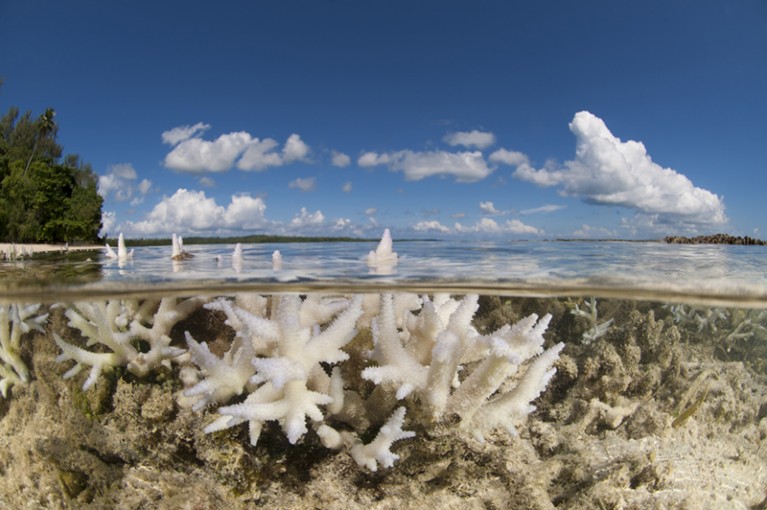
Split level of shallow bleaching corals and island, New Ireland, Papua New Guinea, June 2010

The global ocean hit a new record temperature of 21.1 ºC in early April, 0.1 ºC higher than the last record in March 2016. Although striking, the figure (see ‘How the ocean is warming’) is in line with the ocean warming anticipated from climate change. What is remarkable is its occurrence ahead of — rather than during — the El Niño climate event that is expected to bring warmer, wetter weather to the eastern Pacific region later this year.

For chemists, the AI revolution has yet to happen

Machine-learning systems in chemistry need accurate and accessible training data. Until they get it, they won’t achieve their potential.

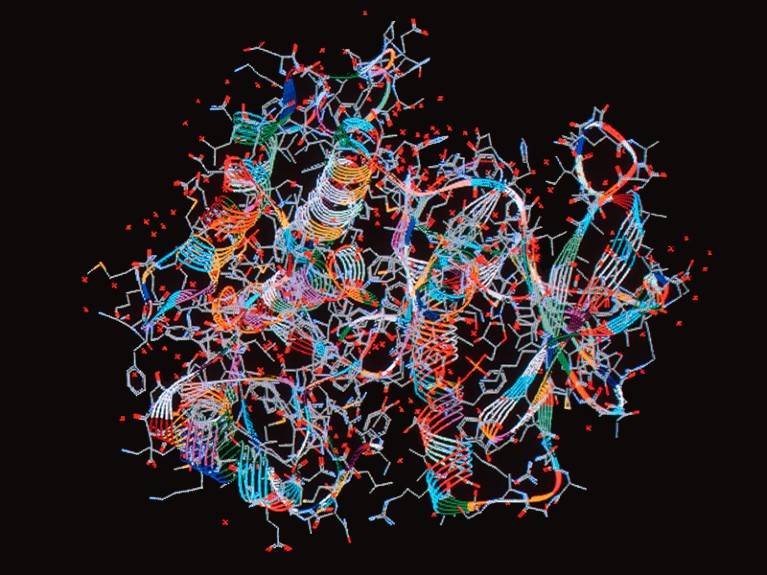
Cancer protein. Computer model of the enzyme protein tyrosine kinase, which is involved in cancer cell formation.

Many people are expressing fears that artificial intelligence (AI) has gone too far — or risks doing so. Take Geoffrey Hinton, a prominent figure in AI, who recently resigned from his position at Google, citing the desire to speak out about the technology’s potential risks to society and human well-being.

Nature Reviews: Top New Science Books – May 2023

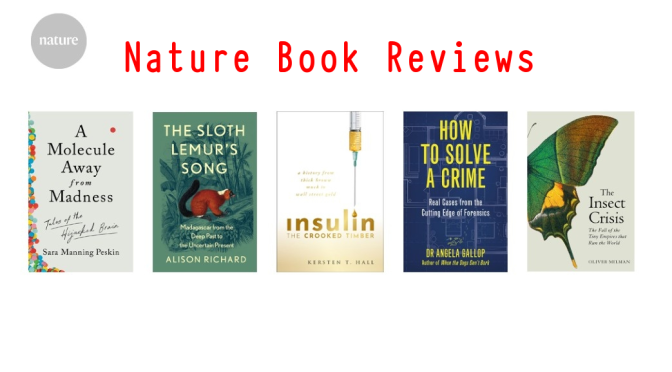
nature Magazine Science Book Reviews – May 15, 2023: Prejudice in technology, and the necessity of time. Andrew Robinson reviews five of the best science picks.

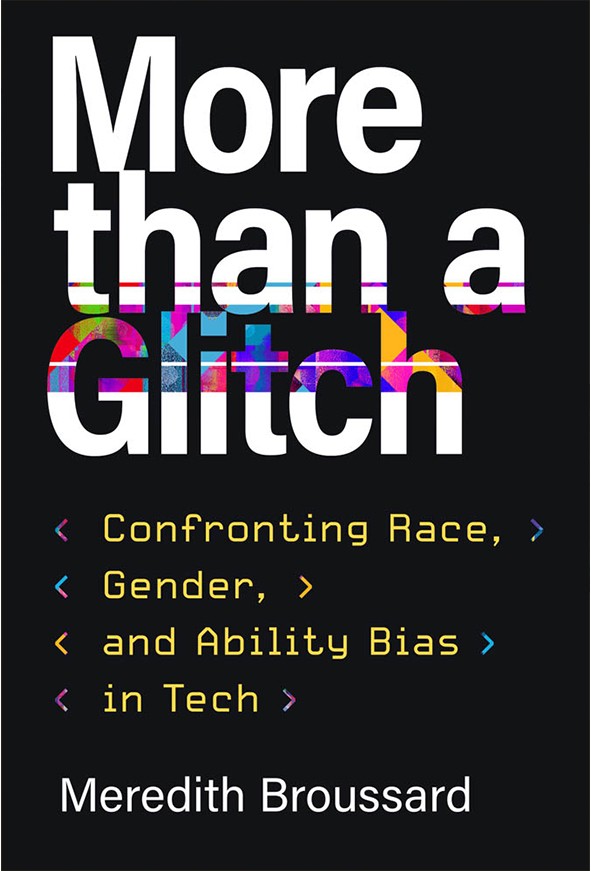
More Than a Glitch

Meredith Broussard – MIT Press (2023)

An artificial-intelligence (AI) ‘glitch’ is a problem neither expected nor consequential. Bias, by contrast, is baked in and disastrous, argues data scientist Meredith Broussard, one of very few Black women in this field, who focuses on AI and journalism. “Tech is racist and sexist and ableist because the world is so,” she says. Vivid examples in her disturbing book include that of a man arrested by US police using facial-recognition technology — purely because both he and the suspect in a blurry surveillance photo were Black.

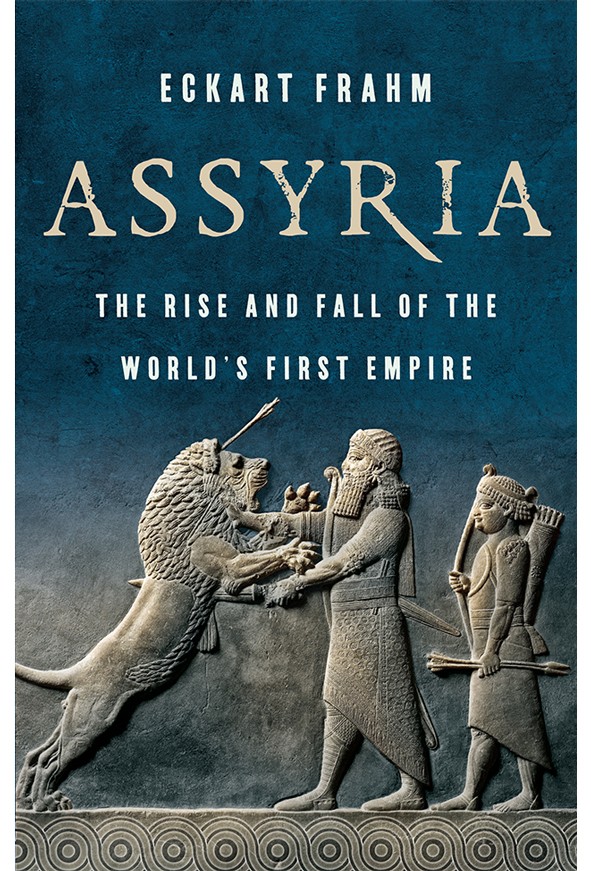
Assyria

Eckart Frahm – Basic (2023)

The world’s first empire flourished in Assyria in the eighth and seventh centuries bc, and has long been seen as the epitome of barbarism. But, as Assyriologist Eckart Frahm reveals in his deeply informed, challenging history, Assyria produced many features of the modern world. Its innovations included long-distance trade, sophisticated communications networks, mass deportations and widespread political surveillance. Unlike most later empires, he writes, it was at least honest in its “open celebration of plunder, torture, and murder”.

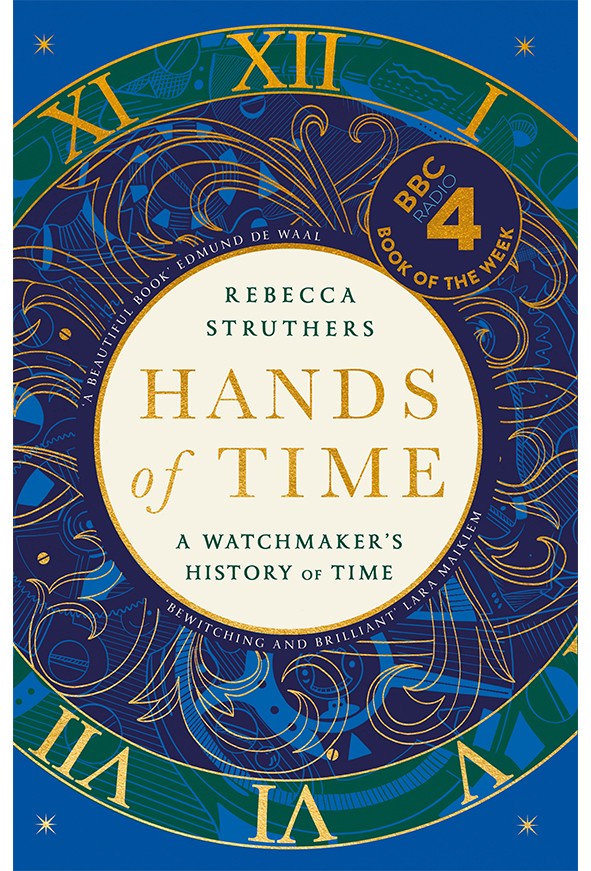
Hands of Time

Rebecca Struthers –  Hodder & Stoughton (2023)

‘Time’ is “the most commonly used noun” in English, according to Rebecca Struthers, the first professional watchmaker in the United Kingdom to earn a PhD in horology. Each chapter of her exquisitely crafted history explores a pivotal moment in watchmaking from the past 500 years. Mechanical timekeepers, she argues, have influenced human culture as much as the printing press. Imagine trying to catch a train by depending on the Sun’s position, or to perform an organ transplant without measuring the patient’s heart rate precisely.

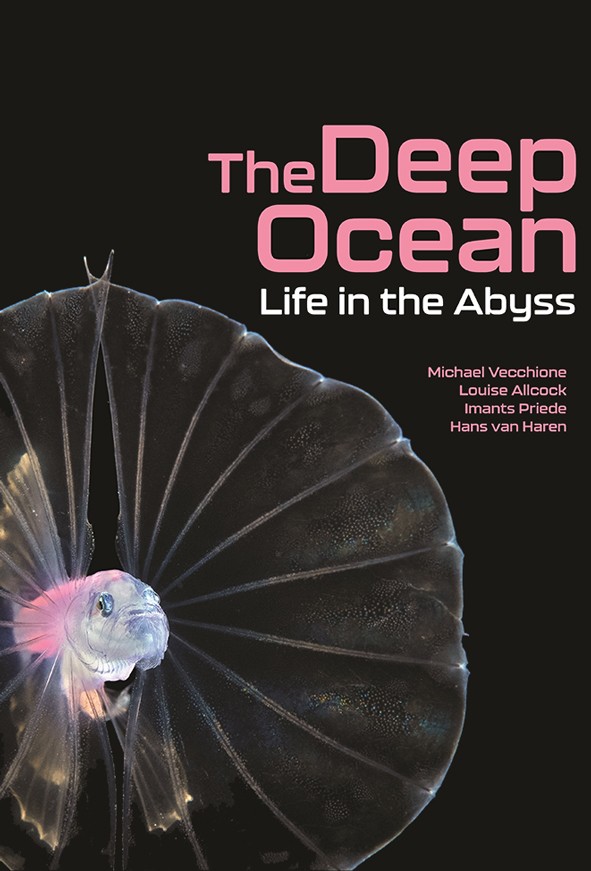
The Deep Ocean

Michael Vecchione et al. Princeton Univ. Press (2023)

“For most people, the deep ocean is out of sight and out of mind,” write three zoologists and an oceanographer. The zone starts where penetration of sunlight can no longer support photosynthesis, about 200 metres down. This guidebook dissipates ignorance with superb colour photographs of astonishing organisms, accompanied by detailed captions and brief essays. For example, the vampire squid (Vampyroteuthis infernalis) is neither vampire nor squid, but was so named because its black ‘cloak’ reminded scientists of Dracula.

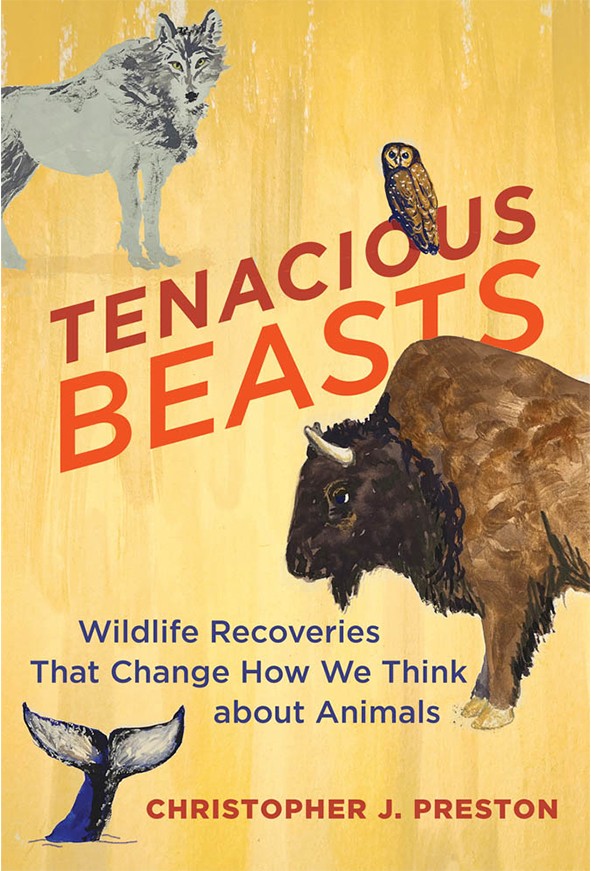
Tenacious Beasts

Christopher J. Preston –  MIT Press (2023)

Humans and domestic animals make up 96% of the mass of the world’s mammals. The outlook for wildlife “remains dire”, writes philosopher Christopher Preston. But he describes signs of hope in his well-travelled, thoughtful study of recoveries. Populations of humpback whales in the western Indian Ocean have surged since the mid-twentieth century; those of Californian black bears have quadrupled in a few decades. He visits farmland, prairie, river, forest and ocean, exploring why only certain species are recovering.

Research Preview: Science Magazine – May 12, 2023

Science | AAAS

Science Magazine – May 12, 2023 issue: Scalloped hammerhead sharks (Sphyrna lewini) form daytime schools near the ocean’s surface and, at night, dive into cold, deep waters to hunt deep-sea prey. They keep warm while deep diving by closing their gills—effectively holding their breath.

‘It’s still killing and it’s still changing.’ Ending COVID-19 states of emergency sparks debate

Tedros Adhanom Ghebreyesus speaks at International Health Regulations Emergency Committee for COVID-19 meeting

Moves by WHO and U.S. usher pandemic into new phase of disease monitoring, even as coronavirus kills thousands weekly

Research Preview: Nature Magazine – May 11, 2023

Volume 617 Issue 7960

nature Magazine – May 11, 2023 issue: The human reference genome has been the backbone of human genomics since the release of the draft sequence in 2001. But it has its limitations: one genome cannot hope to capture the diversity of the human species. In this week’s issue, the Human Pangenome Reference Consortium presents the first draft human pangenome, which combines genetic material from 47 genetically diverse individuals to provide a more complete picture of the human genome.

They’re a couple: JWST is first to spot pair of mysterious ‘Y dwarfs’

A dark brown sphere with lighter bands seen against a starry sky.

Two extremely cool examples of ‘failed stars’ called brown dwarfs are found orbiting each other.

Research Preview: Science Magazine – May 5, 2023

Current Issue Cover

Science Magazine – May 5, 2023 issue: The immune system protects us from cancer and infection using a powerful armamentarium that is kept in check by an array of regulatory processes. When they fail, the immune system can start attacking the host in a process known as autoimmunity. This special issue highlights recent advances in our understanding of autoimmune diseases and the regulation of immune tolerance. See the special section beginning on page 468.

When a delicate balancing act goes wrong

Antibodies that target self-antigens are an important component of certain autoimmune diseases and are sometimes used as a clinical marker for these syndromes. ILLUSTRATION: STEPHAN SCHMITZ/FOLIOART

A cardinal feature of the immune system is its ability to distinguish self from nonself. Although many early immunologists thought that its powerful defenses could rarely, if ever, be turned against the host, pioneering research on autoimmune diseases beginning in the early 1900s has documented a different reality. More than 80 different autoimmune disorders have now been described that may affect up to 5% of the population.

Russia tensions keep Arctic research on ice

Collaboration stifled as many scientists look to establish fieldwork elsewhere

Twist of fate

A physician-scientist has probed Parkinson’s disease for more than 30 years. Now, he has it