
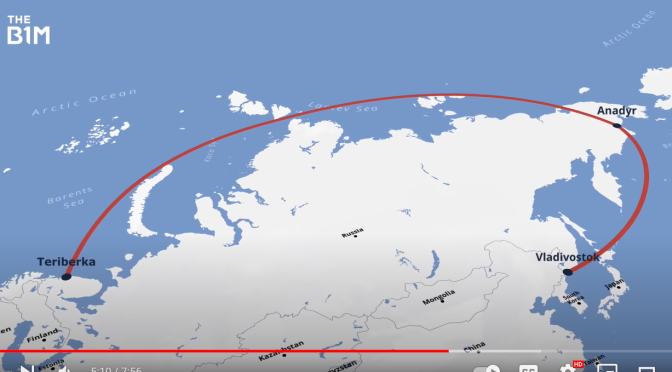
Russia’s Arctic construction boom is seriously warming up.
Tag Archives: Russia

Cover Previews: Time Magazine – January 31

Morning News: Russia’s NATO Demands, Future Of Work, Garlic In Cuba
This week’s flurry of diplomacy aims to address what Vladimir Putin, Russia’s president, says he wants. He cannot get it. Does an invasion of Ukraine hang in the balance?
At an annual jamboree of economists our correspondent finds an unusual focus on the future—in particular the future of home working. And why Cuba has an enormous trade in grey-market garlic.

News Analysis: Putin’s Russia, Performative Work, Soccer’s Elite
A selection of three essential articles read aloud from the latest issue of The Economist. This week, how to talk to Mr Putin, the rise of performative work (9:45) and the lingering effects of covid-19 on elite footballers (15:00).

Aerial Views: Frozen Lake Baikal, Siberia, Russia (8K)
The Noor 8K remastered is a non-narrative short drone film shot entirely on DJI Mini 2 in beautiful landscapes of frozen Baikal lake in the Eastern Siberia region of Russia.
Noor (Нуур) is a Buryat word for lake, and Buryat is ethos people who have populated this area for many years, so it was appropriate to use their beautiful word for this short film.
The region of Baykal lake is famous for winter travels due to fact that this world’s largest pure water lake gets frozen and became one of the most beautiful sites in the world. Rocky clips froze during the storms and get white lower parts together with dark blue see-through ice make it amazing to photograph.
Morning News: France Anti-Vax Moves, Myanmar Violence, Ukraine Support
France imposes new restrictions on anti-vaccine movement, violence escalates in Myanmar, President Biden speaks to leader of Ukraine, and Finland politics. From London.
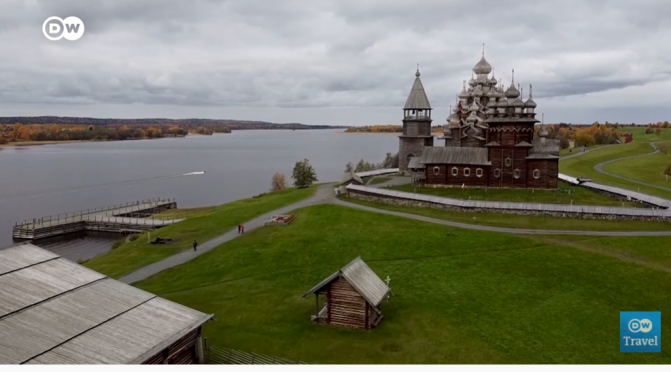
Travel Views: Lake Onega & Karelia, Northwest Russia
Have you ever heard of Karelia? This remote region lies in the far north of Europe, on Russia’s border with Finland, and is a travel destination for those in the know. Karelia has centuries old traditions and stunning natural landscapes with vast lakes. We visit Lake Onega, Europe’s second largest lake, taste kalitki, a regional dish, go to the Banya, a traditional “black sauna”, and much more.
The Republic of Karelia is a region in northwest Russia, bordering Finland. Beside Lake Onega, capital city Petrozavodsk is home to cultural artifacts at the National Museum. On an island northeast, Kizhi Museum is an open-air complex of traditional wood buildings. Northwest, Kivach Nature Reserve has pine woods and a waterfall. West of Petrozavodsk, blue-domed Valaam Monastery is on an island in massive Lake Ladoga.
Morning News: Omicron Infections Soar, Maxwell Guilty, Russia-Ukraine
The Omicron variant is behind the new record for daily infections in the United States, but there are scientists who say it isn’t as bad as some may think.
A jury found British socialite Ghislaine Maxwell guilty of facilitating the abuse of underage girls at the hands of wealthy financier Jeffrey Epstein. And, President Vladimir Putin has requested a phone call with President Joe Biden amid heightened tension on the Russian border with Ukraine.
Morning News: Russia & NATO, Biden Policies, 2022 World Economy Forecast
Monocle’s Georgina Godwin brings us the day’s top stories live from Midori House in London.
Morning News: Covid Pill Approved, Capitol Hill Riot, Putin Conference
The FDA has approved the emergency use of Pfizer’s antiviral COVID pill. The House Select Committee investigating the January 6 insurrection at the Capitol wants to question Representative Jim Jordan.
And, the world is watching President Vladimir Putin’s annual year-end press conference a little closer this year as tensions rise on the border with Ukraine.
 Boomers Daily