


Some botanists maintain that peas are capable of associative learning, others that tropical vines have a sort of vision. If plants possess sentience, what is the morally appropriate response?
The Light Eaters: How the Unseen World of Plant Intelligence Offers a New Understanding of Life on Earth by Zoë Schlanger
The Nation of Plants by Stefano Mancuso, translated from the Italian by Gregory Conti
Planta Sapiens: The New Science of Plant Intelligence by Paco Calvo with Natalie Lawrence
A collection of excerpts from women’s diaries written over the past four centuries offers a vast range of human experience and a subtle counterhistory.
Secret Voices: A Year of Women’s Diaries edited by Sarah Gristwood
The painter Paula Modersohn-Becker’s ascension to greater visibility raises questions about how we assess artistic talent, how reputations are made, and how we reevaluate once-neglected artists, particularly women.
Paula Modersohn-Becker: Ich bin Ich/I Am Me an exhibition at the Neue Galerie, New York City, June 6–September 9, 2024, and the Art Institute of Chicago, October 12, 2024–January 12, 2025
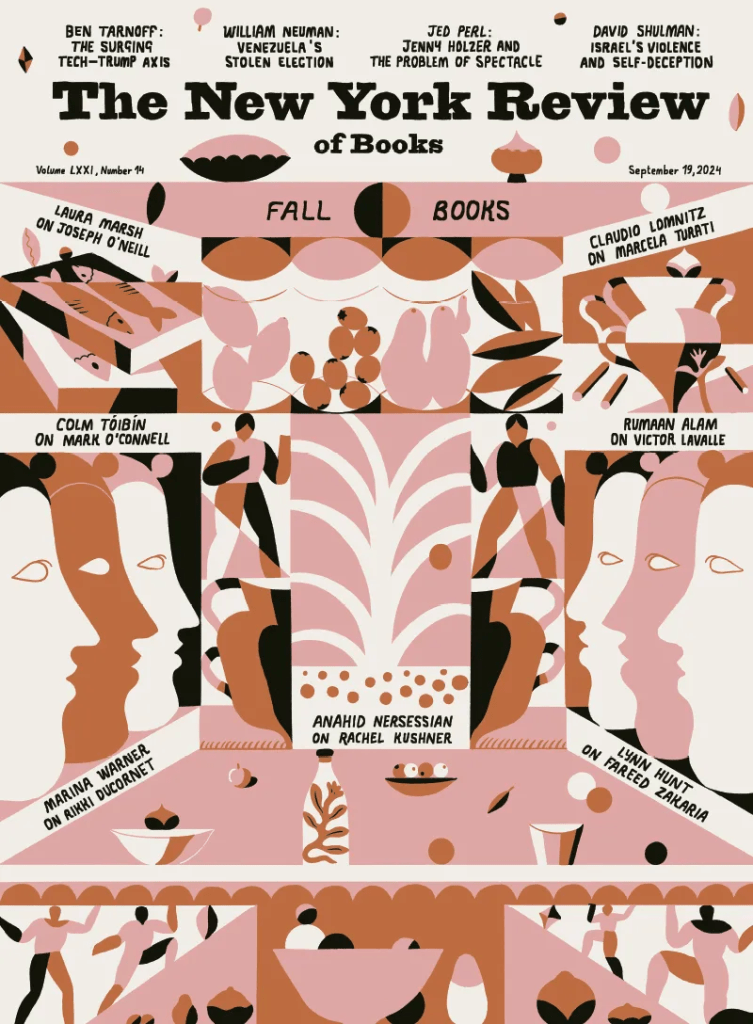
Creation Lake by Rachel Kushner
Rachel Kushner’s fourth novel tells the story of a spy-for-hire who infiltrates the ranks of a radical French commune.
Why have right-wing ideas found such an eager audience among tech elites during Biden’s presidency?
During the last half-century, artists, curators, and scholars have been increasingly preoccupied with the idea of spectacle and with how to embrace, critique, or co-opt the power of work that envelops and overwhelms the viewer.
Jenny Holzer: Light Line – An exhibition at the Solomon R. Guggenheim Museum, New York City, May 17–September 29, 2024
Tricks of the Light: Essays on Art and Spectacle by Jonathan Crary
The Avant-Gardists: Artists in Revolt in the Russian Empire and the Soviet Union, 1917–1935 by Sjeng Scheijen
Reading the Constitution: Why I Chose Pragmatism, Not Textualism by Stephen Breyer
In his new book, Reading the Constitution, Stephen Breyer criticizes recent Supreme Court decisions on issues such as abortion and gun rights as the product of rigid and imperfect reasoning rather than of ideology, and he argues for a more pragmatic jurisprudence.
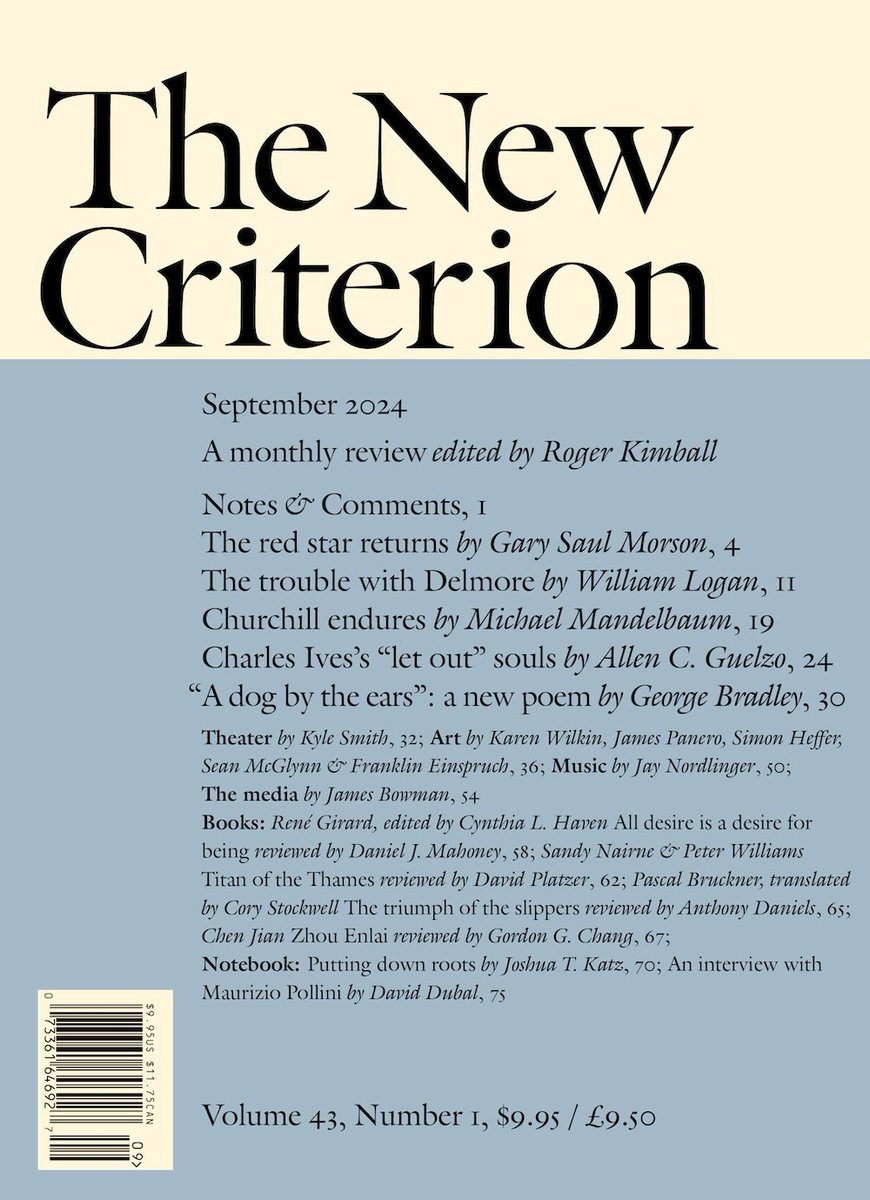
On John Constable’s The Hay Wain & the foundations of the West.
We write as The New Criterion’s annual period of aestivation enters its home stretch. The cicadas are buzzing, the days are noticeably shorter, and the leaves—some of them—are already edged with brown. Certain summers feature quiet expanses of lazy days. This one was different. In July, Donald Trump, except for the tip of his right ear, dodged a would-be assassin’s bullet; Joe Biden dropped (or, we now know, was pushed) out of the 2024 presidential race but, as of this writing, remains president; Kamala Harris, Biden’s vice president, stepped into the vacancy and magically became the new candidate for president, choosing the Minnesota governor Tim Walz as her running mate.
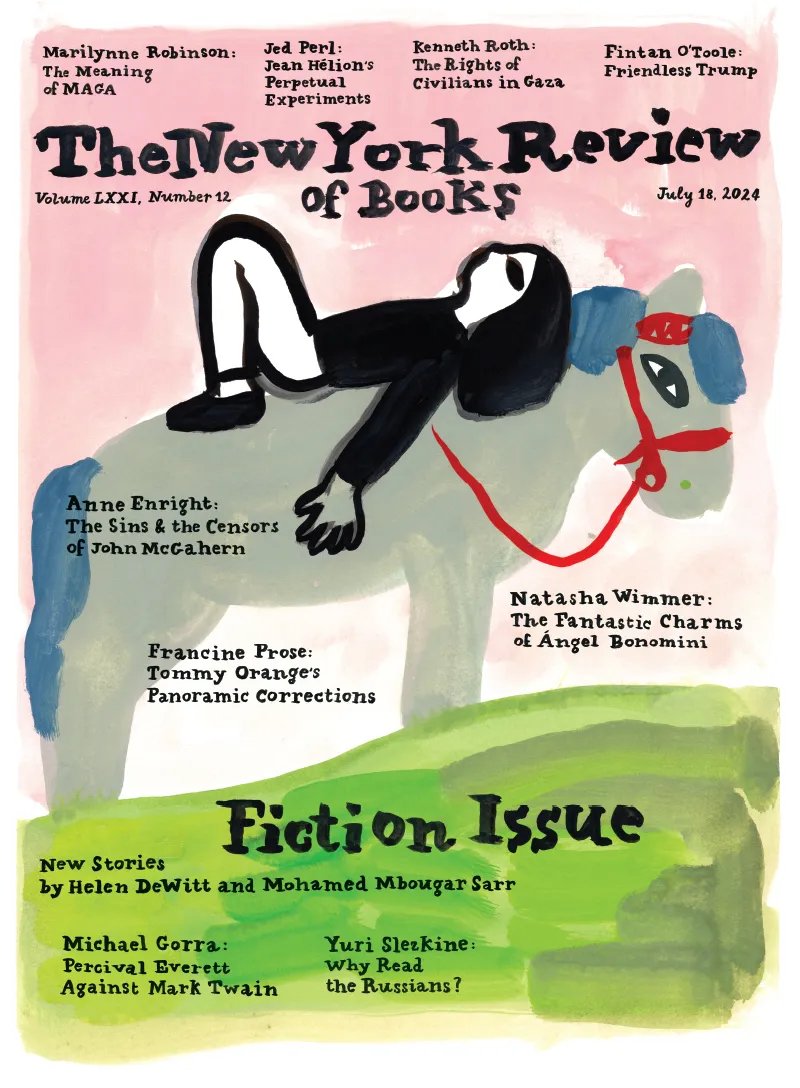
The French artist Jean Hélion approached painting with a philosophical precision, each style a hypothesis to be investigated and tested.
Jean Hélion: La Prose du monde – an exhibition at the Musée d’Art Moderne de Paris, March 22–August 18, 2024
In James, Percival Everett’s smart, funny, brutal retelling of The Adventures of Huckleberry Finn, Everett takes readers deeper into the capricious yet certain violence of American slavery, giving the characters a life that seems to lift off the page.
James by Percival Everett
The short fiction of Ángel Bonomini possesses a lightness that sets him apart from contemporaries like Borges and Cortázar.
The Novices of Lerna by Ángel Bonomini, translated from the Spanish by Jordan Landsman
In the Renaissance, reading became both a passion and a pose of detachment—for those who could afford it—from the pursuits of wealth and power.
A Marvelous Solitude: The Art of Reading in Early Modern Europe by Lina Bolzoni, translated from the Italian by Sylvia Greenup
Untold Futures: Time and Literary Culture in Renaissance England
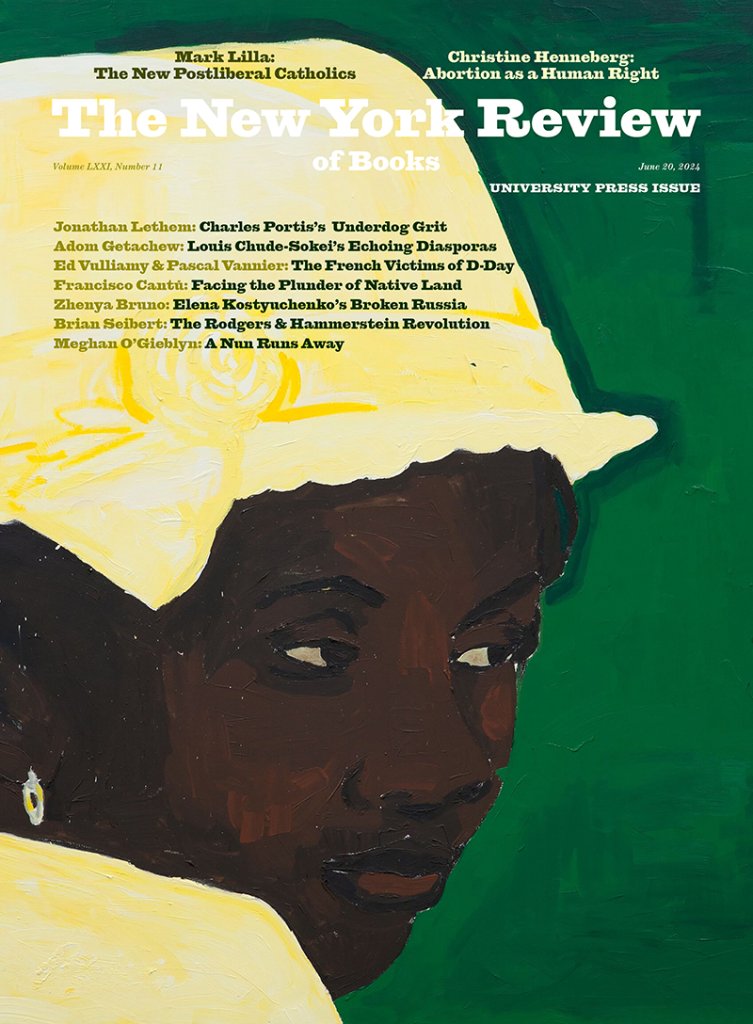
The scholar Louis Chude-Sokei does the urgent work of reimagining the African diaspora as multiple diasporas.
Floating in a Most Peculiar Way by Louis Chude-Sokei
The Last “Darky”: Bert Williams, Black-on-Black Minstrelsy, and the African Diaspora by Louis Chude-Sokei
The Sound of Culture: Diaspora and Black Technopoetics by Louis Chude-Sokei
 The New Criterion – The June 2024 issue features:
On combating anti-Semitism & anti-Americanism.
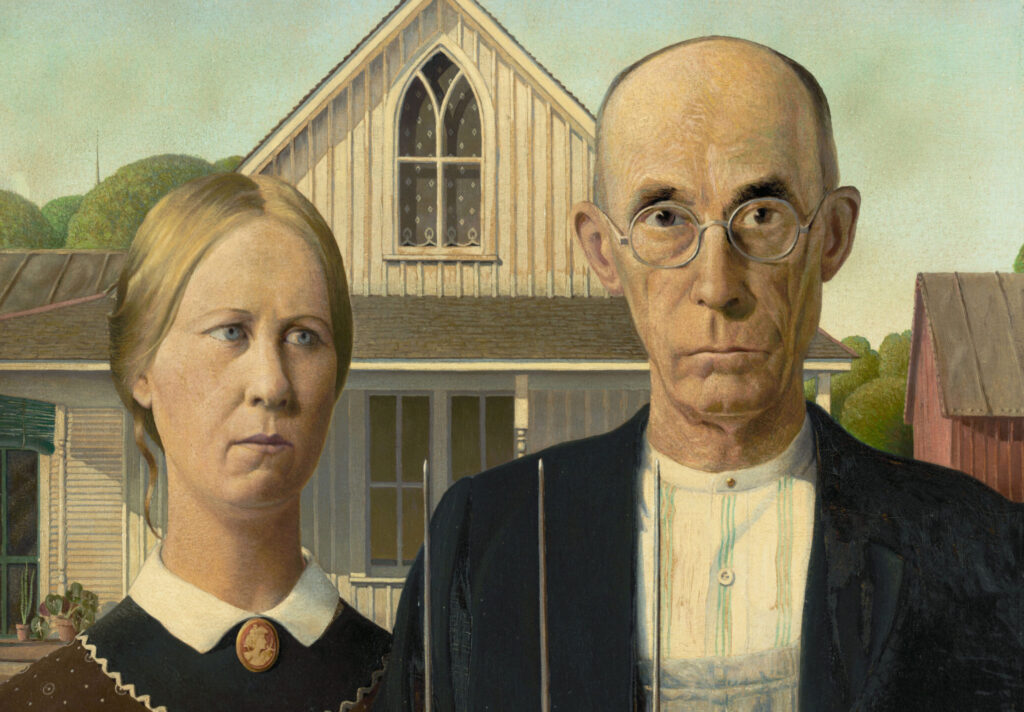
On White Rural Rage by Tom Schaller & Paul Waldman.
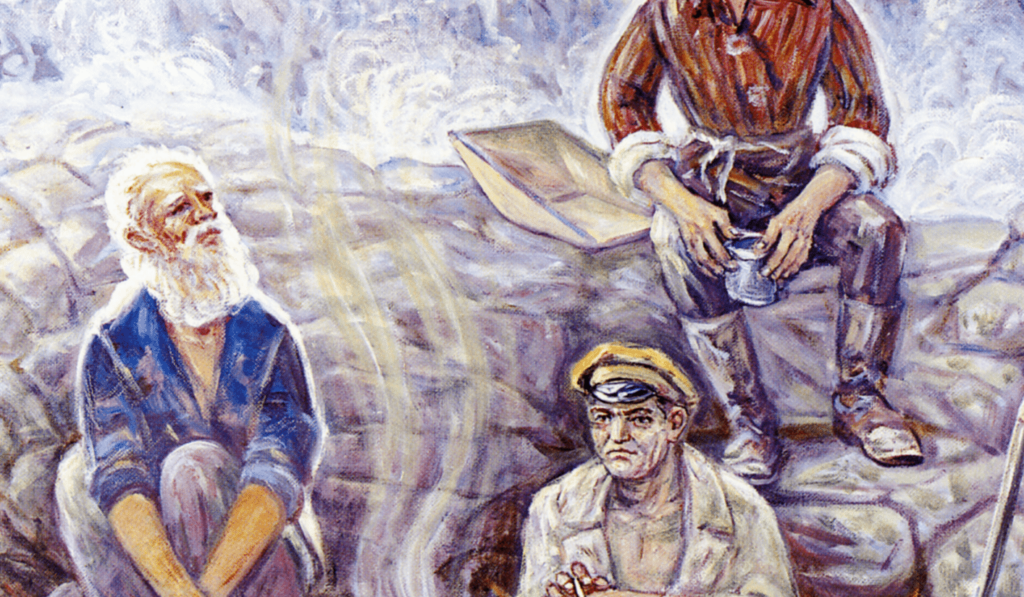
On The Gulag Archipelago at fifty.
On the town’s history & architecture.
 The New Criterion – The April 2024 issue features:
 The New Criterion – The March 2024 issue features: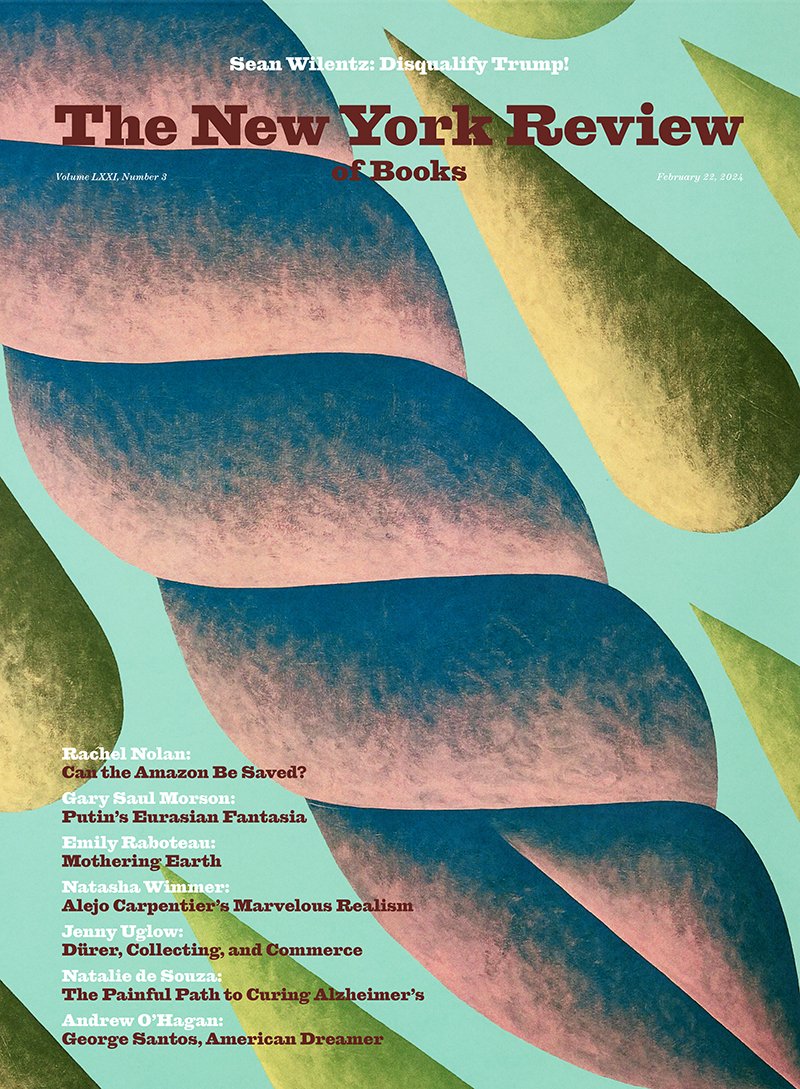
The Supreme Court must decide if it will honor the original meaning of the Fourteenth Amendment and bar Donald Trump from holding public office or trash the constitutional defense of democracy against insurrections.
In Dürer’s Lost Masterpiece, Ulinka Rublack traces the global connections of the merchants who were the creative agents of the European art market in the sixteenth and early seventeenth centuries.
Dürer’s Lost Masterpiece: Art and Society at the Dawn of a Global World by Ulinka Rublack
In 2017, the Brazilian journalist Eliane Brum moved from São Paulo to a small city in the Amazon. Her new book vividly uncovers how the rainforest is illegally seized and destroyed.
Banzeiro Òkòtó: The Amazon as the Center of the World by Eliane Brum, translated from the Portuguese by Diane Whitty
 Boomers Daily