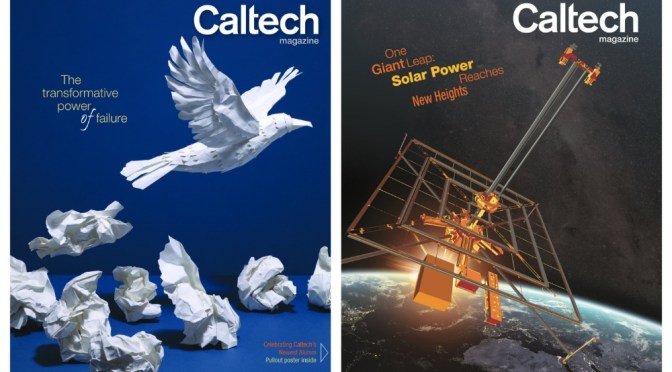
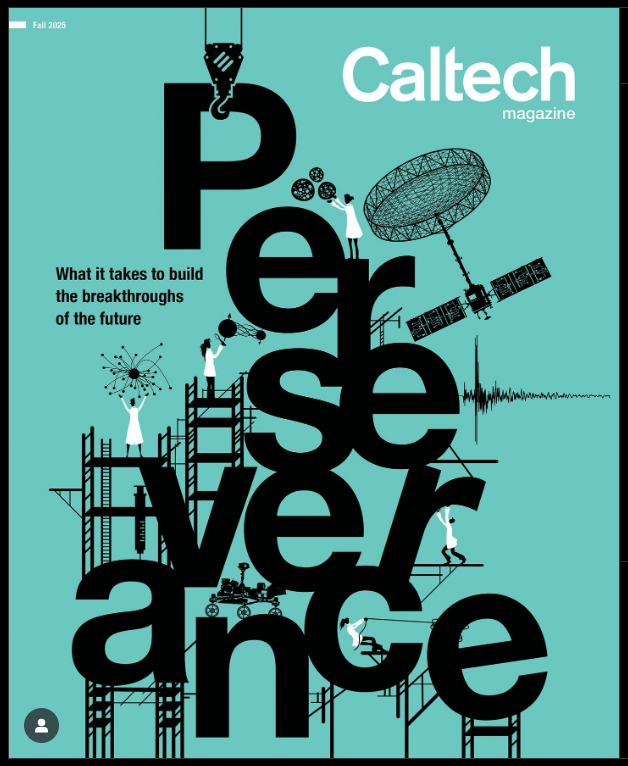

Where Perseverance Meets Discovery
On the power of cathedral-building in science.
The Ice at the Far Ends of Earth
Researchers know the planet’s ice is melting; now, they are uncovering what that will mean for all of us.

On the power of cathedral-building in science.
Researchers know the planet’s ice is melting; now, they are uncovering what that will mean for all of us.


 Inside Clear’s ambitions to manage your identity beyond the airport Inside Clear’s ambitions to manage your identity beyond the airportThe company that has helped millions of people cut security lines wants to give you a frictionless future—in exchange for your face. Read more →  Google DeepMind has a new way to look inside an AI’s “mind” Google DeepMind has a new way to look inside an AI’s “mind”Autoencoders are letting us peer into the black box of artificial intelligence. They could help us create AI that is better understood, and more easily controlled. Read more →  How this grassroots effort could make AI voices more diverse How this grassroots effort could make AI voices more diverseA massive volunteer-led effort to collect training data in more languages, from people of more ages and genders, could help make the next generation of voice AI more inclusive and less exploitative. Read more →  Who’s to blame for climate change? It’s surprisingly complicated.The world’s biggest polluters, by the numbers. Who’s to blame for climate change? It’s surprisingly complicated.The world’s biggest polluters, by the numbers.Read more →  The rise of Bluesky, and the splintering of social The rise of Bluesky, and the splintering of socialYou may have read that it was a big week for Bluesky. If you’re not familiar, Bluesky is, essentially, a Twitter clone that publishes short-form status updates. Read more → |

The tools Glaze and Nightshade are giving artists hope that they can fight back against AI that hoovers internet data to train. Are they enough?
A new system could help train robots entirely in generated worlds.
Rapid advances in applying artificial intelligence to simulations in physics and chemistry have some people questioning whether we will even need quantum computers at all.
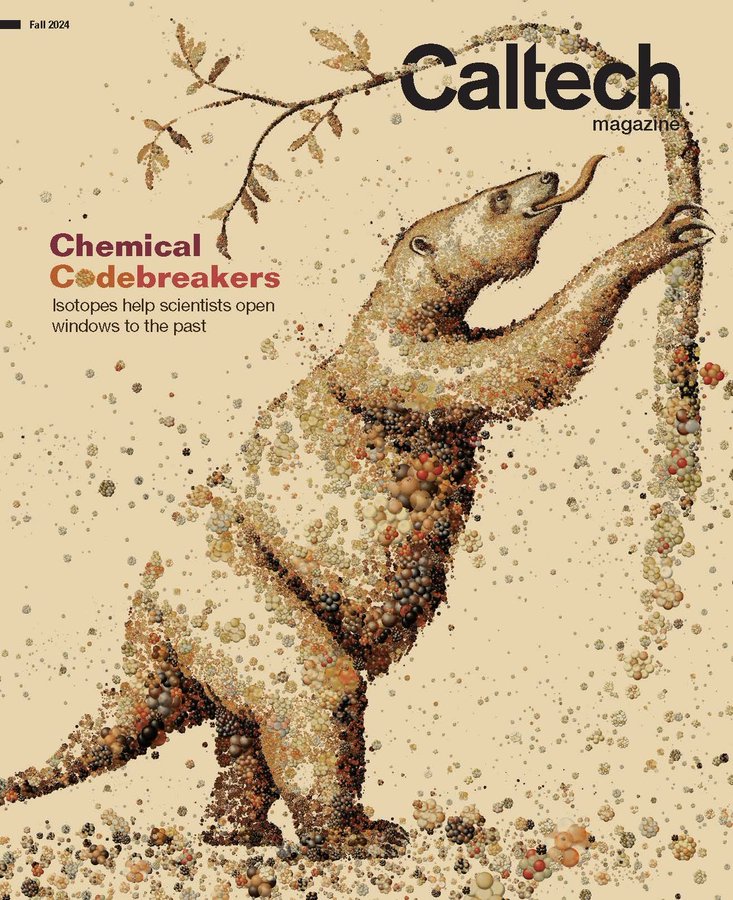
Caltech Magazine (November 8, 2024): The FAll 2024 issue features ‘Chemical Codebreakers’ – Isotopes help scientists open window to the past….
Journeys to the Past: Isotope geochemistry is helping scientists reveal secrets about the molecular histories of Earth, the cosmos, the human body, and more.
An Intriguing Red Planet Rock: The Mars Perseverance rover has found a “compelling” rock that could indicate the planet hosted microbial life billions of years ago.
The 2024 Distinguished Alumni: Meet this year’s awardees: David Brin (BS ’73), Louise Chow (PhD ’73), Bill Coughran (BS, MS ’75), and Timothy M. Swager (PhD ’88).
The Evolution of Trolling: A new theoretical framework explains why social media discourse can be so toxic.
Inside Look: Joe Parker: Step into the office of this evolutionary biologist, whose research nest is filled with real—and illustrated— insects.
Ripples from the Heart: Mory Gharib (PhD ’83) has leveraged his aerospace expertise to tease out some of the heart’s greatest secrets and use them to develop life-saving medical devices.
The Lab in the Sky Says Goodbye: A NASA DC-8 airplane that carried Caltech students around the globe for science has been retired.


If we’re going to live on Mars we’ll need a way to grow food in its arid dirt. Researchers think they know a way.

A new crop of biotech startups are working on an alternative to alternative protein.

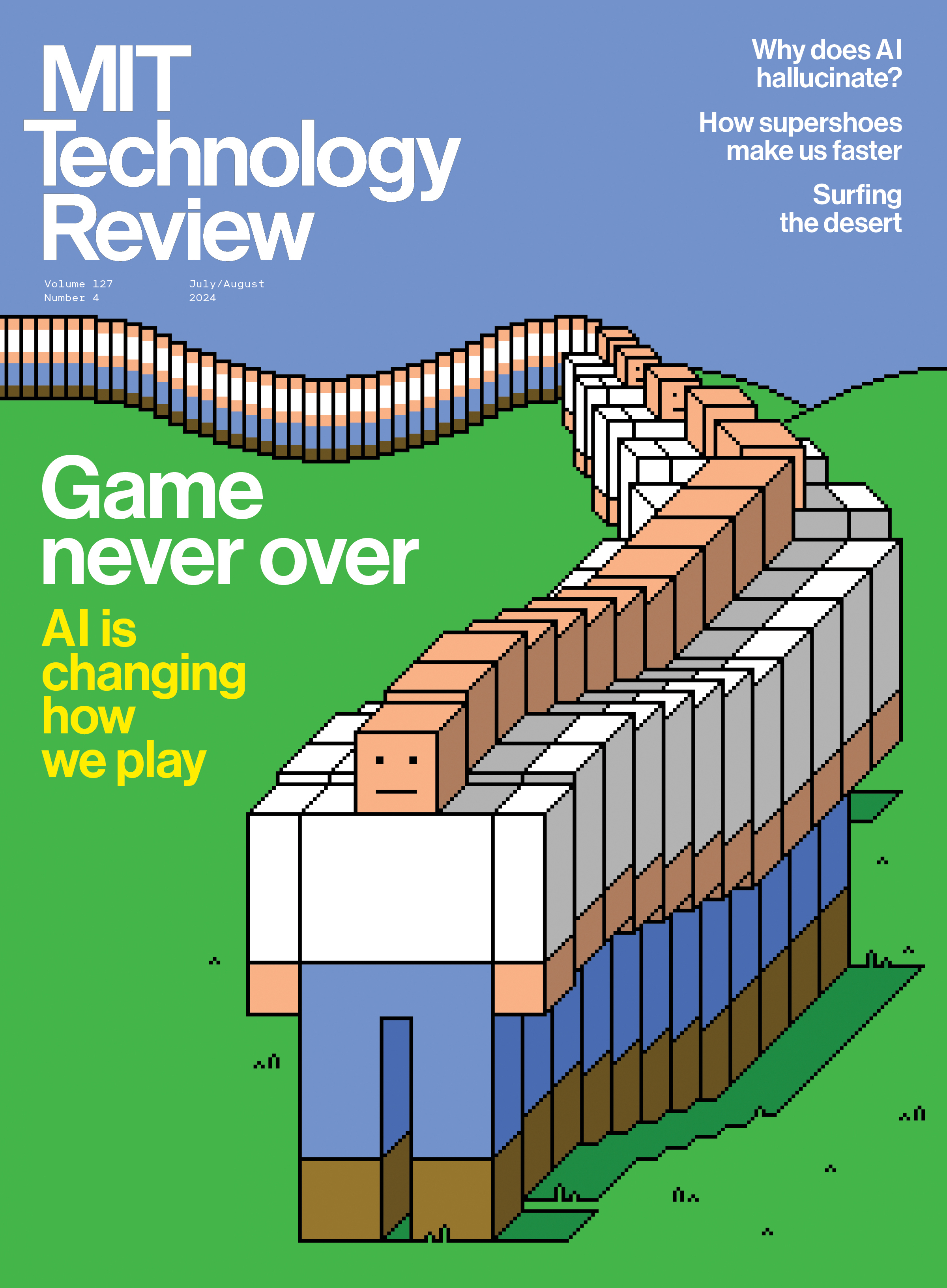
Gamification was always just behaviorism dressed up in pixels and point systems. Why did we fall for it?
Kenyan runners, like many others, are grappling with the impact of expensive, high-performance shoes.
AI-powered NPCs that don’t need a script could make games—and other worlds—deeply immersive.
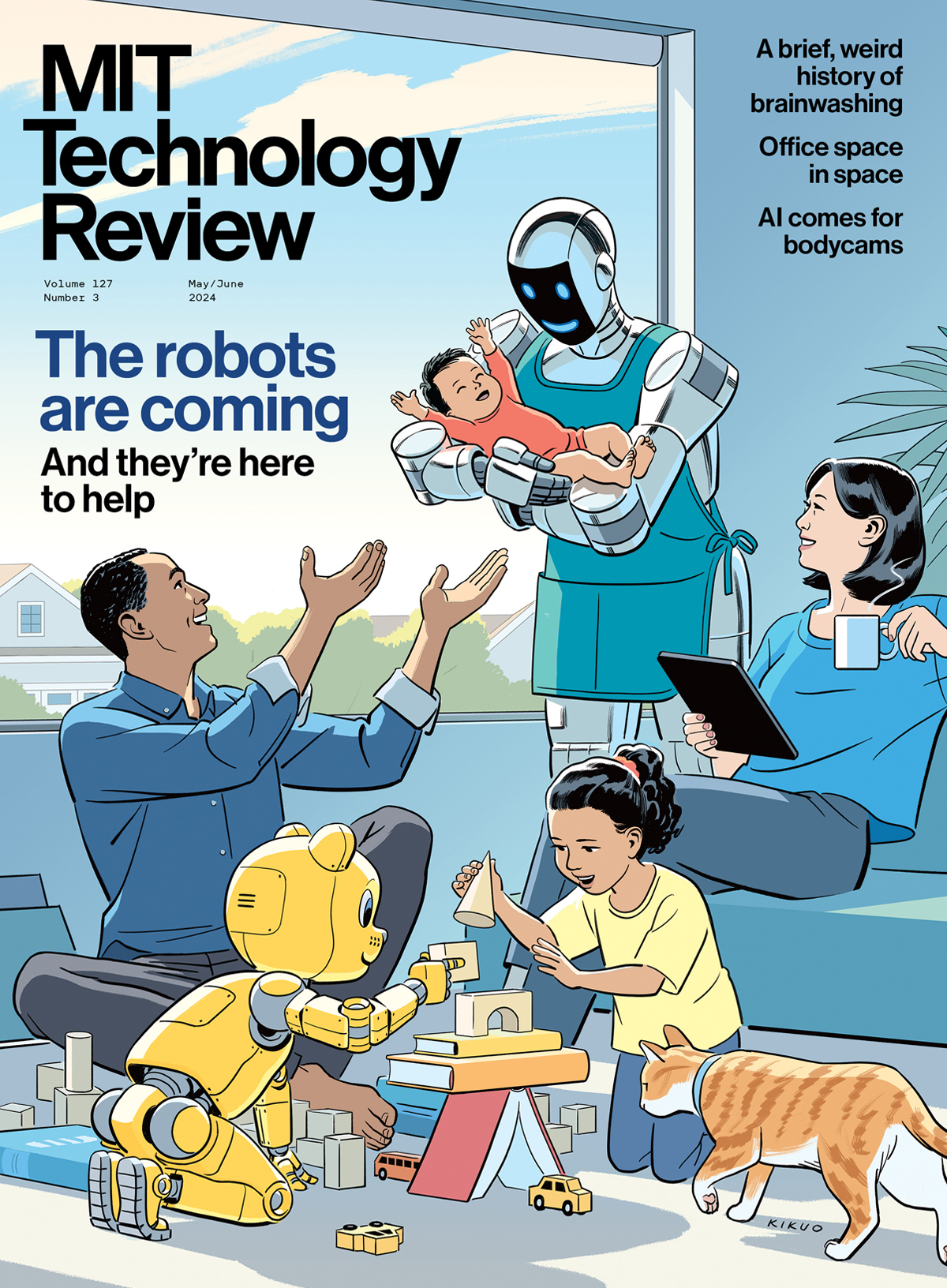
Who says we can’t still build things? In this issue: a look at the robots we’ve always wanted; a new model for space exploration; and efforts to flood-proof Louisiana’s coastline. Plus a wild, weird history of brainwashing; designing cheese with AI; and glow-in-the dark petunias.
Researchers are using generative AI and other techniques to teach robots new skills—including tasks they could perform in homes.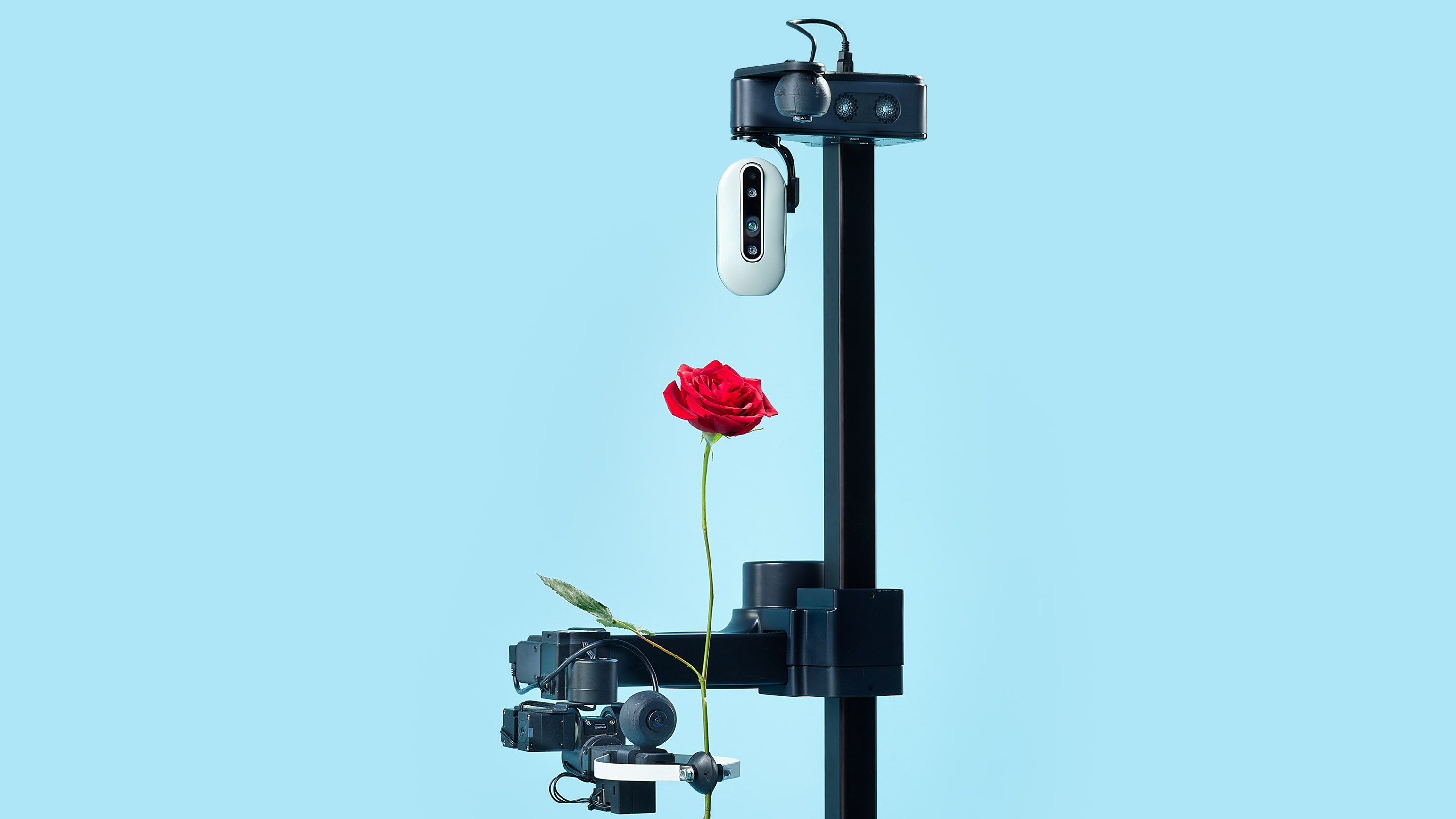
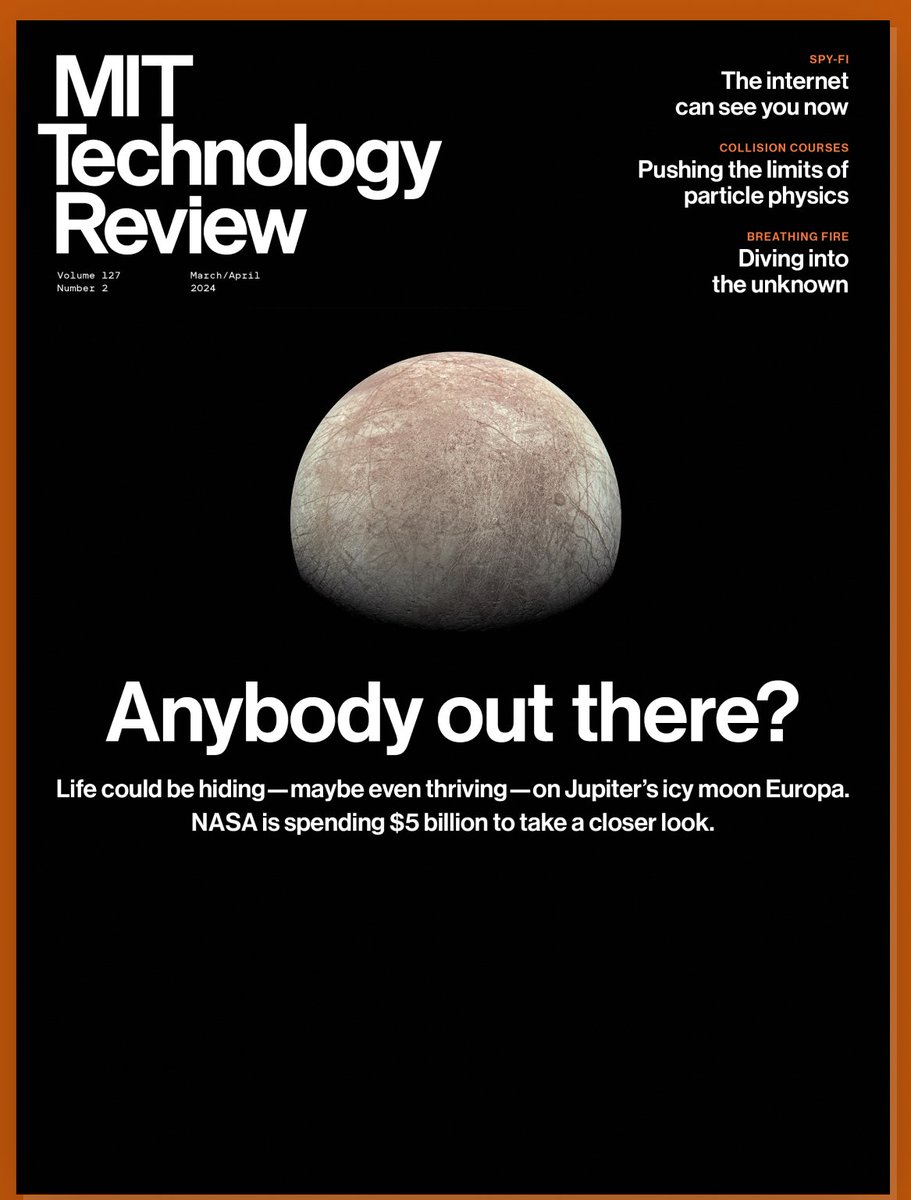
NASA’s Europa Clipper mission will travel to one of Jupiter’s largest moons to look for evidence of conditions that could support life.
The Large Hadron Collider hasn’t seen any new particles since the discovery of the Higgs boson in 2012. Here’s what researchers are trying to do about it.
Figuring out how the human body can withstand underwater pressure has been a problem for over a century, but a ragtag band of divers is experimenting with hydrogen to find out.

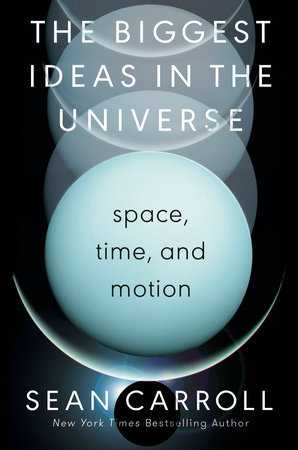
Dutton Books, 20 September 2022
The goal of The Biggest Ideas in the Universe is to bridge the gap between popular-science treatments of modern physics and true expert knowledge. This is the real stuff — equations and all — presented in a way that presumes no prior knowledge other than high-school algebra. Readers will come up to speed about exactly what professional physicists are talking about, with an emphasis on established knowledge rather than speculation.
Volume One, Space, Time, and Motion, covers the domain of classical physics, from Newton to Einstein. We get introduced to Spherical Cow Philosophy, in which complications are stripped away to reveal the essence of a system, and the Laplacian Paradigm, in which the laws of physics take us from initial conditions into the future by marching through time. We learn the basic ideas of calculus, where we can calculate rates of change and how much of a quantity has accumulated. We think about the nature of space and time, separately and together. Finally we are introduced to the mysteries of non-Riemannian geometry and Einstein’s theory of curved spacetime, culminating into a dive into black holes.
 Boomers Daily