

This Morning With Gordon Deal reports: Hurricane Sally weakens to tropical storm, smoke from West Coast fires spurs health advisories, and how parents and students can navigate the technical challenges of online learning.

This Morning With Gordon Deal reports: Hurricane Sally weakens to tropical storm, smoke from West Coast fires spurs health advisories, and how parents and students can navigate the technical challenges of online learning.

A selection of three essential articles read aloud from the latest issue of The Economist. This week, is the office finished? Land reform in poor countries (09:55), and Mexico’s unsellable presidential jet (18:10).
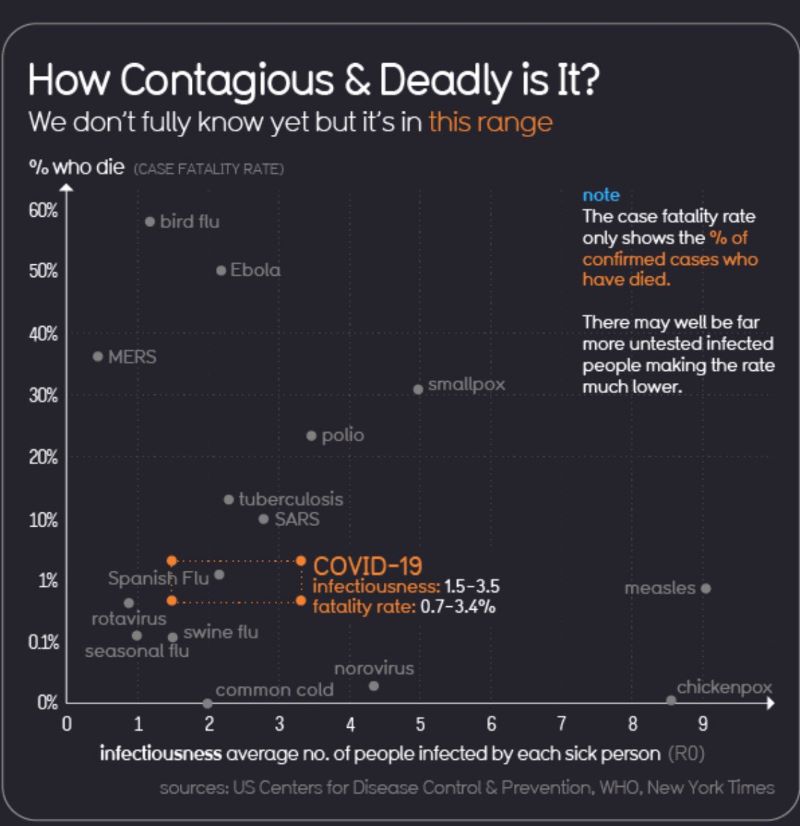


Extreme heat and 50 mile per hour wind gusts are fueling major fires across 11 Western States. Two towns in Oregon are completely burned down. Also, the president told famous Watergate journalist Bob Woodward in early February that he believed coronavirus was “deadly” despite offering reassuring public statements.
And, a whistleblower at the Department of Homeland Security says he was ordered to alter intelligence reports on white supremacists, Russia and China, all to please the president.

On Tuesday’s episode of “Axios on HBO,” Mike Allen questioned Mark Zuckerberg about Facebook’s content moderation policies before the November election – and what they’re doing to stop the spread of misinformation.
Guests: Axios’ Mike Allen, Hans Nichols and Erica Pandey.

Wildfires rage in California, stoked by extreme heat, President Trump and Joe Biden go on the offensive, and renegotiating your bills.
Health experts are warning that with Labor Day celebrations in full swing, the US could see another COVID-19 spike. Also, rescue operations continue after a record heat wave in California intensifies wildfires trapping campers in the Sierra National Forest this weekend. And, Beirut’s search for survivors ends as the country continues to recover one month after a massive blast tore through the city.
A selection of three essential articles read aloud from the latest issue of The Economist. This week, America’s ugly election: How bad could it get? How Abe Shinzo changed Japan (8:35) and why Britons walk their dogs so much (16:00).

NPR News Now: Portland shooting, New York protests, Bangladesh explosion and more top news.
Joe Biden is visiting Kenosha, Wisconsin today, the city where Jacob Blake was shot by police last week. And where two people died after the black lives matter protests turned violent. His visit comes a few days after Trump’s own visit on Monday.
Axios talked to 10 swing voters in Wisconsin about their feelings on the protests in their state and the upcoming election.
Guests: Axios’ Alexi McCammond, Sam Baker, and Miriam Kramer.


 Boomers Daily