


The future is disabled

We need to take steps toward a more inclusive future—one that we all can inhabit.
“Technology,” wrote the late historian of technology Melvin Kranzberg Jr., “is neither good nor bad, nor is it neutral.” It’s an observation that often doesn’t stick with people as they think about technologies related to accessibility.
The iPad was meant to revolutionize accessibility. What happened?
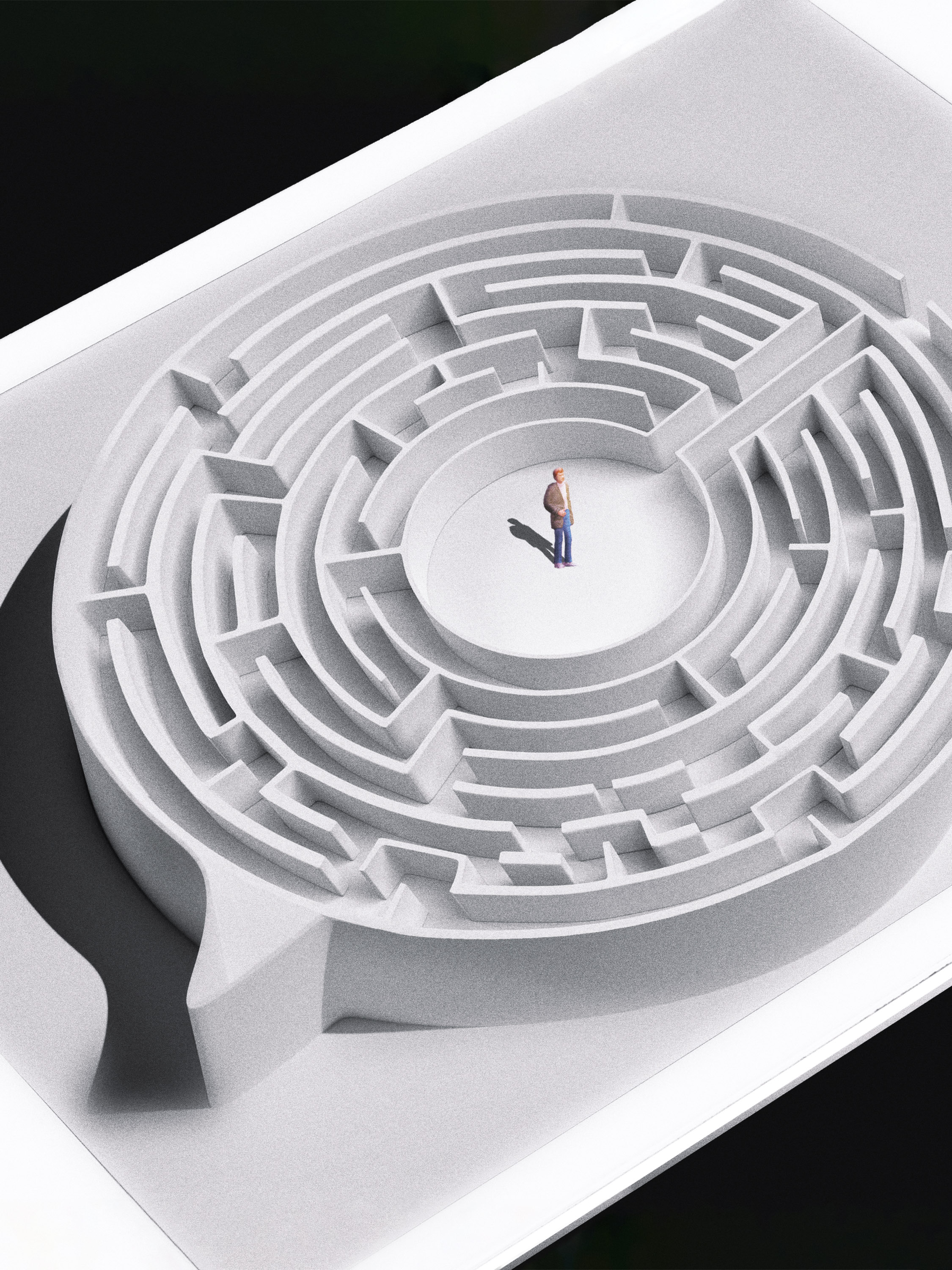
For people who can’t speak, there has been depressingly little innovation in technology that helps them communicate.
A piece of hardware, however impressively designed and engineered, is only as valuable as what a person can do with it. After the iPad’s release, the flood of new, easy-to-use AAC apps that LoStracco, Shevchenko, and their clients wanted never came.






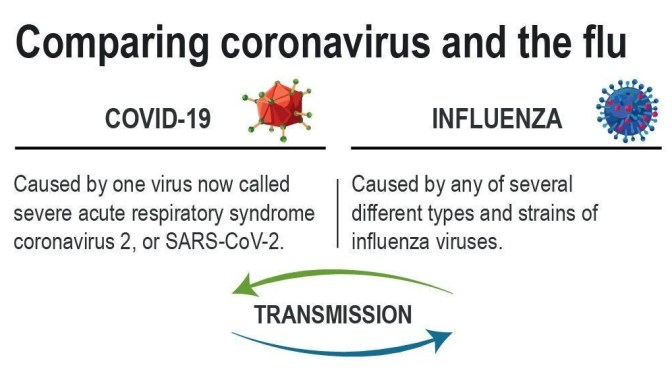
 Coronavirus appears to spread more slowly than the flu. This is probably the biggest difference between the two. The flu has a shorter incubation period (the time it takes for an infected person to show symptoms) and a shorter serial interval (or the time between successive cases). Coronavirus’s serial interval is around five to six days, while flu’s gap between cases is more like three days, the WHO says. So flu still spreads more quickly.
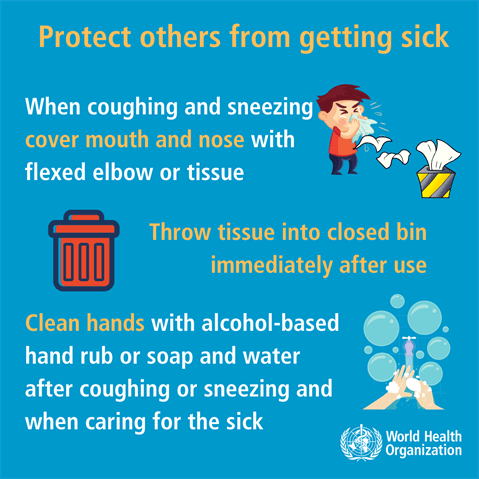 Don’t blame snotty kids—adults are passing coronavirus around.
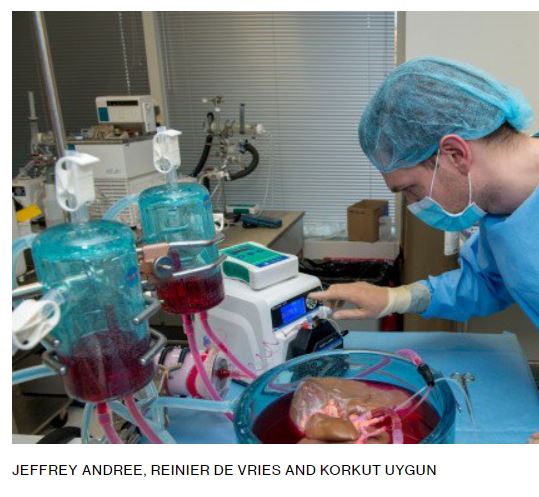 Researchers say they’ve successfully plunged human livers to subzero temperatures and then warmed them back up.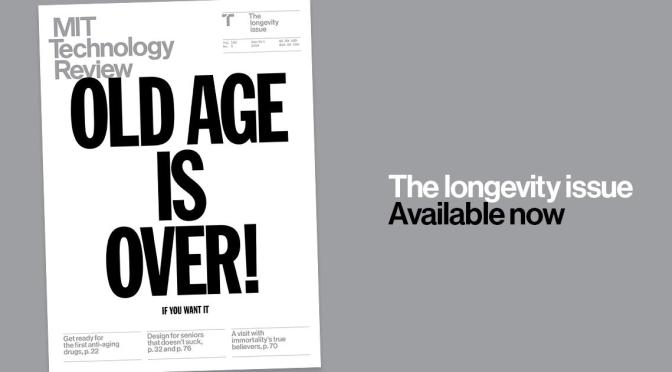
 It’s a familiar tune to engineer Ken Smith, director of the mobility division of the Stanford Center on Longevity. He says one of the biggest mistakes designers make is to assume that around the age of 60 people lose interest in aesthetics and design. This can have dire consequences for products meant to help people with their health. No one wants to stick a golf-ball-size hearing aid the color of chewed gum in their ear, any more than they want to wear a T-shirt that reads “SENIOR CITIZEN.”
 Boomers Daily