Tag Archives: Melbourne

Architectural Tours: Off-Grid ‘Limestone House’ In Melbourne, Australia

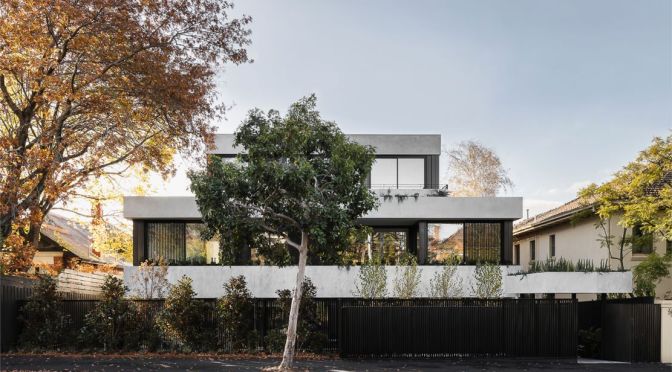
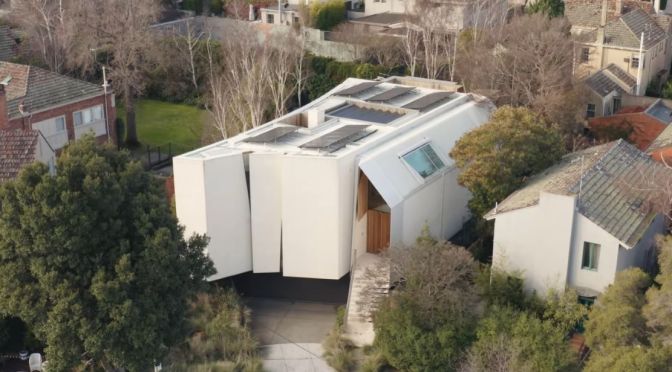
The Local Project – Crafted by John Wardle Architects, this sustainable off-grid house is best explored by means of a house tour. Combining seamless interior design and architecture with a minimal environmental impact, Limestone House forms a cohesive celebration of functionality.

Video timeline: 00:00 – Introduction to the Sustainable Off-Grid House 00:41 – The Location and The Vacant Lot 01:22 – Architects Declare 01:39 – The Living Building Challenge 02:06 – Passive House Standards 02:40 – The Shading Systems 03:04 – What’s Behind the Walls 03:19 – The Energy Supply 03:35 – Requirements of the Living Building Challenge 03:50 – The Two Main Materials Used 04:12 – An Interesting History Behind the Timber 04:42 – The Handmade Aspects 05:01 – Floating on a Sea of Native Grasses

Located in the Melbourne suburb of Toorak, Limestone House rests on the Wurundjeri Land of the Kulin Nation. Initially vacant, the project site excited the clients with the possibility of building a sustainable off-grid house. Paying homage to the environmental agenda, the landscape design of Limestone House sees the building float above a sea of native grass. Guiding the design of Limestone House is the Living Building Challenge and Passivehaus, two rigorous standards of sustainability.

In order to satisfy the standards, John Wardle Architects ensures that the home operates as a sustainable off-grid house, harvesting its own water and disposing of all of its waste water. Externally, a set of edible plantings on the terrace meets the requirement for food production on site. The Passivehaus standard sees a tightly-sealed, sustainable off-grid house emerge. While a passive ventilation system consistently delivers fresh air into the home at a slow speed, an airtight barrier seals heat into the dwelling, maximising energy efficiency.

Similarly, high-performance insulation is applied to the walls, roof and floor and the home features triple-glazed windows. Shading systems take the form of motorised venetian blinds to the northeast and west, as well as operable timber louvres at roof level over the courtyard. Internally, the material palette of Limestone House consists primarily of stone and timber. Concrete benchtops and Queensland siltstone complement the calming tonal character of the scheme alongside hydrowood oak. Many of the trees used for the oak come from a valley that was flooded during a 1940s hydroproject – now the timber comprises a bespoke dining room table.

A sustainable off-grid house, Limestone House produces its own energy and a surplus of five per cent that is exported to the grid. While meeting the design brief, John Wardle Architects ensures that the residence forms a unique embracement of natural serenity, in distinction from other sustainable dwellings of the past.

Design: Northside House In Clifton Hill, Australia

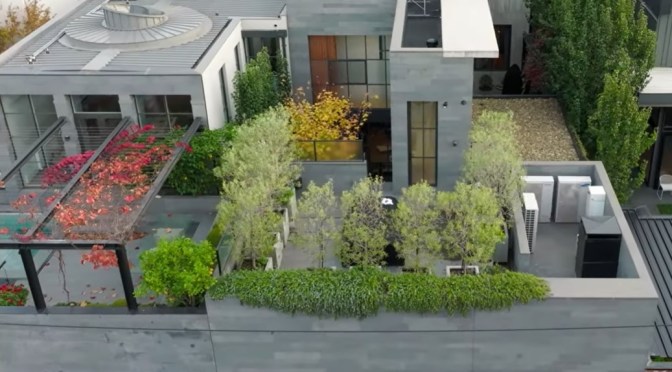
The Local Project – Through warm and inviting additions, Northside House becomes a dream house for the clients of Wellard Architects. In partnership with Artedomus, Wellard Architects have carefully considered the owners’ personalities with the selection of colours, tones and materials.

Video timeline: 00:00 – Introduction to Dream House 00:39 – An Alterations and Additions Project 00:51 – The History Behind Northside House 01:10 – Layout of the Dream House 02:01 – The Overarching Theme of Compression and Release 02:50 – Joining Forces with Artedomus 03:17 – The Main Materials Utilised Throughout The Home 05:02 – Artedomus’ Involvement 05:37 – The Architect’s and Artedomus’ Favourite Aspects 06:13 – Proud Moments from the Architect’s

Located on a corner site of Clifton Hill, Northside House is an existing heritage home that once housed an Italian plasterer and showrooms. However, with carefully considered alterations and additions, the dream house becomes a space for private family dwelling that also opens to the surrounding community. From the front of the Federation-era home, the house tour leads guests past the principal bedrooms and bathrooms of the original home.

Wellard Architect’s alterations and additions become evident with the double-height hallway that marks the transition between the old and new. Located upstairs is a lounge and study, which offer a warm and light-filled retreat where one can find some privacy in a busy household. On the ground floor, the living and dining spaces have been subtly zoned so no space feels too cavernous. From the blonde timber walls and ceiling to the terrazzo flooring, the dream house encompasses a natural form of living.

Desiring a cosy interior, the clients and Wellard Architects worked closely in the selection of decor, furniture, finishes and fixtures for the interior space. During these project development stages, Artedomus was approached for its robust materials that would fit the brief of a busy family’s dream house. In the ensuite bathroom, porcelain tiles from Portugal infuse warm tones, while the vanity and basins use Travertine Zena and INAX tiles to establish calmness throughout.

Additionally, the main bathroom uses Verde Bardini granite and Fiandre Maximum porcelain tiles which meld with the selected Agape Vieques steel bath that sits sculpturally in the centre of the bathroom. Flowing throughout the rest of the dream house, Artedomus products can also be appreciated in the generously-sized kitchen, where Nerofino Brushed Quartz has been employed for the splashback.

Alongside the creation of a cosy atmosphere, the kitchen further instils the clients desire to have a home that can be used for entertaining – with space for intimate family cooking or a gathering of friends and neighbours. Opening up to the back garden courtyard, the orange-bricked façade of the garage seamlessly balances the terracotta shingles of the dream home and merges the heritage home with the modern additions.

Design: St. Vincent Place In Albert Park, Australia

The Local Project – Following three years of curation, St Vincent’s Place emerges as an award winning home, peppered with art and designed to promote conversation. Crafted by B.E Architecture, the restoration project employs expressive pieces with consistency, enabling the building to be navigated with ease.

Video timeline: 00:00 – Introduction to the Award Winning Home 00:21 – A Restoration Project 3 Years in The Making 00:58 – Building Aspects From the Ground Up 01:31 – Compatibility Within the Home 01:46 – A Walkthrough of the Historic Section of the Home 02:03 – The Modern Section of the Home 02:18 – Reinterpretations of the Historic Aspects 02:46 – Encouraging Conversation Through Building and Design 03:36 – A Range of Surprising Features 04:45 – Peaceful Curation and Arrangement 05:09 – A Journey With the Client

Originally owned by a convent, St Vincent’s Place is comprised of three buildings set side-by-side, situated in the Melbourne precinct of Albert Park. The heritage façade – the only historical element that could be retained in the award winning home – represents a significant contribution to the architecture of the area, presenting a combination of stone and delicate black metalwork. Traversing two design styles in a singular project, B.E Architecture dedicates the front of the home to heritage recreation whilst providing a modern extension.

The front of the award winning home captures a formal entrance and living room and upstairs, a master bedroom and dressing room. A studious approach to restorative design is reflected in the treatment of cornices, skirtings and architraves, as well as doorjambs, doors and flooring. In contrast, the back of the building captures a contemporary interior design including a downstairs pool, onsen and steam room, elevated with tiling and considered lighting.

Several features of St Vincent’s Place indicate the designer’s penchant for aesthetic flair. Inspired by pioneering artist Sigmar Polke, sliced agate doors filter natural light with an array of neutral tones. In addition, a large text piece reading ‘Heaven is a Place Where Nothing Ever Happens’ sparks curiosity from its reference, size and impressive incorporation into the award winning home.

“You do feel the magic of how these elements come together here,” says Broderick Ely, Design Director at B.E Architecture. “We curate, we arrange and manipulate these items so it sits very quietly.” Using the even application of decorative elements, B.E Architecture establishes a coherent and award winning home. St Vincent’s Place is structured to gently guide occupants towards its many hidden gems, enabling the mind to wander in unison with the body.

Design: ‘Sunrise House’ In Melbourne, Australia

Designing an architect’s own home and office space, Jolson architecture and interior design studio combines two distinct spaces that remain inherently separate. With a fascination of blurring lines between architecture, interior design and landscape design, Sunrise House becomes an exploration of how each discipline crafts a sense of space within.

Video timeline: 00:00 – Masterworks Advertisement 00:11 – Introduction to Sunrise House 00:42 – The Original 1950s Confectionary Factory 01:01 – Combining A Family Home and A Commercial Office Space 01:17 – Placing An Emphasis on Natural Light and Garden Space 01:27 – A Sanctuary with Sculptural Elements 02:19 – A Connection Between Outside and Inside 02:52 – Moving Vertically Through The House 03:32 – Connection to History Through The Gym and Courtyard Space 04:14 – Living With Colour, Texture and Memories 04:55 – A Reaction to The Original Facade 05:25 – Masterworks Advertisement

Sitting on the edge of an industrial commercial zone, Sunrise House by Jolson architecture and interior design studio was once a 1950s sweet factory before becoming an architect’s own home. Greenery covers the building’s façade, offering a dynamic sense of style not often seen within Melbourne’s cityscape. Yet inside, the connection from inside to out is made through an open floor plan that allows for the family to easily transition between living areas.

From the entrance, the office and ground level of the house honours the original build by keeping the concrete, paring it back to expose the aggregate. Although, in spaces where new concrete was poured, Jolson celebrates the new markings with memories of his own family, establishing the structure as an architect’s own home as well as a workplace. Retaining as much of the honesty and texture of the original building was key to bringing forth vibrancy.

The main design idea in the open living space was to insert three walls. Black joinery adorns one wall containing a concealed kitchen, another a large artwork that celebrates the history of the building and a third wall containing a luxurious fireplace. Through optimising the entirety of the volume within, Sunshine House becomes more than an architect’s own home, it becomes an art form. Jolson balances life, texture and colour – further complementing the minimal design aspects of an architect’s own home.

Architect’s Tour: Toorak Residence In Melbourne

Approached with experience and discernment, Toorak Residence is an architectural dwelling with a considered interiority. Designed by Architecton, the luxury home embraces its context, enabling seamless transitions between indoor and outdoor space.

Video Timeline: 00:00 – The Local Project Print Publication 00:15 – Introduction to Architectural Toorak Residence 01:02 – The Levels and Layers of the Home 01:46 – Blurring the Lines Between Living and Landscape 02:30 – The Material Palette of the Architectural Home 03:15 – A Sculptural Champagne Cork 03:28 – Lighting Considerations 04:08 – A Range of Versatile Living Areas 04:44 – Ageing Like a Fine Champagne 05:13 – Subscribe to The Local Project Print Publication

Located in the affluent suburb of Toorak in close proximity to the Melbourne CBD, Toorak Residence is strong element in the impressive architectural environment. Marked externally by a bold sculpture, the home sits at over 1000 square metres and features three spacious levels. Arriving at Toorak Residence, the process of entry is elongated by carefully layered experiential details. Beyond the front gate lies an informal garden space – a tactile composition of pleasant greenery – which effortlessly navigates residents towards the main entrance. Stepping inside the architectural home, the material palette is intentionally restrained. Architecton champions concrete, natural stone, timber and glass as the ideal canvases for light and bases for architectural detail. Flowing out towards the landscape whilst internally welcoming sunlight, Toorak Residence does justice to the rigour of Artchitecton. A house tour reveals the architectural residence to be a peaceful dwelling, encouraging intuitive patterns of movement for superior living.

Australian Architecture: ‘Fitzroy Bridge House’

A modern house, Fitzroy Bridge House is a work of collaboration led by Matt Gibson Architecture + Design. Featuring a glass bridge – from which the project receives its name – the home emerges as a considered and personal dwelling that celebrates its older architectural elements.

Video timeline: 00:00 – The Local Project’s Print Publication 00:20 – The Name Behind Fitzroy Bridge House 00:57 – South Fitzroy Heritage Precinct 01:36 – Moving Through the Home 01:53 – Dissolution of Interior and Exterior 02:16 – The Bridge 02:40 – The Rear Retreat 03:14 – Involvement of the Clients and Their Non-Negotiables 03:57 – Key Sustainable Moves 04:51 – The Cellar

Located in the southern Fitzroy heritage precinct, Fitzroy Bridge House sits an enviable two kilometres from the Melbourne CBD. The residence occupies a long, thin site and is comprised of distinct pavilions, encapsulating both the pre-existing architecture and the work of the modern house.

As Fitzroy Bridge House is situated in a heritage overlay, the exterior of the home could not be altered in relation to the front two rooms. Entering the home, residents move through the Victorian-style environments before reaching the rear architecture of the modern house that features a refined internal courtyard settled into the dining room interior design.

Connecting two pavilions, the glass bridge forms the focal point of the modern house. The bold feature provides a view down to the manicured garden in the Japanese-inspired courtyard – a fine work of landscape architecture requested by the client and executed by Robyn Barlow. A product of collaboration, Fitzroy Bridge House is closely connected to the client. Warm, inviting and personal, the modern house expresses its own built narrative, enabling the client to retell the story of its creation for years to come.

Home Renovations: May House, Malvern, Australia

When an architect designs a house with consideration and care, dwellings such as May House emerge. Taking a playful approach to colour and materiality, Neil Architecture reimagines a 1980s home as a relaxed, modern family residence.

Video timeline: 00:00 – The Local Project’s Print Publication 00:10 – Introduction to the House 00:45 – Complementary Design 01:01 – Exterior Renovations 02:03 – 1980s Materiality 03:12 – Landscape Architecture 04:09 – A House Made for Entertaining 04:42 – Timeliness Rejuvenation 05:17 – Subscribe to The Local Project’s Print Publication

When an architect designs a house, the design brief can often stipulate a complete renovation. However, Neil Architecture recognised the value of the original 1980s construction – settled into the leafy suburb of Malvern – and decided instead to complement the home with architectural additions.

To maintain the strong and simple form of the original structure, Neil Architecture covers the pre-existing truss with a perforated screen. Off-form concrete is used to create the carport, whilst a roughcast concrete render is applied to the fence – in doing so, the architect designs a house that interacts with the local built environment. As an architect designs a house, the intent can be expressed through the finer details of the scheme.

In May House, rusty red and green tones appear in the material palette, paying homage to the colours present in 1980s interior design. May House sees a 1980s residence both celebrated and reimagined, embraced and rejuvenated. Managing the external architecture and interior detail, the architect designs a house that is imbued with a sense of warmth and continuity; a house for the future that is inspired by the past.

Architecture: The Gallery House, Toorak, Australia

The exact sum of its parts, The Gallery House features spaces both grand and small, each expressing their own narrative. Crafted by Workroom, the super house stands as an exemplary piece of interior design and architecture. Situated in the well-established suburb of Toorak,

00:00 – The Local Project Print Publication 00:10 – Introduction to the Super House 01:27 – Creating Continuity with Materials 02:30 – Use of Stone in the House 02:47 – Landscape Design 03:21 – Natural Light 03:50 – A Sense of Timelessness 04:27 – What the Architect is Most Proud Of

The Gallery House sits amongst other large family homes and gardens. Despite its spatial openness, the super house is designed in allusion to experiences yet to come, flowing towards other aspects of itself and its context. A house tour of the property reveals the extent of its size. A true super house, the residence contains 4 bedrooms, 2 lounge rooms and vast, double-height voids. Workroom purposely conceals the size of the home from the street, creating anticipation and intrigue, using a curved concrete wall to the entry as a reveal of what is to come. The modern materials of concrete, terrazzo, timber and stone feature consistently in the super house. Subverting expectations, Workroom uses the characteristically heavy concrete to craft an elegant staircase that appears effortlessly lightweight, whilst timber and green stone facilitate an open connection to the lush landscaping. Embracing a raw materiality, Workroom creates a super house that will gracefully express the passage of time. With the capacity to visually evolve with age, The Gallery House is a successful interpretation of modern refinement.

Home Tour: Brighton East 4 In Melbourne, Australia

Complementing the Australian climate, Brighton East 4 is a mid-century inspired home crafted to meet the demands of a young family. Designed and built by Inform with architecture by Pleysier Perkins, the house takes inspiration from Palm Springs.

00:00 – Introduction to the Mid-Century Inspired Home 00:56 – The Client Brief 01:20 – Walking Through the Home 02:02 – Interior Design Style 02:43 – The Island Bench 03:04 – Colour Palette and Materiality 03:36 – Collaboration between the Client, Architect and Builder 04:06 – The Feel of the Home 04:41 – Successfully Meeting the Client Brief

Settled into the same-named Melbourne suburb, Brighton East 4 articulates quintessential Australian living. As a mid-century inspired home, the residence has an informal, open-plan layout and natural materiality, including the use of stone and timber.

Architecturally, Brighton East 4 curves, further evidencing its existence as a mid-century inspired home. Present in both the external and internal architecture, curves effortlessly unify the outdoor and indoor aspects of the home, creating fluidity and softness. Natural materials are a key feature of a mid-century inspired home and are incorporated throughout the project.

Behind the staircase sits a feature wall of stack-bond brickwork, whilst the bathroom sees terrazzo used generously. In the kitchen, the island bench sports an elegant stone top, with slatted timber battens at its base. Showcasing their proficiency in architecture and interiors, Inform and Pleysier Perkins craft a comfortable residence with a strong sense of spatial flow. As a mid-century inspired home, Brighton East 4 testifies to its Palm Springs influence through a natural and restrained materiality.

Australian Architecture: A Tour Of Courtyard House Near Melbourne

Working with its signature material base, FGR Architects creates Courtyard House – a concrete dream house with a functional and airy interior. Shielded from the street, the minimalistic home enables natural ventilation and a sunlit landscape.

Timeline: 00:00 – The Client Brief for the Home 00:46 – Surprising Entryway 01:09 – A Sense of Intimacy from the Street 01:31 – Entering the Home 02:34 – Concrete Features 03:20 – Other Materials Used in the Home 04:03 – The Architect’s Favourite Part of the Home

A low-profile building, Courtyard House represents a structural shift from the local built environment; an intriguing blur in the pattern of gable-roof constructions. Set back in its site, the dream house embraces its contextual standing, opening its grounds to the natural northern sunlight.

Upon approach, the architecture of the dream house outlines a sequence of 90 degree turns that leads residents from the footpath to the front gate, then to the main entry of the home. The journey serves to introduce the idea of connectivity, echoed within the interior design. The layout of Courtyard House intentionally fosters passive solar heating and natural ventilation. A sightline directly connects the entrance of the dream house to the backyard, whilst large sliding doors join the living-kitchen-dining area to the outdoor space. Though unique and compelling, Courtyard House is ultimately understated. Demonstrating skill in concrete and light play, FGR Architects creates a practical and elegant dream house that enables an immersive natural connection.