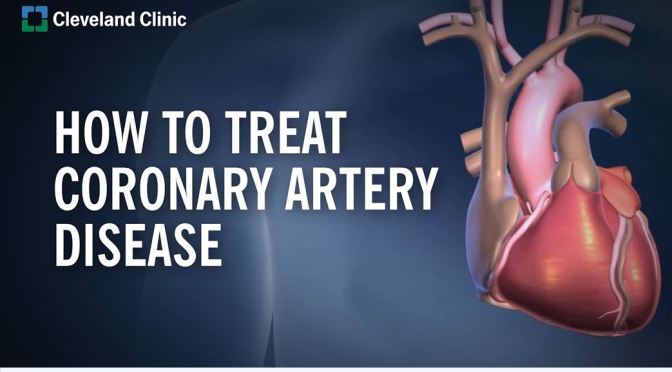
More than 360,000 people died from coronary artery disease in 2019. While there is no cure to the disease, you can take steps to lower your risk and manage the harmful plaque build-up impacting your health. The information in this video was accurate as of 11.25.2021 and is for information purposes only. Consult your local medical authority or your healthcare practitioner for advice.
Chapters: 0:00 Intro 0:12 What is coronary artery disease? 0:26 What are the signs of coronary artery disease? 0:41 Can you reverse coronary artery disease? 1:04 What are statins? 1:34 What are the treatments for coronary artery disease? 1:46 Make lifestyle changes to reduce your risk. 2:07 Taking medication can help treat coronary artery disease. 2:25 What is a coronary stent procedure? 3:03 What is coronary artery bypass graft surgery? 3:36 What’s the best treatment for coronary artery disease? 3:45 When should you talk to your doctor about coronary artery disease symptoms?
Vaccines are medicines that train the body to defend itself against future disease, and they have been saving human lives for hundreds of years. Vaccines are medicines that train the body to defend itself against future disease.
Nature reviews: Engineering yeast to produce medicines, immunity to Covid-19, and the mechanism of anaesthetic action.
In this episode:
00:44 Making medicine with yeast
The tropane alkaloids are an important class of medicine, but they are produced agriculturally leaving them vulnerable to extreme weather and world events. Now, researchers have engineered yeast to produce these important molecules. Research Article: Srinivasan and Smolke
19:07 The molecular mechanisms of general anaesthetics
Despite over a century of use, there’s a lot we don’t know about how anaesthetics function. This week, researchers have identified how some of them they bind to a specific neuronal receptor. Research Article: Kim et al.




 Boomers Daily