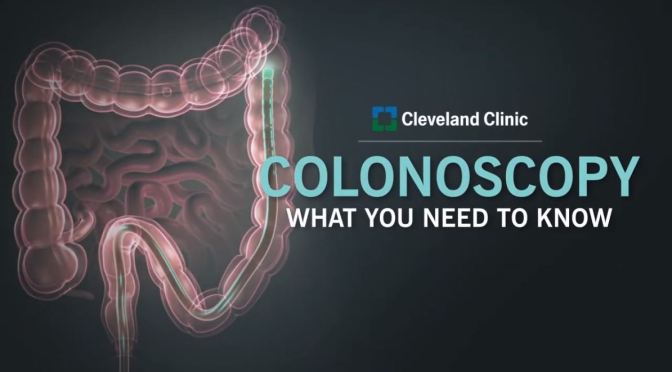
A colonoscopy is a test that lets your healthcare provider look inside your colon and rectum. Here is a brief overview of what you need to know for your colonoscopy.

A colonoscopy is a test that lets your healthcare provider look inside your colon and rectum. Here is a brief overview of what you need to know for your colonoscopy.
On the Mayo Clinic Radio program, Dr. Jonathan D’Cunha, a Mayo Clinic thoracic surgeon, explains when thoracic surgery might be needed.
The team at Mayo Clinic prefer to see patients screened for colorectal cancer before they show symptoms.
Global health officials have praised China and South Korea for the success of their efforts to contain the coronavirus. What are those countries getting right — and what can everyone else learn from them?
Guest: Donald G. McNeil Jr., a science and health reporter for The New York Times. For more information on today’s episode, visit nytimes.com/thedaily.
Background reading:
When is elbow pain an emergency? Can the elbow joint be replaced? What’s that weird feeling when you hit your funny bone? Orthopedic Surgeon, William Seitz Jr., MD, sits down to answer these questions and more.
On the Mayo Clinic Radio program, Dr. John Kisiel, a Mayo Clinic gastroenterologist, discusses colorectal cancer and the importance of recommended screening tests.
This interview originally aired March 7, 2020. Disclaimer: Mayo Clinic has a financial interest in Exact Sciences.
Among cancers that affect men and women, colorectal cancer is the second leading cause of cancer deaths in the U.S., according to the Centers for Disease Control and Prevention. Most cases of colorectal cancer begin as small, noncancerous (benign) clumps of cells called polyps. Over time, some polyps become colon cancer. Because these polyps may be small and produce few, if any, symptoms, health care providers recommend regular screening tests to prevent colon cancer. These screenings identify and remove polyps before they become cancerous. March is Colorectal Cancer Awareness month, a time to educate the public about the importance of colorectal cancer screening.
 What happens when you catch coronavirus? The Telegraph’s Global Health Security Editor Paul Nuki explains all the ways in which you could become infected with COVID-19 and how your body reacts to this virus.
When the virus enters your body it binds to two cells in the lungs – goblet cells that produce mucus and cilia cells which have hairs on them and normally prevent your lungs filling up with debris and fluid such as virus and bacteria and particles of dust and pollen.
The virus attacks these cells and starts to kill them – so your lungs begin to fill with fluid making it hard for you to breathe. This phase of the disease is thought to last about a week.
At this point your immune system will start to kick in and fight off the invaders. You will develop a fever and your high body temperature will create a hostile environment for the virus. You will start to get rid of the mucus in the form of coughing and a runny nose.
But in some people – particularly the elderly and those with other health conditions – the immune system can go into overdrive. As well as killing the virus it also starts to kill healthy cells.
This heightened immune response can trigger a “cytokine storm” – white blood cells activate a variety of chemicals that can leak into the lungs, which along with the attack on the cells damages them even further. Scans of the lungs show “ground-glass” opacity and then “crazy paving” patterns, as they fill with mucus making it harder and harder to breathe.
 Drug Pricing Theme Issue: Is Pharma Earning Too Much?, R&D Costs Required to Bring a New Drug to Market, Probiotic Safety, and more
One in 4 people in the US has difficulty paying the cost of their prescription medications. This stark fact was recently reported in a 2019 Kaiser Family Foundation public opinion poll among a nationally representative random sample of 1205 adults.1 Persons who reported having the greatest difficulty affording their prescription drugs were those who most needed them, including those who took 4 or more prescription drugs, spent $100 or more per month on their drugs, and reported being in fair or poor health.
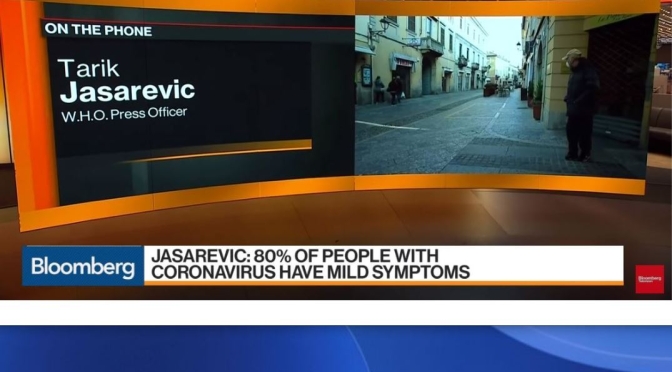
Mar.03 — World Health Organization spokesman Tarik Jasarevic speaks from Geneva about the latest advice for avoiding the coronavirus. He also comments on efforts to develop a vaccine and advice for public health workers. He speaks on “Bloomberg Markets: European Open.”
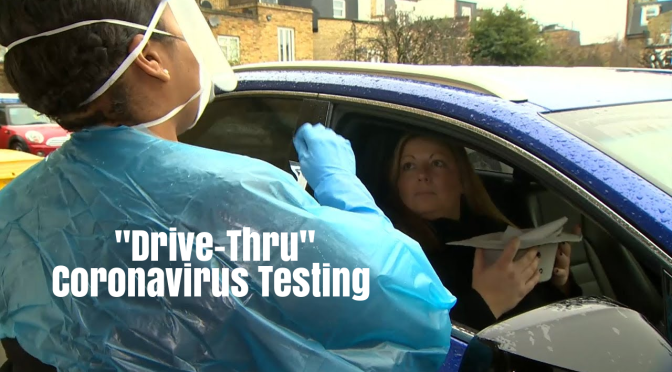
“Drive-thru” coronavirus testing is to be introduced on the NHS – with suspected cases swabbed in their own cars.
The new scheme is part of efforts to relieve pressure on ambulance and hospital services, amid concern they could soon be overwhelmed by the number of tests they are carrying out.




 Boomers Daily