
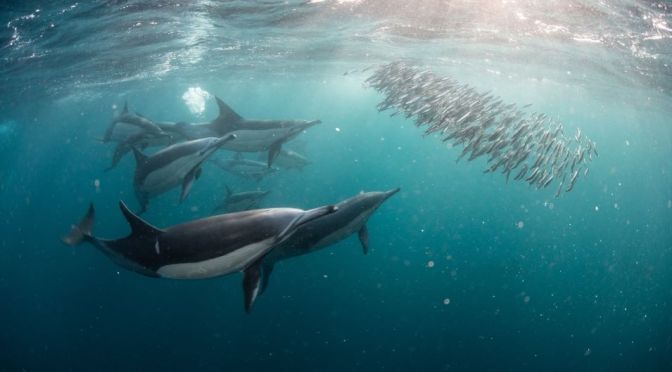
Migrations are a key to survival in the marine ecosystem. From whales and turtles to sardines, by travelling to different locations, nektonic animals stand better chances of finding food or a suitable place to breed and raise their young. In this video, we’ll take a look at the migrations of nektonic organisms – animals that are able to actively swim and can undertake large-scale journeys around the world, covering larger distances than plankton and their predators.
Video timeline: 00:00 – Introduction 01:10 – Chapter 1: Nektonic Adaptations – Why Animals Migrate 02:05 – Chapter 1: Nektonic Adaptations – Marine Mammals 02:35 – Chapter 1: Nektonic Adaptations – Migratory Fish 03:00 – Chapter 2: In Search of Sanctuary – The Sea Turtle Migration 04:04 – Chapter 2: In Search of Sanctuary – The Whale Migration 04:56 – Chapter 2: In Search of Sanctuary – The Whale Nursing Period 05:40 – Chapter 3: The Sardine Run – A Plentiful Feast 06:45 – Chapter 3: The Sardine Run – Nektonic Invertebrates 07:13 – Conclusion
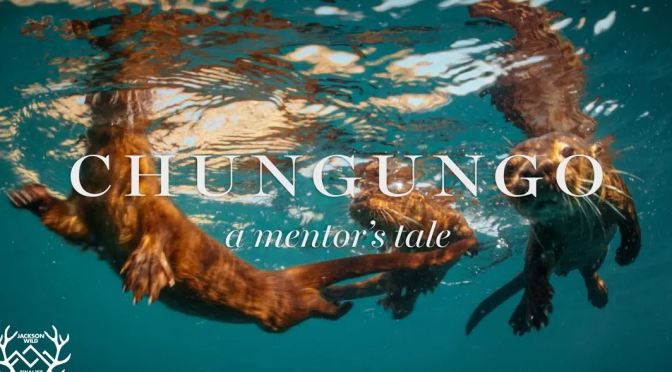
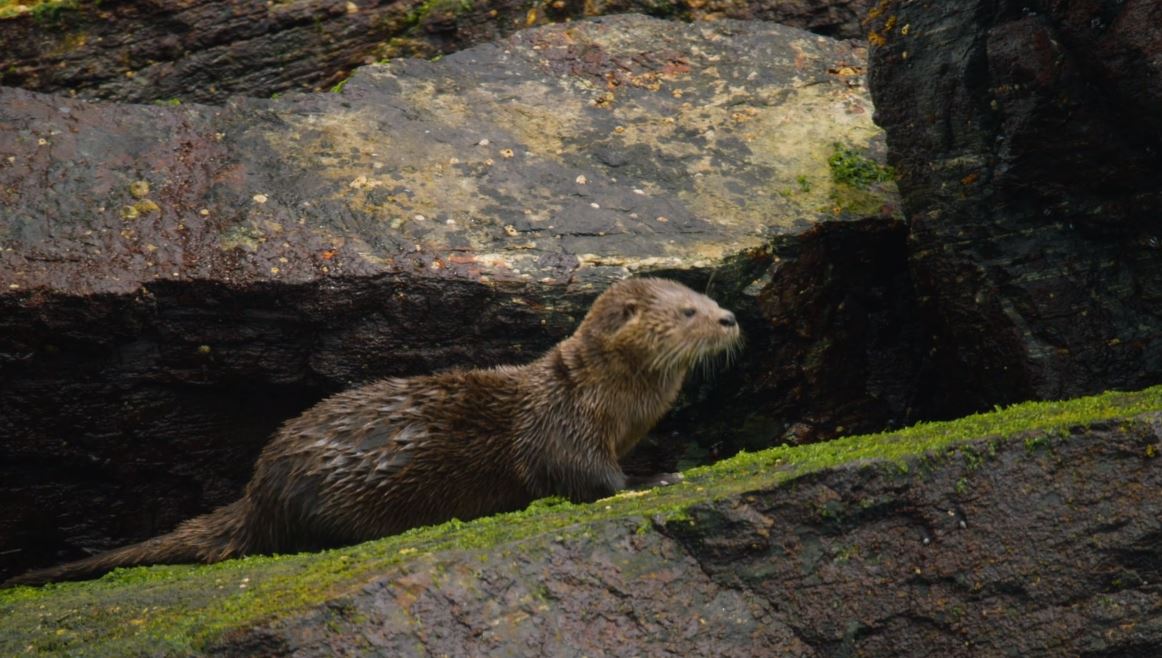
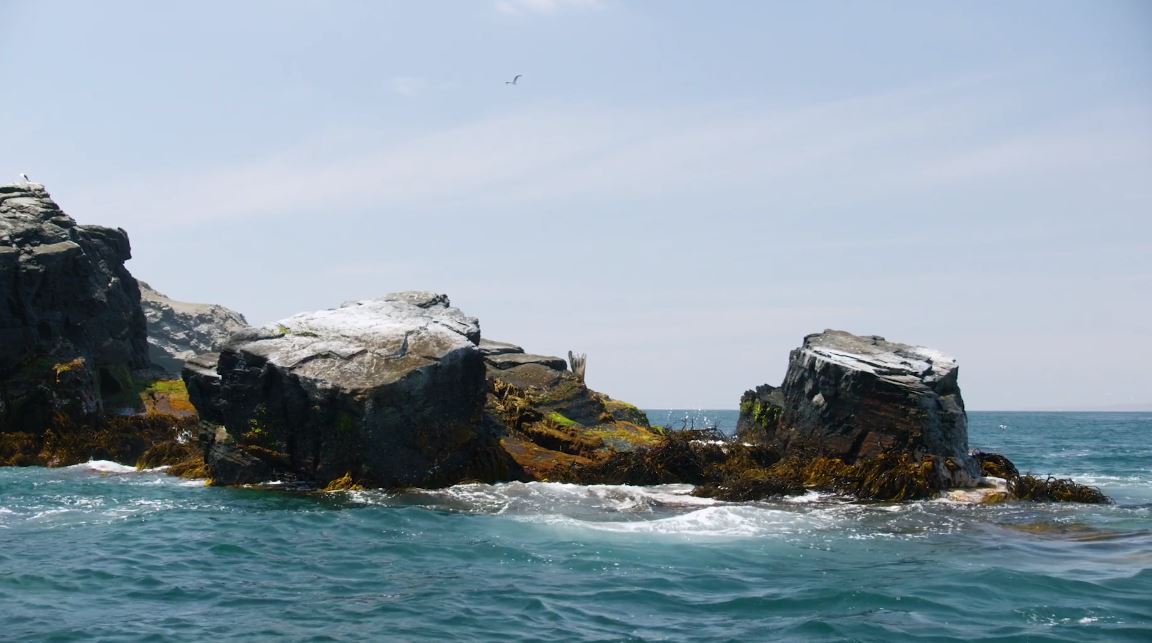
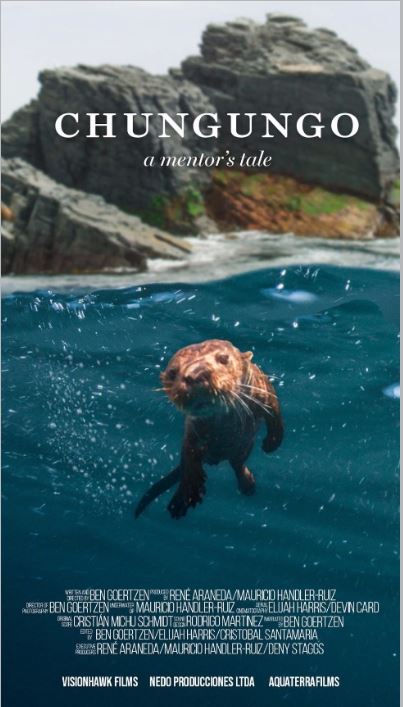 An endangered, South American Marine Otter mother and her two pups act as a vehicle into a poetic exploration of the threshold between comfort and action. Through blending traditional blue-chip cinematography with a philosophical narration the smallest marine mammal in the world is used as a mentor to teach humans about trusting their internal compass and confronting difficult questions. From showing a caring mother, to a playful sibling bond, to the kelp forests that nourish their entire ecosystem, this film aims to build empathy for animals as complex beings with more depth than we give them credit for.
 Boomers Daily