Tag Archives: Housing Crisis

Analysis: How Airbnb Is Rattling Housing Markets

CNBC International (August 15, 2023) – In the Italian city of Venice, the number of beds dedicated to tourists is now almost on par with the number of beds allocated to residents.

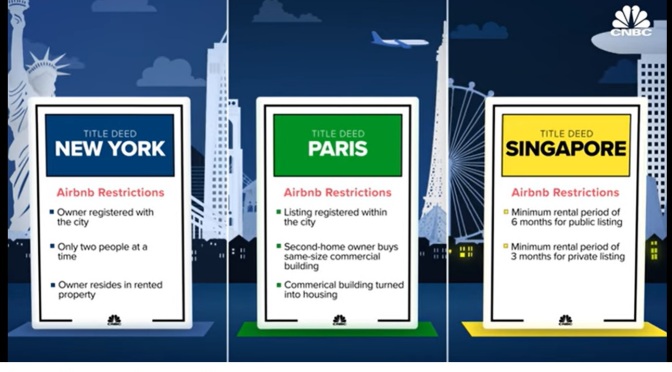
An electronic counter installed by activists in the city tracking this number illustrates the ever-growing demand for short-term rentals, popularized by the home-sharing platform Airbnb, which is now as popular as hotels. The short-term rental market is projected to be worth $228.9 billion in 2030, boosted by the rise of commercial operators.

But as the housing crisis deepens worldwide due to land and labor shortages, residents are questioning the impact of Airbnbs and second homes locally. “We have more than 7,000 apartments involved in this kind of system of short-term tourist rentals.

And now it’s very difficult for a young guy or a new family to find an affordable house to rent,” Dario Nardella, Florence city mayor, told CNBC. So what is the economic impact of Airbnb and short-term rentals? And can restrictions ease the crisis? Watch the video to find out.

#CNBC #Airbnb #Housingmarket

Preview: New York Times Magazine – June 4, 2023

Image

THE NEW YORK TIMES MAGAZINE (June 4, 2023) – California is the place where the future happens, for good and ill. That’s part of its magic. Read our first-ever California Issue to find out what roads the state will take us down next.

Inside: A fight over a parking lot that explains the housing crisis; the future of California’s power to shape national policy; how the state is adapting to a warming world — and more.

California Builds the Future, for Good and Bad. What’s Next?

An illustration of a California-inspired scene: wildfires, cars on a highway, the writer’s strike in Hollywood, a tent city, drones in the sky, flooding and a marijuana dispensary.

From reparations to tax revolts, the Golden State tries out new ideas all the time. What roads will its latest experiments send us down?

By Laila Lalami

I remember my first glimpse into the future. In August 1992, when I arrived in California as a student, I discovered during orientation that the university required all incoming students to have something called an email account. To access it, I had to call up a text-based mail client on Unix, using a series of line commands. If I needed a file that sat on a university computer in New York, I could use file transfer protocol to download it in Los Angeles, the whole process taking no more than a few minutes. That’s brilliant, I remember thinking.

Can the ‘California Effect’ Survive in a Hyperpartisan America?

A collage illustration showing the California capitol, the Golden Gate Bridge and a surfer hitting the waves, among other California motifs.

For decades the state has been setting policy for the whole nation. Now red states are pushing back.

By Conor Dougherty

For a while this winter, seemingly every text message that Buffy Wicks received asked if she was running for Congress. Representative Barbara Lee, of California’s 12th District, which includes Oakland, had announced that she would enter the race for Dianne Feinstein’s soon-to-be-vacated Senate seat. This decision by Lee, who is 76, created a rare opportunity for the next generation of California Democrats to vie for federal office. And Wicks — a 45-year-old State Assembly member who lives in Lee’s district and was last re-elected with 85 percent of the vote — seemed like a natural candidate.

Affordable Housing: Is Modular The Answer?

Cities around the world are facing an affordable housing shortage – and the Covid-19 pandemic has only worsened the crisis. A 2021 report revealed 88 out of 92 major cities are considered unaffordable. The least affordable of them is Hong Kong, where the median house price is more than 20 times the annual median household income.  

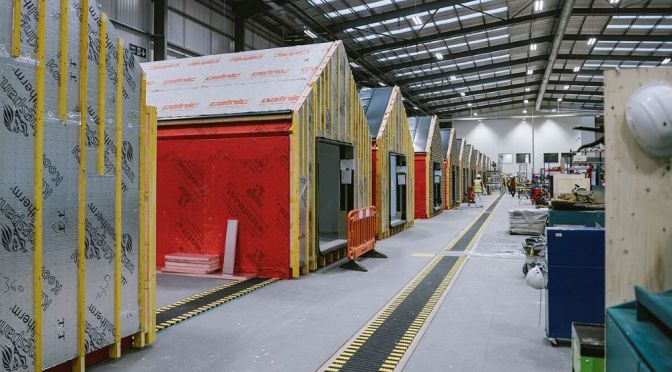
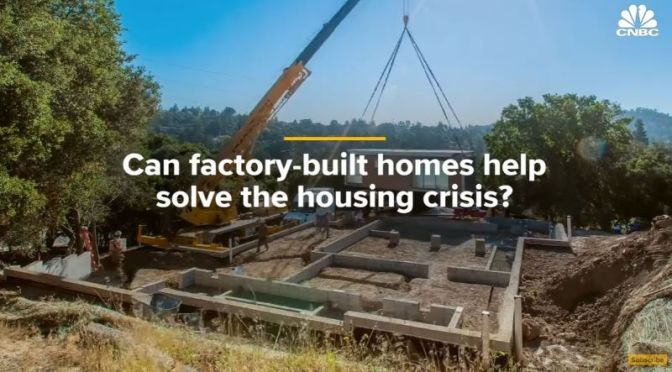
But there is a potential solution that is garnering attention: factory-built homes. These houses – also known as modular homes – are constructed in controlled conditions and can take just a week or two to build.   

“We can build 27 Top Hat homes for every one brick and mortar traditionally built house,’ said Jordan Rosenhaus, who is the CEO of modular housing factory, TopHat.  “So, over the next week, we’ll finish approximately 10 houses, that’s just our production program for now. That can ramp up”.

So can this innovation solve the housing crisis? Watch the video above to learn more.  

Analysis: ‘Can Prefab Homes Fix U.s. Affordable Housing Crisis?’ (Video)

The affordable housing crisis in the United States continues to be a problem and it’s only getting worse. And in places like San Francisco, where construction costs are some of the highest in the world, overcoming the housing shortage seems impossible. However, one solution is gaining traction that could dramatically reduce the cost and time to build new housing – factory-built apartments.