
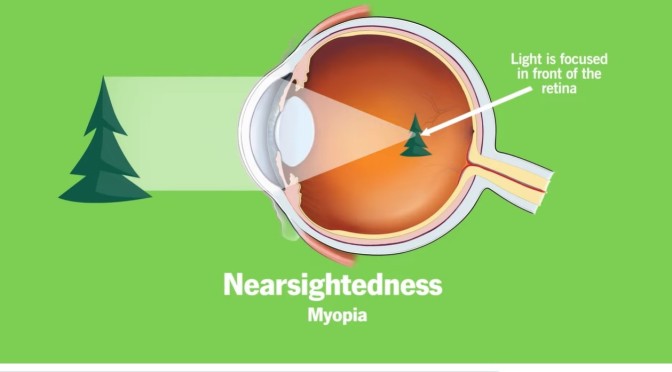

Chapters: 0:00 Intro 0:32 What causes nearsightedness? 1:01 Why can’t you see far? 1:20 When does nearsightedness usually begin? 1:42 What are symptoms of nearsightedness? 1:59 Can nearsightedness be corrected? 2:23 Is there a cure for nearsightedness?
What is myopia?
People who have myopia (also known as nearsightedness) have difficulty seeing distant objects, but can see objects that are near clearly. For example, a person who is nearsighted may not be able to make out highway signs until they are just a few feet away.
Myopia affects a significant percentage of the population. It’s an eye focus disorder that is easily corrected with eyeglasses, contact lenses or surgery.
How common is myopia?
Myopia is very common. According to the American Optometric Association, more than 40% of Americans are myopic, a number that is rapidly rising, especially among school-aged children. Eye experts expect this trend to continue in the coming decades.
Today one in four parents has a child with some degree of nearsightedness. Some eye experts believe that if your child spends an extraordinary amount of time engaged in “near” activities, such as reading or using smartphones and computers, it may raise the risk of developing myopia.
Can myopia lead to blindness?
Usually, myopia is a minor nuisance that can be corrected with eyeglasses, contact lenses or surgery. But in rare cases, a progressive type called degenerative myopia develops that can be very serious and is a leading cause of legal blindness. Degenerative myopia affects only about 2% of the population. It is believed to be inherited and is more common in Jewish, Japanese, Chinese and Middle Eastern people.
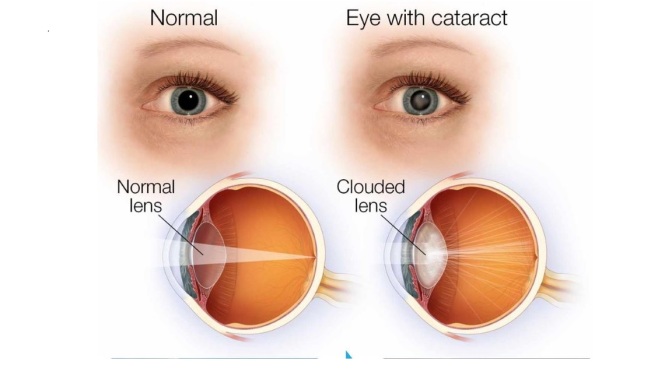
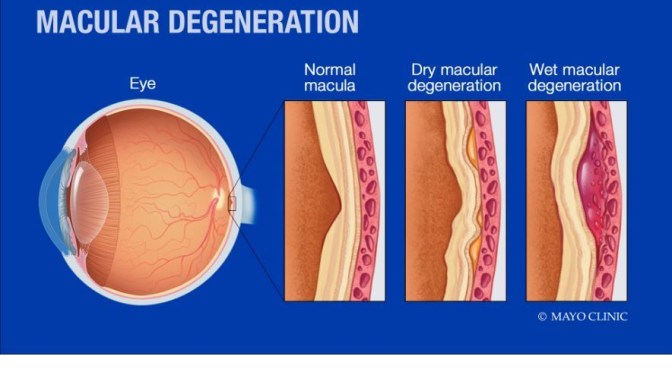
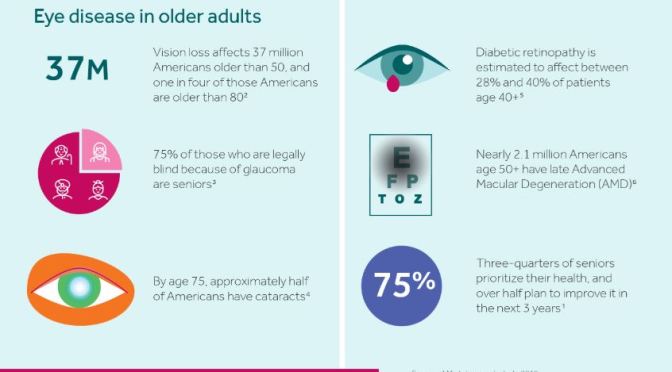


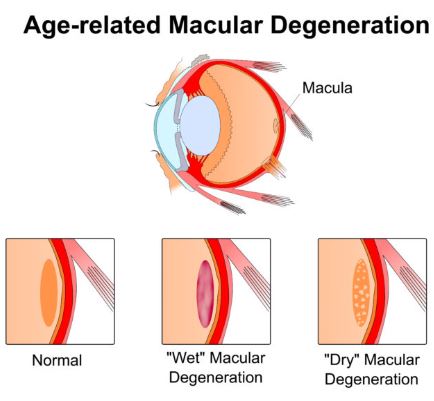 “Our work provides additional evidence that that diet matters,” Millen added. “From a public health standpoint, we can tell people that if you have early AMD, it is likely in your best interest to limit your intake of processed meat, fried food, refined grains, and high-fat dairy to preserve your vision over time.”
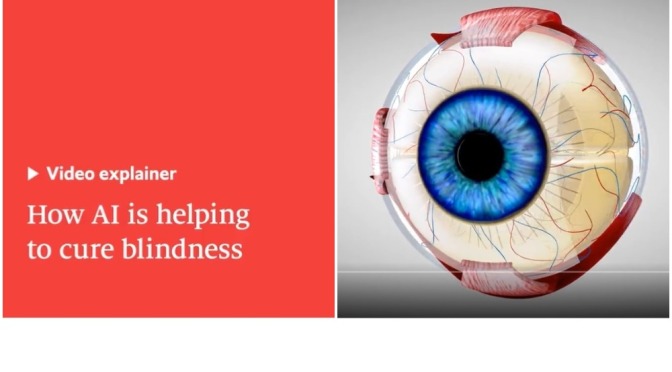
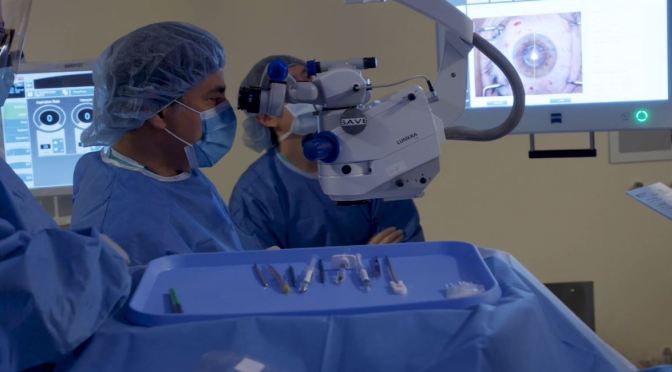
 Our 3D deep-learning system performed well in both primary and external validations, suggesting that it could potentially be used for automated detection of glaucomatous optic neuropathy based on SDOCT volumes. Screening with the deep-learning system is much faster than conventional glaucoma screening methods (ie, by experienced specialists), can be done automatically, and does not require a large number of trained personnel on site. Further prospective studies are warranted to estimate the incremental cost-effectiveness of incorporating this artificial intelligence-based model for screening for glaucoma, both in the general population and among at-risk people.
 Boomers Daily