
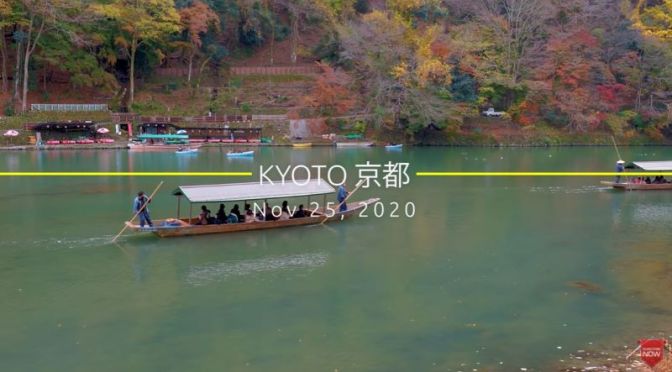
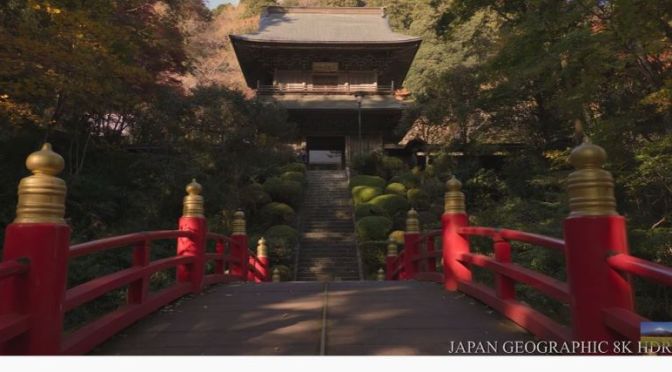
A walking around Nantan, Kyoto. These temples are located in the Kameoka and Sonobe areas of Kyoto.
Video timestamps: 00:00 タイトル(Title) 00:17 龍潭寺(Ryoutan-ji Temple) 03:22 神蔵寺(Jinzou-ji Temple) 06:17 龍穏寺(Ryouon-ji Temple) 09:10 西光寺(Saikou-ji Temple)

Date taken: 25th of November 2020
Arashiyama is a district on the western outskirts of Kyoto, Japan. It also refers to the mountain across the Ōi River, which forms a backdrop to the district. Arashiyama is a nationally designated Historic Site and Place of Scenic Beauty.
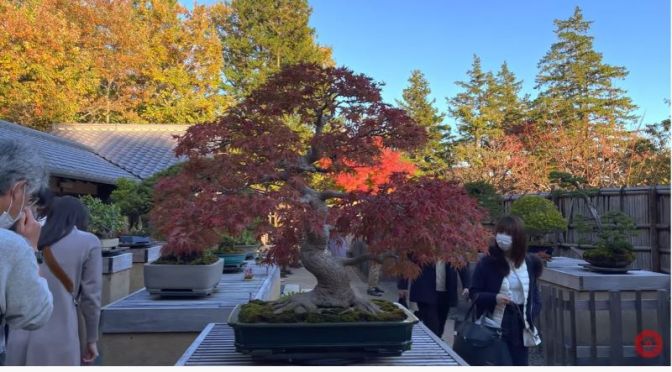
Within the Japanese garden in the middles of Showa Kinen Park, there is a separate bonsai tree exhibit. Here many of the trees are 100 years old, and even one that is 300 years old! I didn’t know that there are so many different kinds of seasonal bonsai trees; Japanese maple bonsai with the read leaves, or trees with fruits and berries. If you ever come to visit Showa Kinen Park, please be sure to stop by to see these old souls.
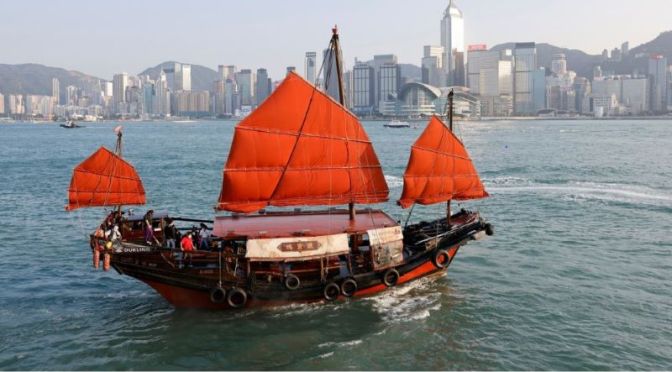
The Dukling, a traditional Chinese junk boat frequently spotted around Hong Kong’s picturesque Victoria Harbour, has readjusted its tour routes to survive the coronavirus pandemic, now mainly catering to locals.
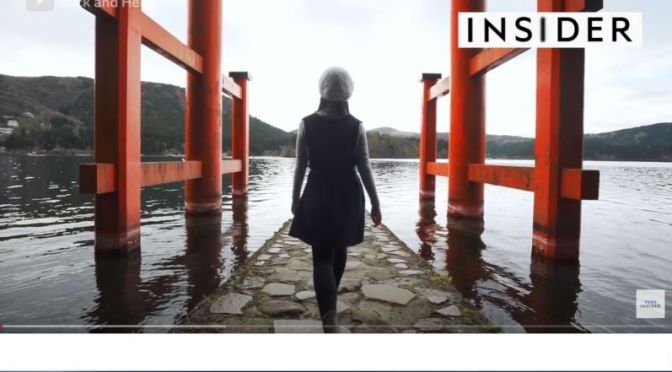
From wandering between Tateyama’s Snow Wall to spending a night in a Koyasan temple, we take you through Japan’s travel spectrum showing the best food places, architecture, sights, thrills, and shopping experiences.
Food – Dotonbori District: The Dotonbori district is the most colorful area in Osaka. When visiting you must try takoyaki and okonomiyaki. Shin-Yokohama Raumen Museum: Taste nine different types of ramen at the world’s first food-themed amusement park.
Architecture – Koyasan: Temples and shrines can be found all throughout Japan. Tourists can experience Buddhist lifestyle through traditional practices by spending a night in a Koyasan temple. Reversible Destiny Lofts: The space is meant to challenge your mind and body to interact with your living space in a new way to allow new possibilities daily. It is made up of only three shapes. Shirakawa-go Village: Declared a UNESCO World Heritage site in 1995 for its gassho-zukuri houses, the thatched roofs without nails are symbolic of hands pressed together in prayer.
Sights – Tateyama Snow Wall: The Snow Corridor of Tateyama rises up to 65 feet. Bonin Islands: During the second world war, the islands were used as military bases, so if you enjoy diving, you are likely to see many shipwrecks. Nagano’s Jigokudani Monkey Park: In Nagano’s Jigokudani Monkey Park there are no barriers. These monkeys are the only ones in the world that enjoy bathing in hot springs.
Thrills – Hokkaido: Hokkaido has light, powdery snow perfect for snowboarding or skiing in the winter. Yonaguni: Nevertheless, the Yonaguni monument requires a 9 to 52 foot dive to reach the bottom, and it is recommended that you have at least 100 hours of logged diving experience.
Shopping – Kanazawa: This city is most famous for its teahouses and geisha and samurai districts, along with its gold leaf production. Akihabara: Akihabara, also known as Electric Town, is a hub for all things electronics, game paraphernalia, anime, and manga. Canal City: Called a city within a city, Canal City is a large shopping mall and entertainment center in Fukuoka.
Directed and filmed by | Matteo Poddie
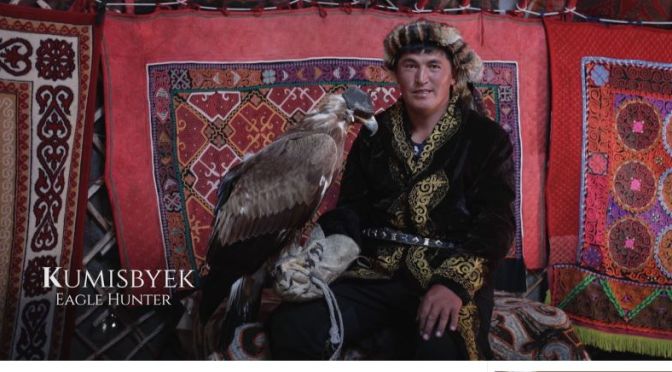
Could ever exist a bond of respect and love between an eagle and a human?
The ancient art of eagle hunting is one of the many traditions and skills which have been maintained by the Kazakhs over the past decades. For more than two centuries, Mongolian Kazakh men have been hunting on their horses with golden eagles, trained following old traditions which are fading over time.
This Art needs the development of a deep bond between man and his eagle in order to accomplish a successful hunt.
An interview to one of the remained descendants of this minority, who tries to spread and preserve this ancient practice, through love and sense of belonging to his roots. The eagle hunting would otherwise be facing the risk of disappearing forever with the development of the modern world.
It is outstanding how these birds still play a paramount role for these people’s lives.
_____
Narrator | MikeJfvo
Shot on location | Mongolia, Altaj region
Shanghai, on China’s central coast, is the country’s biggest city and a global financial hub. Its heart is the Bund, a famed waterfront promenade lined with colonial-era buildings. Across the Huangpu River rises the Pudong district’s futuristic skyline, including 632m Shanghai Tower and the Oriental Pearl TV Tower, with distinctive pink spheres. Sprawling Yu Garden has traditional pavilions, towers and ponds.
With its enormous cities and towering skyscrapers brightly clad in neon lights, Japan is a fun country to visit, full of history and with a rich cultural heritage. Temples and shrines dot its streets, while world-class restaurants rub shoulders with ancient castles and imperial palaces, and its cities bustle with life and energy. Japan is a warm, welcoming and endlessly interesting travel destination with something for everyone. Here’s a look at the best places to visit in Japan:
Filmed on October 17th, 2020.
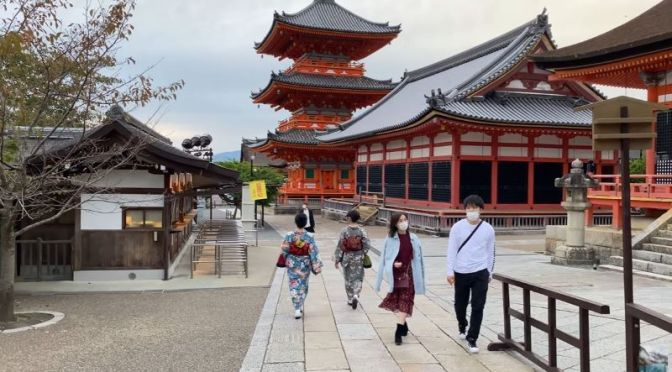
Kiyomizu-dera, formally Otowa-san Kiyomizu-dera, is a Buddhist temple in eastern Kyoto. The temple is part of the Historic Monuments of Ancient Kyoto UNESCO World Heritage site.
Built in 1450, it is the oldest temple in Kakunodate town. The sanmon gateway is Akita prefecture’s tangible cultural property. The guaridan deva is a work of Emazo, the composer of the Donpan folk song. Also the thousand Buddha statues of Shiraiwa ware, is a magnificent piece of art.
Matsuo Bashō, born Matsuo Kinsaku, then Matsuo Chūemon Munefusa, was the most famous poet of the Edo period in Japan. During his lifetime, Bashō was recognized for his works in the collaborative haikai no renga form; today, after centuries of commentary, he is recognized as the greatest master of haiku.


 Boomers Daily