

NPR News Now reports: President Trump and Joe Biden campaigns, Covid-19 vaccine trials, Colorado fires and other top news.

NPR News Now reports: President Trump and Joe Biden campaigns, Covid-19 vaccine trials, Colorado fires and other top news.

First up, host Sarah Crespi talks with Staff Writer Jon Cohen about some tricky ethical questions that may arise after the first coronavirus vaccine is authorized for use in the United States. Will people continue to participate in clinical trials of other vaccines? Will it still be OK to give participants placebo vaccines?
Next, producer Meagan Cantwell talks with Bert Weckhuysen, a professor at Utrecht University, about a process for taking low-value plastic like polyethylene (often used for packaging and grocery bags) and “upcycling” it into biodegradable materials that can be used for new purposes.
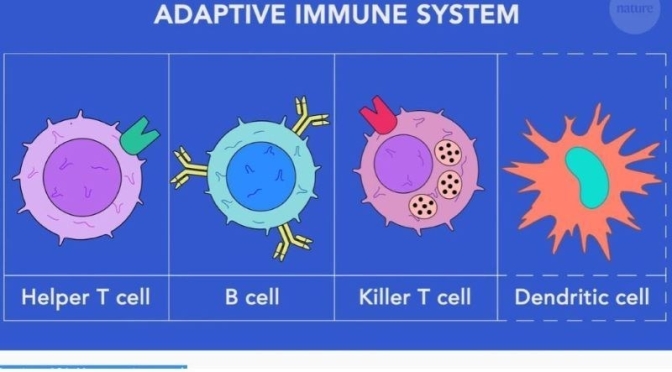
As the world waits for a potential COVID-19 vaccine, we delve into how vaccines actually work. What are the different types of vaccine? How do they trigger and train the immune system, and what is the role of herd immunity?
Syndicated columnist Mark Shields and New York Times columnist David Brooks join Judy Woodruff to discuss the week in politics, including President Trump’s vaccine rhetoric, the administration’s political manipulation of science, Joe Biden’s campaign message for working-class voters and Trump’s approach to U.S. history education.
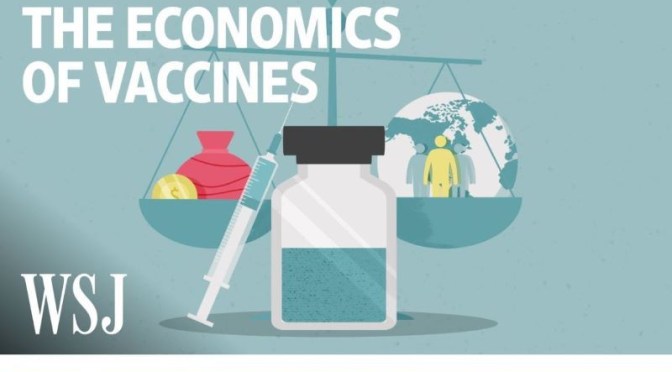
As government and private money pour into the global race for a Covid-19 vaccine, drugmakers are under great pressure to keep the shot affordable while also keeping investors happy. WSJ explains what this means for the final price tag of the jabs.
Illustration: Crystal Tai

Nature podcast discusses: Mapping the migration of the Vikings, a leading Covid-19 vaccine trial was abruptly halted and the world’s smallest ultrasound device.
In this episode:
00:45 Following the Viking footprint across Europe
To better understand who the Vikings were, and where they went, researchers have mapped genomes from hundreds of archaeological artifacts. Research Article: Margaryan et al.
08:00 Coronapod
Phase III trials of a leading coronavirus vaccine were abruptly paused last week – we discuss how news of the event leaked out, and the arguments for transparency in clinical trials. News: A leading coronavirus vaccine trial is on hold: scientists react; News: Scientists relieved as coronavirus vaccine trial restarts — but question lack of transparency; If you are involved in a clinical trial for a coronavirus vaccine or treatment, please fill in our survey.
21:05 Research Highlights
A burnt grain silo gives insight into ancient tax collection, and how hummingbirds survive the cold Andean nights. Research Highlight: Ancient tax collectors amassed a fortune — until it went up in smoke; Research Highlight: Why some of the world’s zippiest birds go stiff and cold every night
23:40 Ultra-tiny ultrasound
Scientists have developed an ultrasound detector which is smaller than the wavelength of sound it detects, providing highly detailed imaging at a cellular level; Research Article: ; Research Article: Shnaiderman et al.
29:53 Briefing Chat
We discuss some of the latest stories highlighted in the Nature Briefing. This week we talk about why California has an orange hue, and the strangeness at the edge of the Solar System. Forbes: The Science Behind Mysterious Orange Skies In California; BBC Future: The weird space that lies outside our Solar System

Our editor-in-chief Zanny Minton Beddoes asks the philanthropist and co-founder of Microsoft what it will take to defeat the coronavirus. They talk about why a Biden presidency might not transform America’s prospects of defeating the pandemic.
And, as rich countries scramble to be front of the queue for vaccines, should it be down to charitable billionaires to fund vaccinating the world’s poorest?
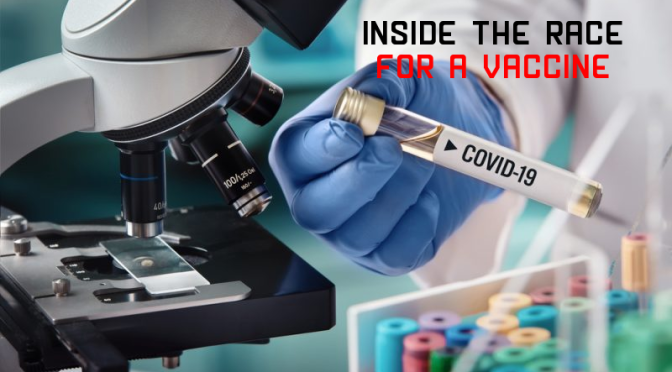
WASHINGTON POST (AUG 16, 2020): Researchers in the United States set an audacious goal in January to develop a coronavirus vaccine within 12 to 18 months. This would be a world record. The mumps vaccine is considered to be the fastest to move, in four years, from scientific concept to approval in 1967. The quest for an HIV vaccine continues, 36 years and counting.

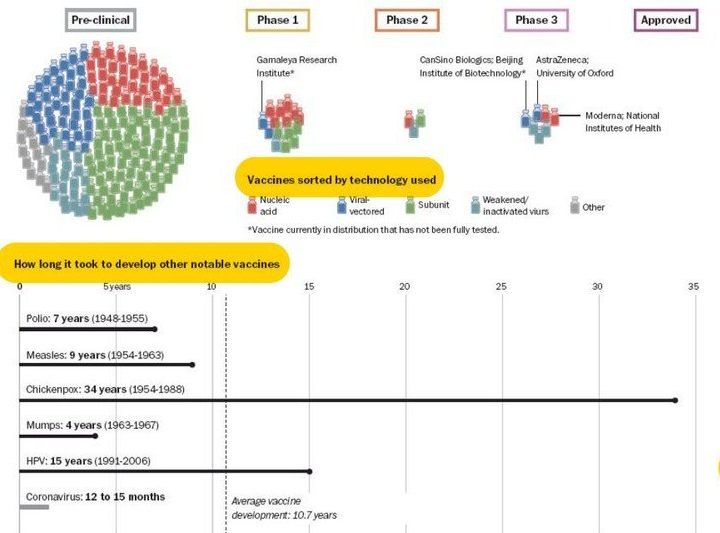
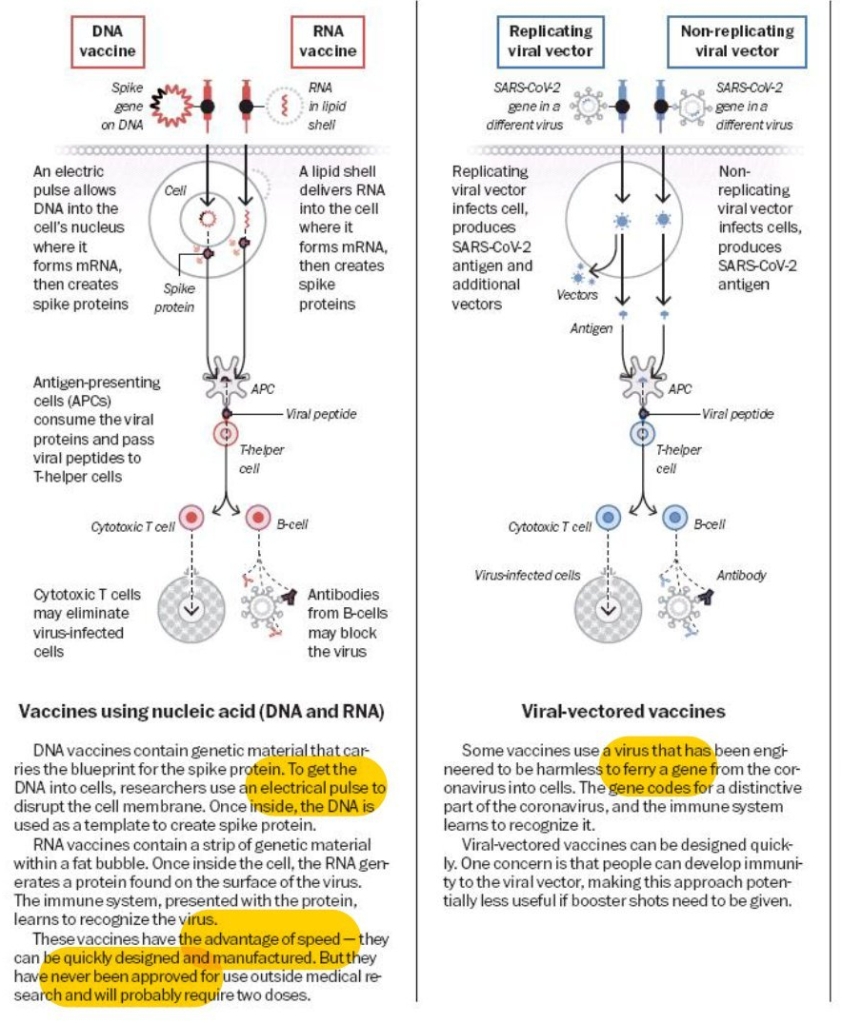

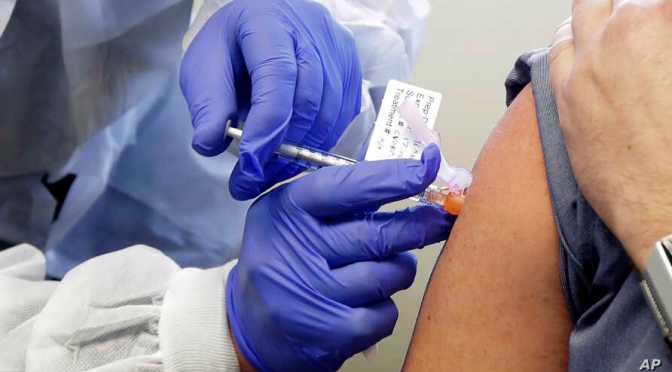
 Scientists around the world are racing to develop a vaccine for COVID-19. But experts have said it could take a year to 18 months for one to hit the market. The process for testing and approving a vaccine is long and complicated.
That can be frustrating when the coronavirus is taking more and more lives every day. But cutting corners to push a vaccine through faster can lead to devastating consequences. We know that, because it’s happened before.




 Boomers Daily