
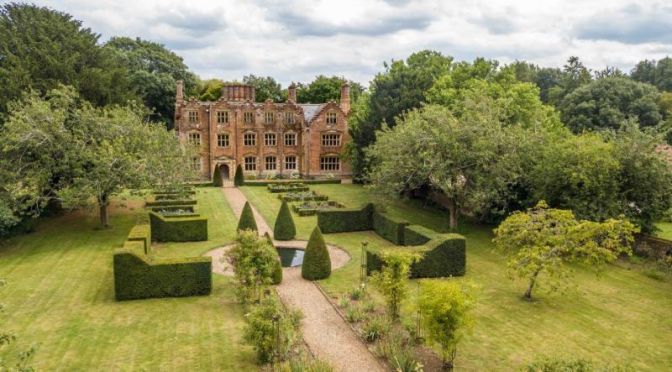
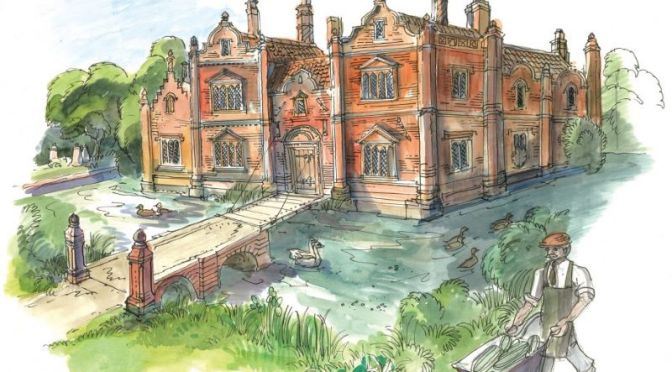
Wilby Hall is believed to have been built by Sir Thomas Lovell and lived in, among others, by Sir Robert Wilton, a friend of Oliver Cromwell, who is thought to have stayed at Wilby Hall during a visit to Norwich.


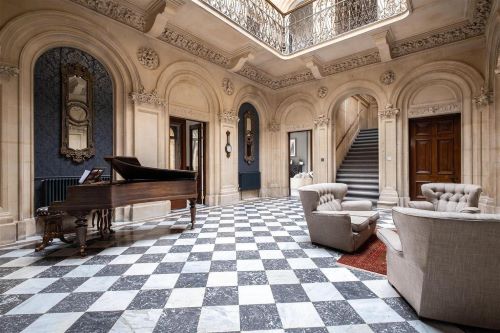
Of special interest to lovers of historic houses is the fact that, throughout its existence, successive custodians — including Russell — have taken care to conserve the many original features of the 6,183sq ft hall, which offers accommodation on three floors, each room having a specific purpose.
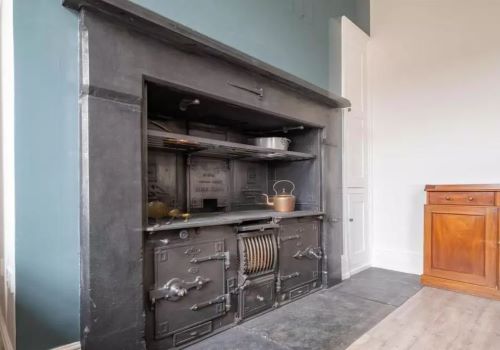
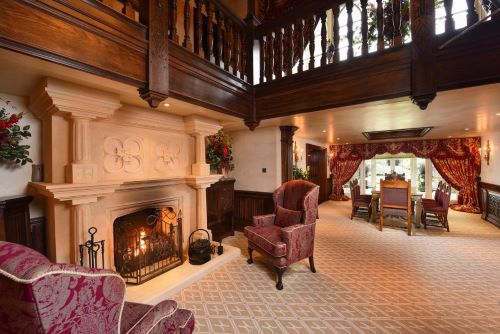
Of particular note are the impressive drawing room, the delightful sitting room with its distinctive wallpaper and handsome fireplace, the cheerful kitchen/breakfast room and the charming library.
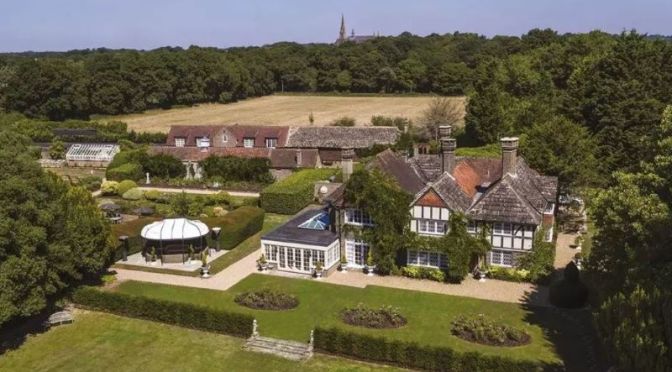
Wilby Hall is approached from the east along a sweeping, tree-lined gravel drive that allows tantalising glimpses of the splendid brick-built house. To the north of the main building is an Elizabethan walled garden, formally landscaped with box and yew hedging, yew topiary, herbaceous beds, a pond and ornamental trees. A south-facing garden comprising a large expanse of lawn stretches to the moat that borders the lawns from east to west, with mature broadleaf woodland beyond.





























 Boomers Daily