Tag Archives: Country Life Magazine

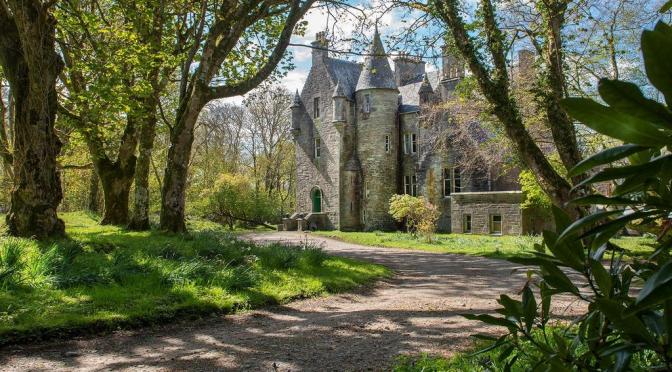
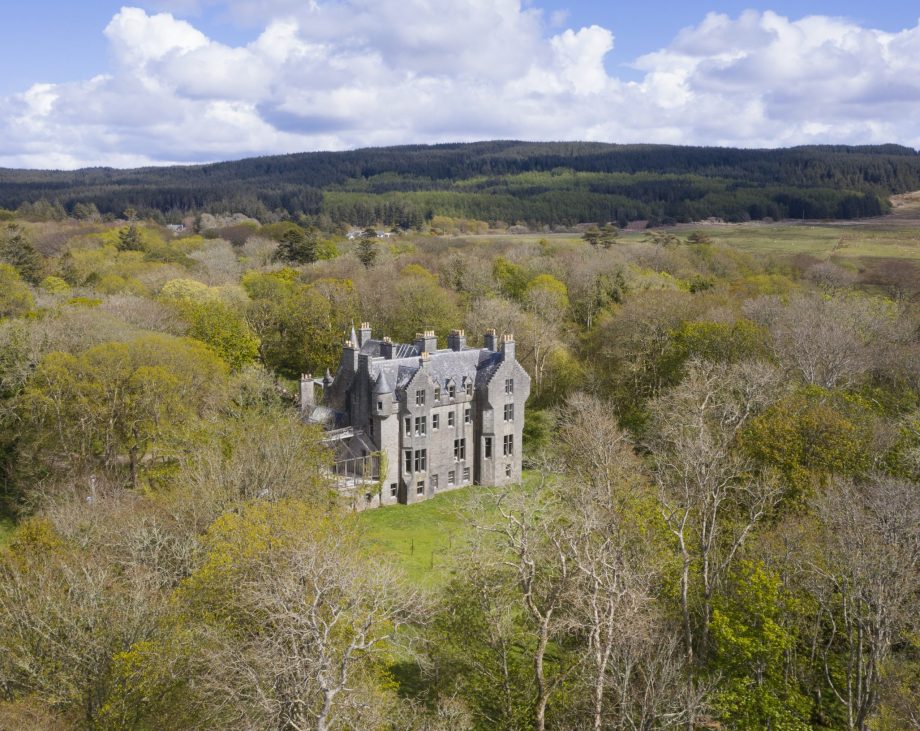
Tower Houses: Killberry Castle, Western Scotland

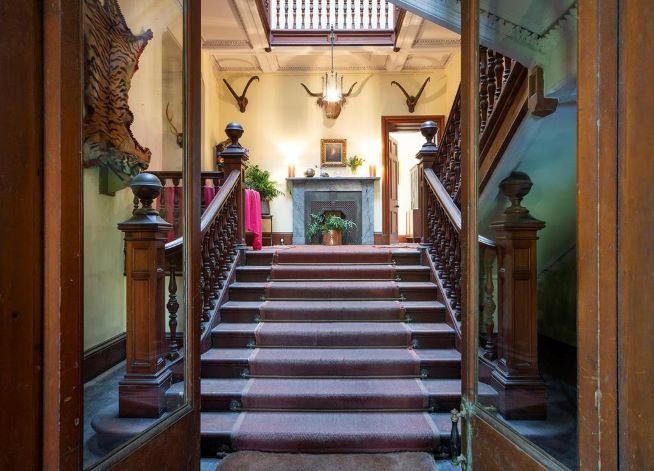
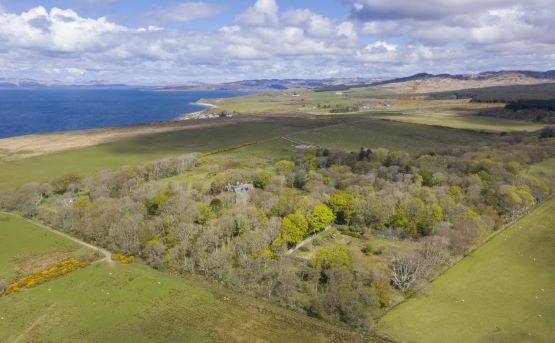
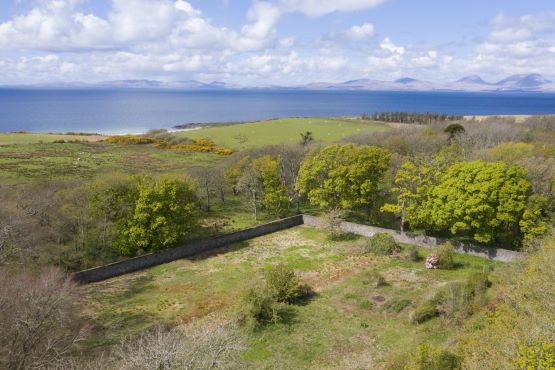
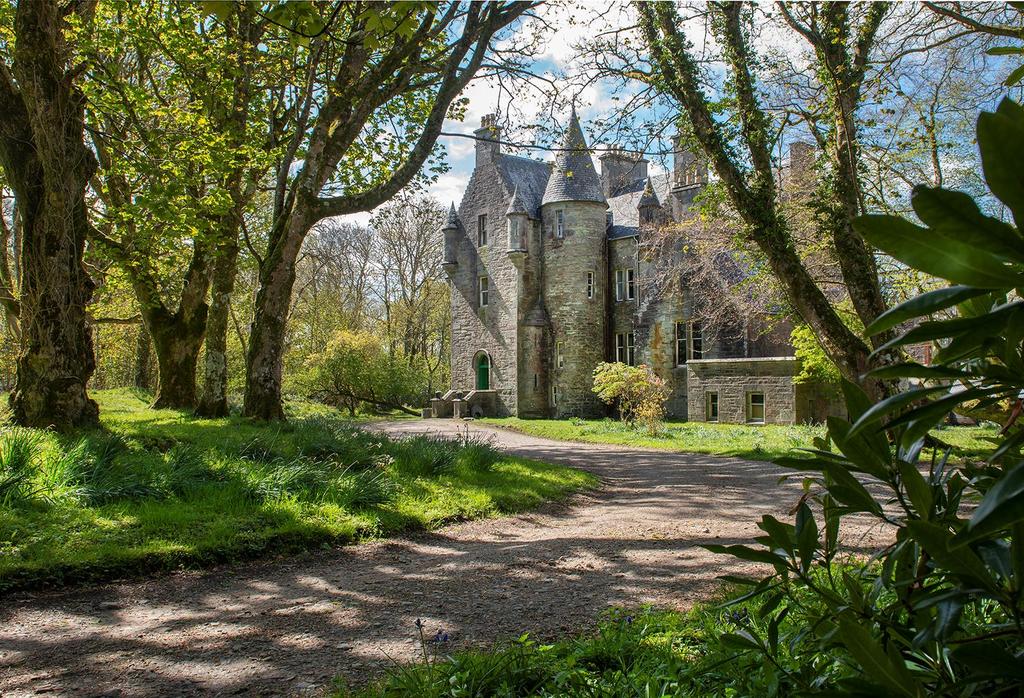
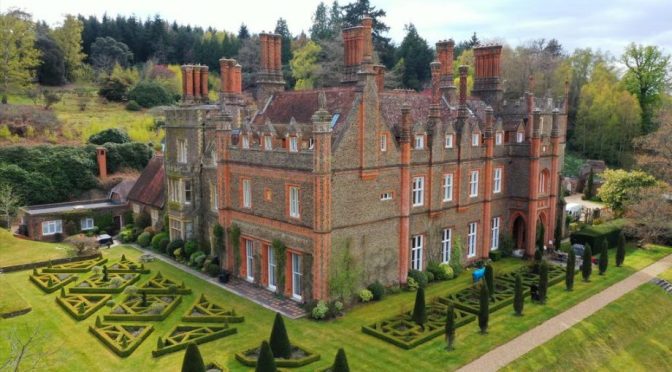
Kilberry Castle is the epitome of historic Scottish Baronial Tower Houses —  built in the 15th century, it has undergone everything from a pirate attack, being besieged during the 1643-1645 civil war, to almost being destroyed by a fire.

Lydia Stangroom, July 18, 2021

In 1550, the Campbell family acquired the Kilberry lands and the castle has, quite amazingly, stayed in the same family ever since.

Today, the property is a gateway for stepping back in time. Yes, there are original open fireplaces, decorative cornicing and galleried landings, but in one of the 10 bedrooms is a museum-like shrine to the era.

Read and see morehttps://www.countrylife.co.uk/property/a-15th-century-scottish-castle-for-sale-at-just-650000-thats-been-in-the-same-family-for-over-470-years-229540

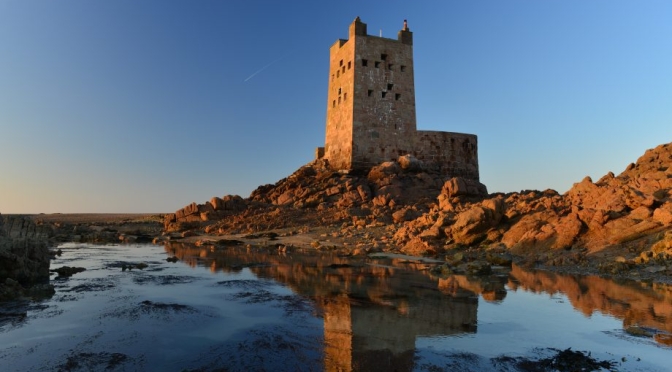
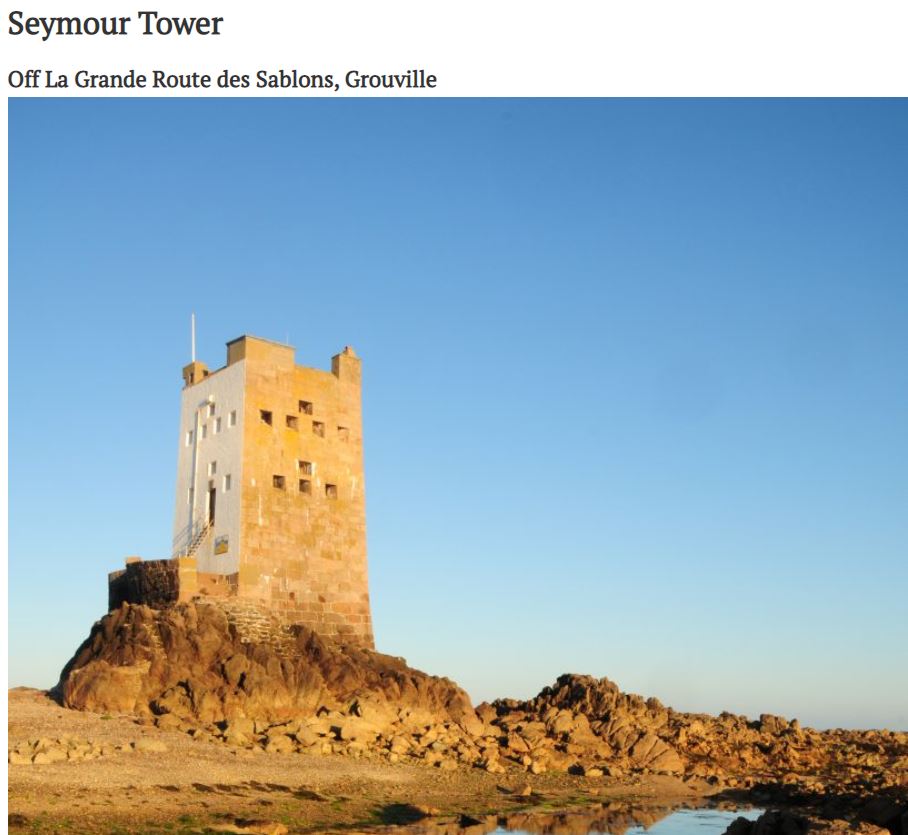
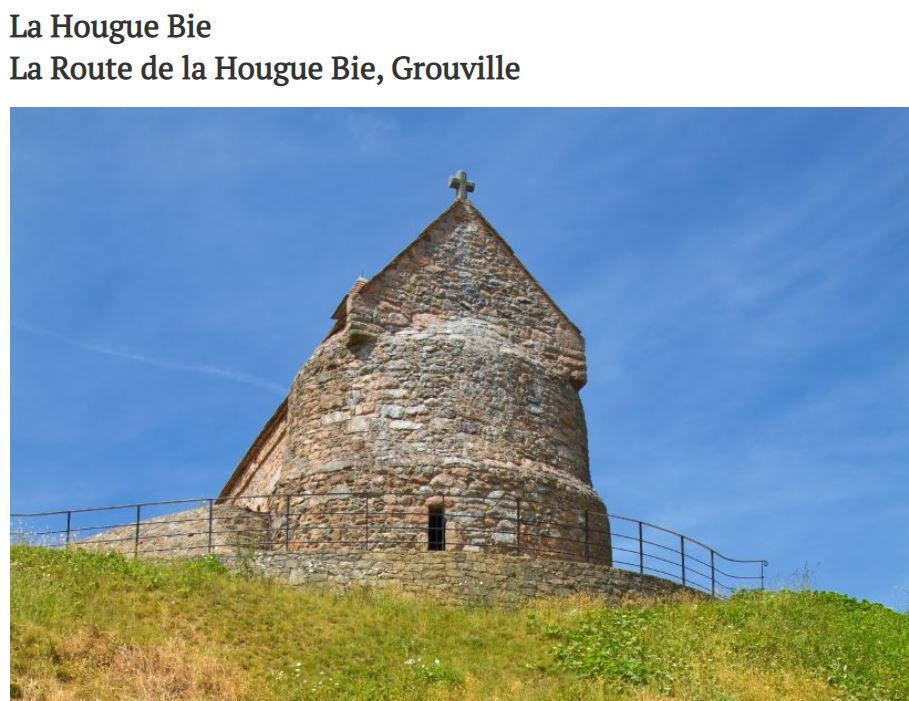
Channel Island Views: Monuments Of Jersey

Famous for its Jersey Royals, honey-coloured cows and international finance industry, Jersey is perhaps less well known for its rich history and distinct culture. Evidence of human activity dates back 250,000 years (the caves at La Cotte de St Brelade are associated with mammoth hunting) and its more recent Norman links give it a very French feel.

Country Life, July 17, 2021

Electric bikes, available to rent, are an ideal way to explore the landscape, as you look out for a glimpse of a bottle-nosed dolphin, red squirrel or puffin, or you could simply take to your feet to stroll around the island and drink in the magnificent views.

Read and see more at Country Life Magazine

English Country Estates: Aberdyfi, Western Wales

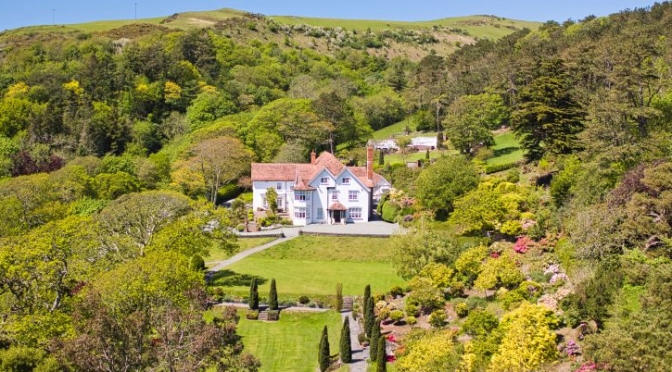
Owned by the vendors for 20 years or more, elegant, Edwardian Plas Penhelig, was built in 1908. It stands in just under 12½ acres of gardens, paddocks and woodland and boasts ‘six different views over the picturesque Dyfi estuary’.

Penny Churchill, July 14, 2021

Thanks to the waters of the Gulf Stream, rare plants and flowers flourish in Plas Penhelig’s sheltered valley, where the hillside is planted with a mass of shrubs, flowers and trees—from peonies and azaleas to camellias, magnolias, lavender, laburnum, lilac trees and a monkey puzzle.

Read and see more at Country Life Magazine

English Country Homes: Avon Court, Alveston

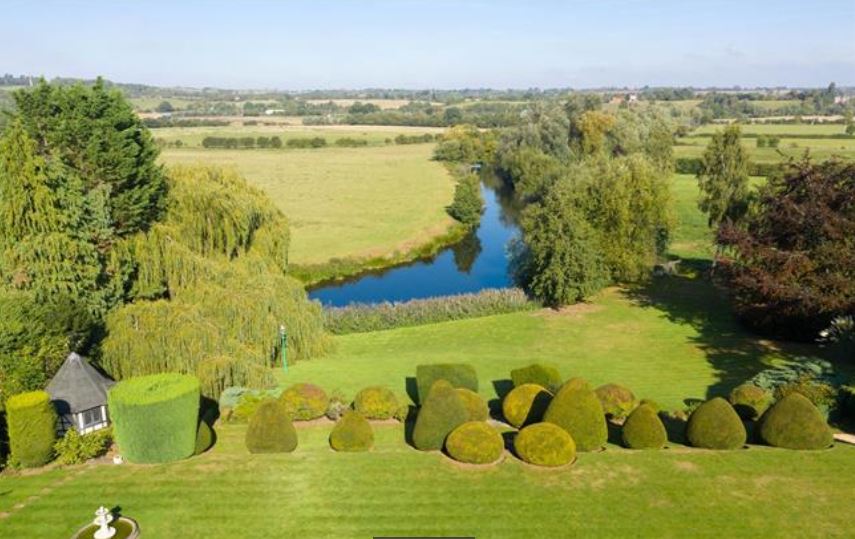
Everything about Avon Court has a opulent yet whimsical air about it — from the large wrought iron entrance gates, to the mature Willow tree in the garden that leads down to a mooring on a private stretch of river.

Annunciata Elwes, July 12, 2021

Avon Court’s glorious setting on a bend of the Avon — with private frontage, a mooring beside a lovely willow and dipping opportunities through the bull rushes on hot days — is hard to beat.

Read more

Country Estates: Elton Hall In Peterborough, UK

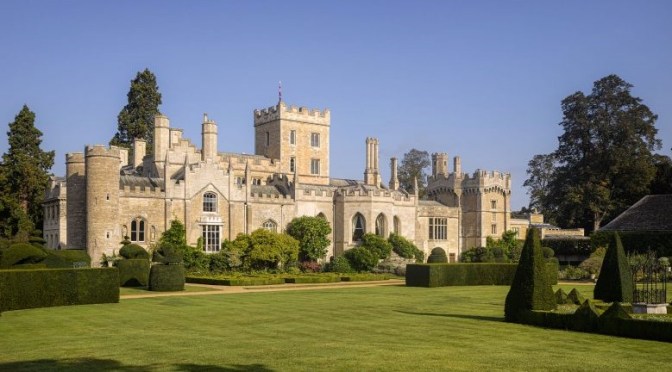
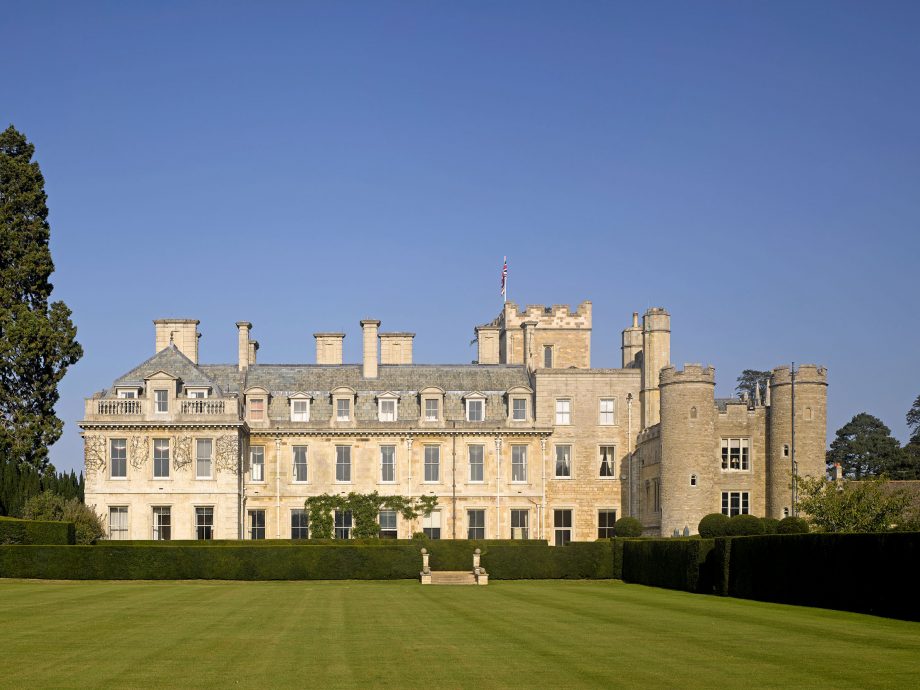
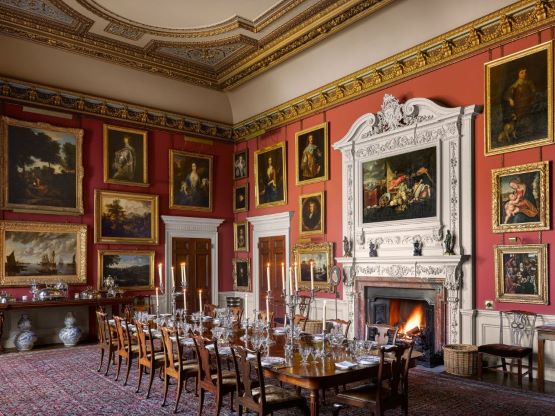
Elton Hall, near Peterborough, is a house of many faces. It is formal and Classical on the approach, yet reveals on inspection a complex architectural history stretching back to the Middle Ages. All this with gardens that extend and frame it with a kind of painterly stillness. Inside, the house has one of the best private art collections in the East of England.

John Goodall June 27, 2021

As it survives today, the house bears the stamp of important changes undertaken from 1857 by Granville Proby, the 3rd Earl of Carysfort, which is remarkable, given that he was 74 when he inherited the estate in 1855. He had grown up on the family’s Glenart estates in Co Wicklow, Ireland, fought at the Battles of the Nile and Trafalgar asa naval officer and later rose to the rank of Admiral. What inspired him to undertake this work is not now clear, but it may have been the poor condition of the building.

The architect he chose was Henry Ashton, a pupil of Smirke who served as an assistant to Sir Jeffry Wyatville from 1828 during the latter’s transformation of Windsor Castle (and who edited Wyatville’s posthumously published Illustrations Of Windsor Castle, 1841). It must have been through Windsor that Ashton caught the eye of the anglophile Willem II (Prince of Orange until 1840), who commissioned him, in 1838, to design a summer palace at the Hague. Nothing came of the project.
Read and see more at Country Life

English Country Estates: Yarner House – Dartmoor

Yarner House and the adjoining Yarner Wood, a 365-acre block of ancient woodland managed by Natural England as part of the East Dartmoor National Nature Reserve, were both once part of the manor of Bovey Tracey granted by William the Conqueror to Geoffrey de Mowbray, Bishop of Coutances.

Penny Churchill June 22, 2021

On de Mowbray’s death in 1093, his nephew, Robert Mowbray, Earl of Northumberland, inherited, but later defied the king, which led to the seizure of his estates in 1095.

Over time, ownership of the Bovey Tracey estates reverted to the Crown as favourites came and went, until, in the 16th century, a succession of costly wars left Tudor monarchs strapped for cash.

Elizabeth I began to sell off Crown properties and, in 1578, the Yarner estate was bought by Gregory Sprint, a canny lawyer with good Court connections, who swiftly resold it at a profit.

Read more at Country Life Magazine

Country Estates: Albury Park Mansion In Surrey Hills, Southeast England

Towering amongst the stunning  parkland setting in the Surrey Hills Area of Natural Beauty is Albury Park Mansion, a magnificent estate that dates back a century — it’s mentioned in the Domesday Book — and which has had a great house at its heart since the early 17th century.

Lydia Stangroom June 18, 2021

The house has evolved over the years, and as it stands now bears the fingerprints of one of the great 19th century architects, Augustus Pugin, who remodelled it for Henry Drummond in the 19th century.

St Paul’s Church, located within the estate grounds, was used as the setting for Four Weddings and a Funeral, during the famous wedding scene between Carrie, played by Andie MacDowell, and Hamish, Corin Redgrave. Episodes of the television series Midsomer Murders have also filmed in the house and grounds on the estate.

Read and see more in Country Life

Village View: Clerkenwell In Northern London

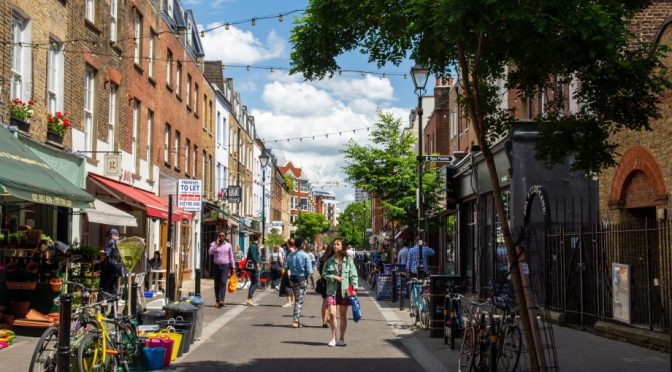
‘Clerkenwell was right outside the London city walls, but close enough to it, so was ideal for monasteries. With four or five in the area, people came to serve them, shops opened and you had quite a nice little village.’

Carla Passino June 14, 2021

A medieval well lies hidden inside a brick office block on Farringdon Lane. It may look a little more than a hole in the ground, but it’s from there that Clerkenwell came to life.

‘The parish clerks from the City of London would come to perform plays and read from the Bible and, because they gathered around this particular well, it became known as the well of the Clerks,’ explains Mark Aston, local-history manager for Islington Council, under which authority Clerkenwell falls. ‘It’s not only water that sprung from it, but Clerkenwell’s name itself.’

Read full article in Country Life Magazine

English Country Homes: 17th-Century Urchfont Manor In Wiltshire, UK

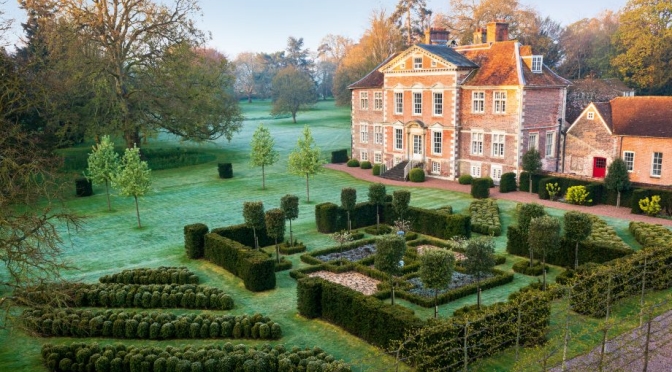
Within a few years of buying Urchfont Manor in 2013, Chris Legg and Eleanor Jones, with the help of a friend, landscape architect Paul Gazerwitz, had given their home a new vista that unites house and garden, as well as evoking the formal Baroque of the house’s late-17th-century past.

George Plumptre June 12, 2021

Their aim was to balance historical integrity with the development of a new garden. Continuity would be kept by preserving the garden’s bones, such as the walled garden and the fine trees beyond open lawn to the south and east. Work began on the rectangular walled kitchen garden.

The architecture on this side of the house is engagingly uneven and this is picked up in the new garden, which is neat and formal, but appropriately domestic in scale. The kitchen garden has been laid out afresh, with 16 rectangular patches divided by narrow gravel paths and with a square of four greengages in the centre. Crops are rotated and, every year, one bed celebrates an unusual plant, such as borlotti beans or root ginger. Elsewhere are nurtured asparagus and strawberry beds and a fruit cage with raspberries and gooseberries.

Read more at Country Life Magazine

English Country Estates: Glynn House, Cornwall

Much of the building as it stands today was completed in 1805 by Edmund Glynn, son of American Independence supporter John Glynn, but its history is much older.

Penny Churchill June 9, 2021

The manor was mentioned in the Domesday Book and was later home to distinguished personages such as Henry II’s Justiciar, Richard de Lucy, and perhaps most extraordinary of all the Earl of Warwick, ‘the Kingmaker’.

In the 18th century, the estate belonged to Waterloo hero Sir Hussey Vivian and, in the 1960s, to Nobel-prize winning chemist Peter Mitchell.

Read more