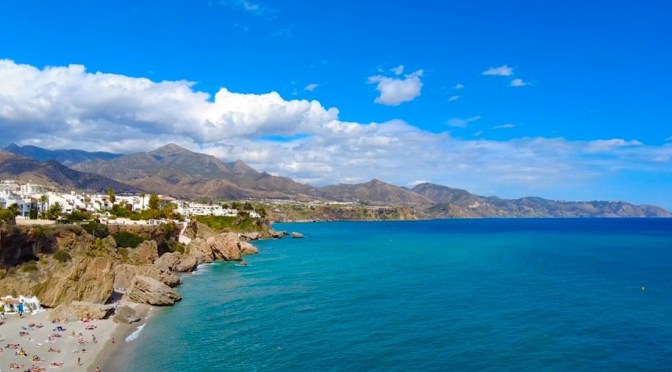
April 25, 2023: Nerja is a resort town along southern Spain’s Costa del Sol. Its seafront promenade, Balcón de Europa, tops a promontory with views of the Mediterranean and surrounding mountains.
Below it lie sandy beaches and cliffside coves. Cueva de Nerja, a nearby cavern with unusual stalactites and stalagmites, hosts popular summertime concerts. It’s also known for its paleolithic paintings, viewable by guided tour.
As he travels the Mediterranean, Jaafar Abdul Karim visits Andalusia in Spain. He tries flamenco dancing, tours the Alhambra, and finds his dream house on the Costa del Sol. In Tarifa, photographer José Luis Terrado shows Jaafar his photographs of refugees.
Flamenco music has its roots in the south of Spain. In Las Negras, journalist Jaafar Abdul Karim meets up with flamenco performer Anabel Veloso for a dance. His Mediterranean journey then takes him into the interior of Andalusia. Throughout its history, the region has been a gateway to the Arabic-speaking world. More than 700 years of Islamic rule have left their mark, especially on the architecture.
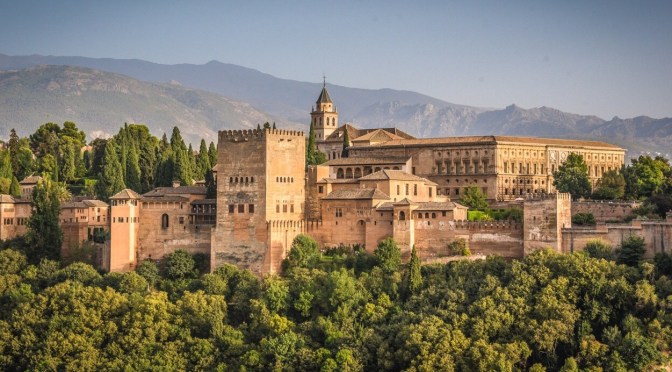
In Granada, Jaafar visits the famous Alhambra, a world heritage site. Back on the shores of the Mediterranean, the journey continues past beautiful beaches and picturesque bays to the city of Málaga. It’s located on the “Costa del Sol”, where the sun shines more than 300 days per year. The climate attracts millions of tourists, especially from Germany and Britain. Many have bought property here.
In Estepona, Jaafar finds his dream home: the architects José Carlos Moya and Bertrand Coue have built a solar house with floor-to-ceiling windows and 360-degree panoramic views. Its unique design allows it to follow the trajectory of the sun, all day long.
Finally, Jaafar heads to Tarifa, just 14 kilometers across the sea from Morocco. The proximity to the North African side of the Mediterranean has inspired the work of photographer José Luis Terrado. His pictures depict migration and the conditions under which refugees from Africa have to work in order to survive. More than any other destination on his Mediterranean journey, Andalusia shows Jaafar Abdul Karim just how closely linked Europe and Africa are, culturally as well as economically.
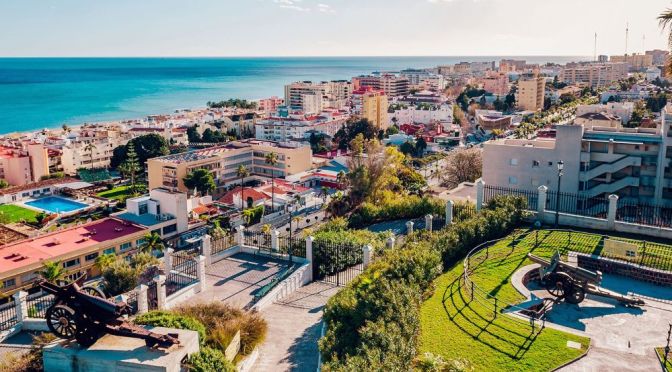
The Mediterranean resort town of Torremolinos in southern Spain’s Costa del Sol region is a sunseeker’s haven. In the 1950s, this former fishing village became one of the most popular destinations for sun-loving tourists. Stretches of dark, sandy beaches offer a multitude of watersports and beach activities, while the many bars, restaurants and local sights occupy vacationers.
The Port of Málaga is an international seaport located in the city of Málaga in southern Spain, on the Costa del Sol coast of the Mediterranean. It is the oldest continuously-operated port in Spain and one of the oldest in the Mediterranean.
Fuengirola is a town on the Costa del Sol in southern Spain, known for its sandy beaches. South of the city center, the medieval Moorish Sohail Castle towers over the coastline, and hosts concerts, festivals and a medieval market in summer. Adjacent to the Plaza de Toros bullring is Bioparc Fuengirola, a naturalistic zoo featuring a re-created jungle clearing and animals from Asia and Africa.
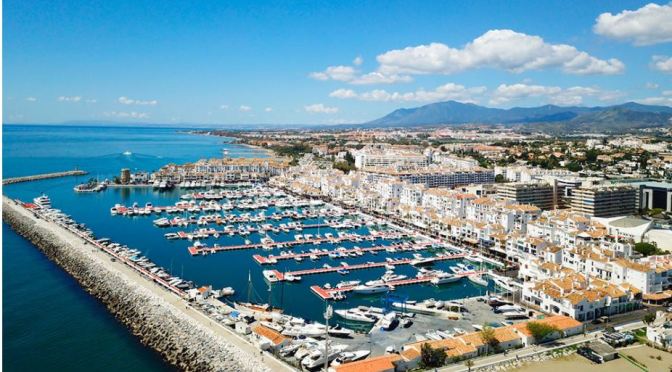
Marbella is a city and resort area on southern Spain’s Costa del Sol, part of the Andalusia region. The Sierra Blanca Mountains are the backdrop to 27 km of sandy Mediterranean beaches, villas, hotels, and golf courses. West of Marbella town, the Golden Mile of prestigious nightclubs and coastal estates leads to Puerto Banús marina, filled with luxury yachts, and surrounded by upmarket boutiques and bars.
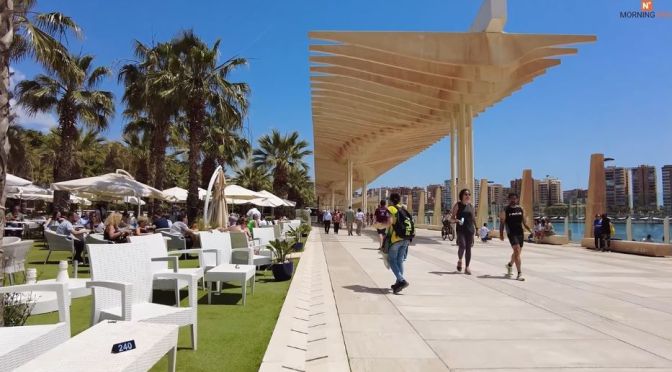
Málaga is a port city on southern Spain’s Costa del Sol, known for its high-rise hotels and resorts jutting up from yellow-sand beaches. Looming over that modern skyline are the city’s 2 massive hilltop citadels, the Alcazaba and ruined Gibralfaro, remnants of Moorish rule. The city’s soaring Renaissance cathedral is nicknamed La Manquita (“one-armed lady”) because one of its towers was curiously left unbuilt.
Marbella is a city and resort area on southern Spain’s Costa del Sol, part of the Andalusia region. The Sierra Blanca Mountains are the backdrop to 27 km of sandy Mediterranean beaches, villas, hotels, and golf courses. West of Marbella town, the Golden Mile of prestigious nightclubs and coastal estates leads to Puerto Banús marina, filled with luxury yachts, and surrounded by upmarket boutiques and bars.
Puerto José Banús, more commonly known simply as Puerto Banús, is a marina located in the area of Nueva Andalucía, to the southwest of Marbella, Spain on the Costa del Sol. It was built in May 1970 by José Banús, a local property developer, as a luxury marina and shopping complex.
Mijas Pueblo is the historical core of the municipality of Mijas, situated in the heart of the Costa del Sol in southwestern Spain. It lies only 30 kilometres from Málaga Airport. It has a varied landscape that goes from the mountains all the way to the sea.
The area of Mijas is mostly mountainous with growing developments along the coast and on the gentler parts of the mountain slopes. The Pasadas and Ojen rivers cross this area, they join to form the Rio Fuengirola which flows into the sea almost on the limits between Fuengirola and Mijas.
The Municipality, one of the largest in the Province of Málaga, with 147 km² is divided into three different urban areas: Mijas Pueblo, conserving the charm of a traditional Andalucian “white village”, Las Lagunas on the coast (the most modern area of Mijas where you can find industrial and commercial areas), and La Cala, a small seaside village in the centre of the 12 kilometres of beaches on the Mijas coast.
Inhabited since ancient times, a small village Mijas was devoted mainly to agriculture and fisheries to the explosion of the tourist boom in the 1950s. Since then, tourism and construction sector have been the engines of local economy, triggering at the same time the population and per capita income, albeit at a high environmental cost. Today it is a multicultural city with a high percentage of residents of foreign origin and a major residential centers of tourism in Andalusia.
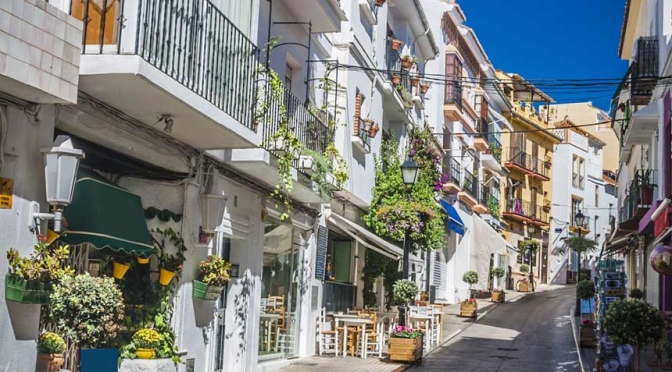
The maze of narrow, cobbled streets dotted with white whitewashed houses contrasted by colorful flower pots and flowers that decorate the balconies, is an image that will remain etched in your mind about Mijas Pueblo.
News, Views and Reviews For The Intellectually Curious





 Boomers Daily