
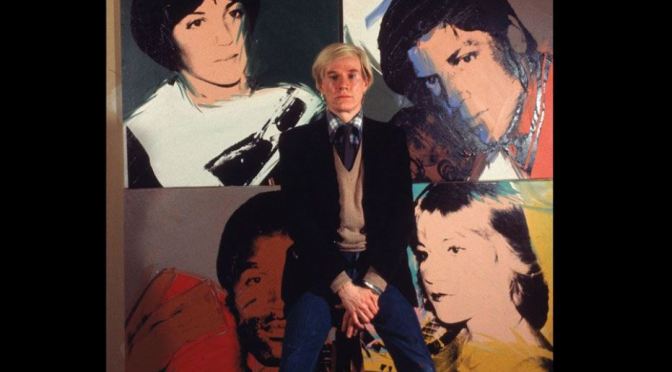
From a Christie’s Magazine online article (February 2020):
 ‘The sports stars of today are the movie stars of yesterday,’ proclaimed the artist. It was true; thanks to rapid advances in TV broadcasting, sporting champions in the 1970s were starting to achieve the same level of popularity as other entertainers.
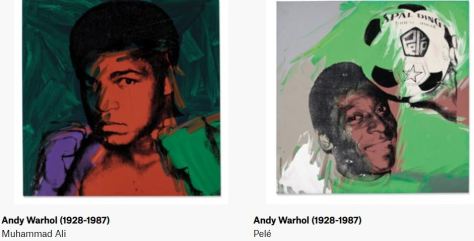
In 1977, Richard L. Weisman approached his friend Andy Warhol with the idea for a new series: a set of silkscreen portraits of the day’s leading sports stars. Called ‘Athletes’, these pictures have come to be regarded as some of the standout works of Warhol’s later years.

Weisman (1940-2018) was a dedicated collector, and the two men bonded mostly over art, although they also crossed paths regularly at social gatherings across New York. On some occasions, these gatherings were held at Warhol’s Factory studio; on others, at Weisman’s apartment on United Nations Plaza.
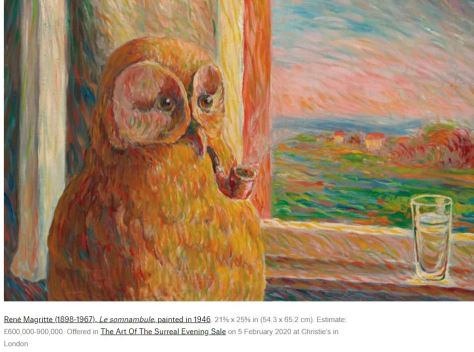

 Adams’ ‘visualisation’ strategy marked a shift away from Pictorialism, a much more manipulated photographic style, which had influenced his early work. His desire for sharper focus and deeper tone and contrast (he called it ‘an austere and blazing poetry of the real’) led to him becoming a leading figure in pure — or straight — photography.
 Shortly after George Orwell’s death in 1950, his widow Sonia was visited in London by two representatives of the American film producer, Louis de Rochemont. They sought the rights to Orwell’s novel from five years earlier, Animal Farm. It’s said Sonia took some convincing but eventually agreed, on the promise that de Rochemont would introduce her to her hero, Clark Gable.
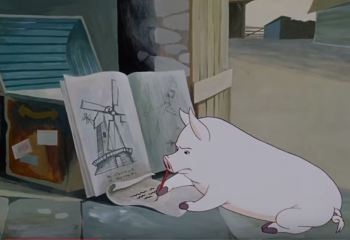 A conventional, live-action adaptation was out of the question given that the book’s main characters were farmyard animals, so an animated movie was decided upon instead. De Rochemont chose to have it made in the UK rather than the US — partly because of lower production costs, partly because he admired the work of British husband-and-wife duo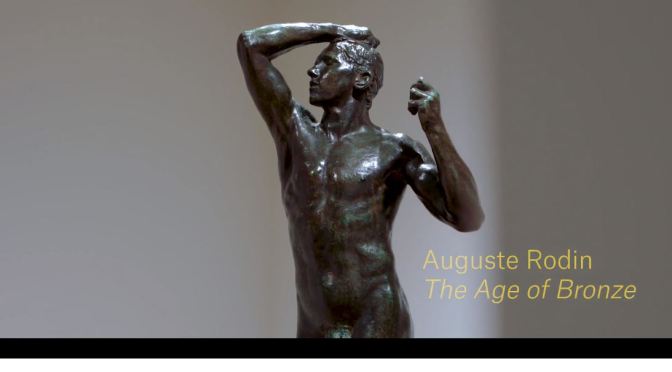
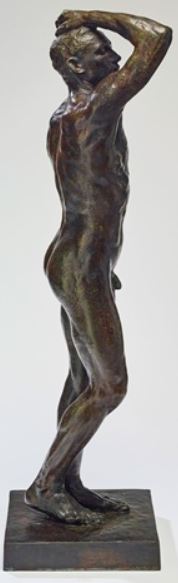 Rodin first exhibited a bronze and a plaster version of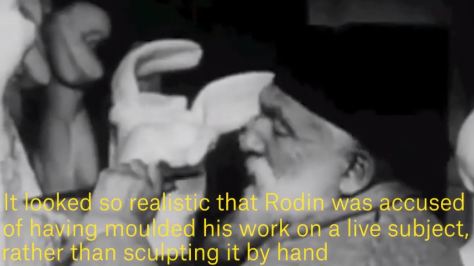
 Boomers Daily