
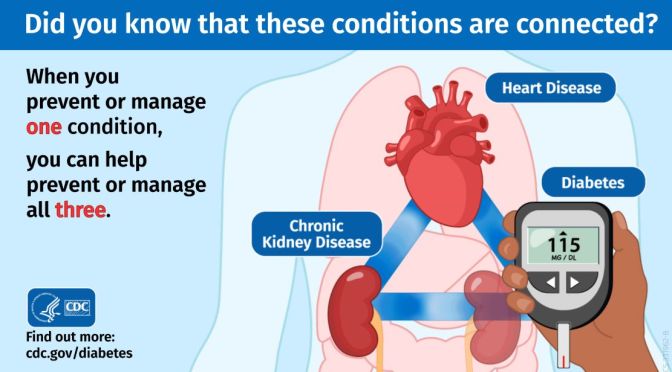


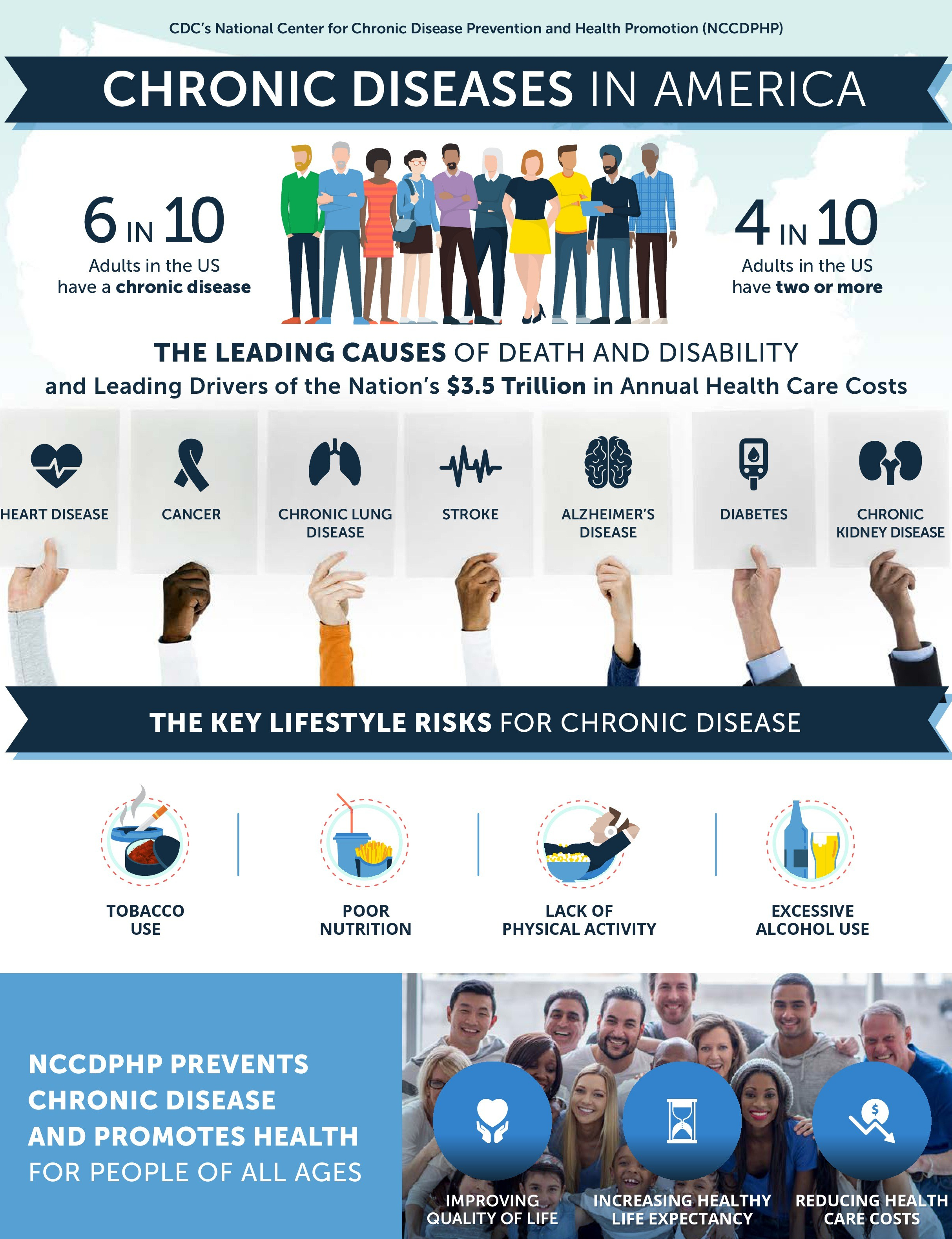
The relationship between chronic kidney disease (CKD), diabetes, and heart disease is one example of the ways our organs are connected.
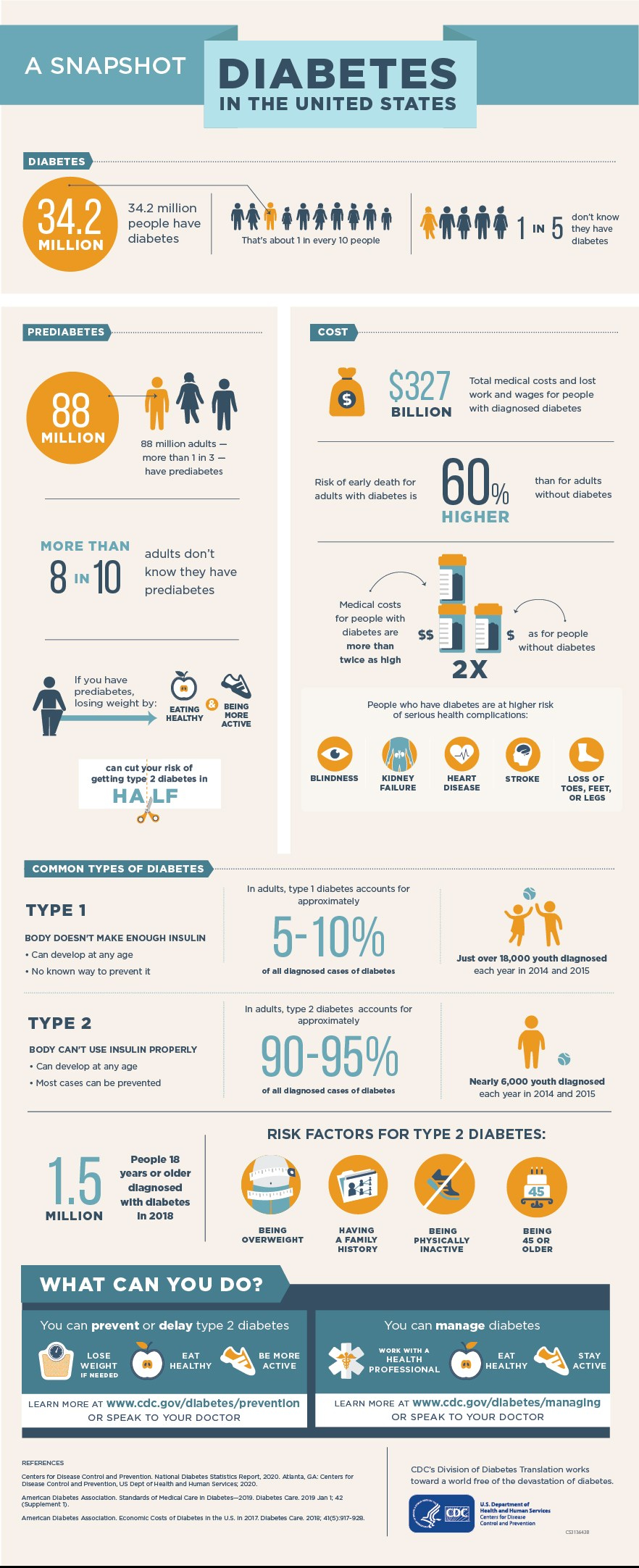
The body uses a hormone called insulin to get blood sugar into the body’s cells to be used as energy. If someone has diabetes, their pancreas either doesn’t make enough insulin or can’t use the insulin it makes as well as it should.
If someone has CKD, their kidneys are not able to filter out toxins and waste from their blood as well as they should.
Heart disease refers to several types of heart conditions. The most common condition, coronary artery disease, leads to changes in blood flow to the heart, which can cause a heart attack.
Make the Connection
So how are these three conditions connected? Risk factors for each condition are similar and include high blood sugar, high blood pressure, family history, obesity, unhealthy diet, and physical inactivity.
High blood sugar can slowly damage the kidneys, and, over time, they can stop filtering blood as well as they should, leading to CKD. Approximately 1 in 3 adults with diabetes has CKD.
When the kidneys don’t work well, more stress is put on the heart. When someone has CKD, their heart needs to pump harder to get blood to the kidneys. This can lead to heart disease, the leading cause of death in the United States. Change in blood pressure is also a CKD complication that can lead to heart disease.
Luckily, preventing or managing one condition can help you prevent and manage the others and lower the risk for more complications.

 This week, the Trump administration ordered hospitals to bypass the Centers for Disease Control and Prevention send all coronavirus-related data straight to the Department of Health and Human Services. This is just the latest step in President Trump’s war on public health experts.
 The World Health Organization recently acknowledged that some evidence about in-room transmission is worrisome. In addition, after analyzing a transmission event at a restaurant in China, the US Centers for Disease Control and Prevention (CDC) concluded that an asymptomatic patient transmitted the virus to families at two nearby tables.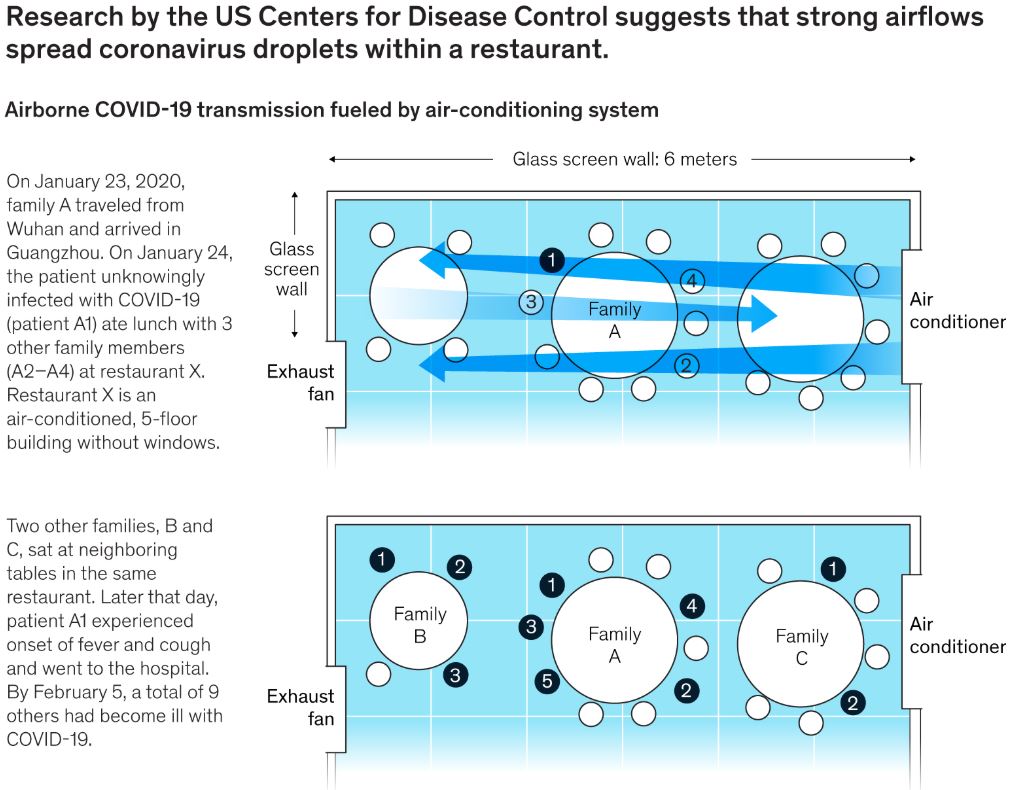
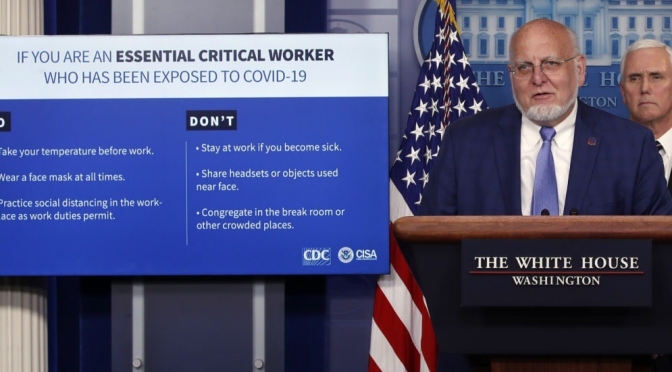
 Historically, the U.S. Centers for Disease control and Prevention has been the agency in charge of predicting, and containing outbreaks of disease. But as Covid 19 ravaged the country, the agency took a backseat to the White House.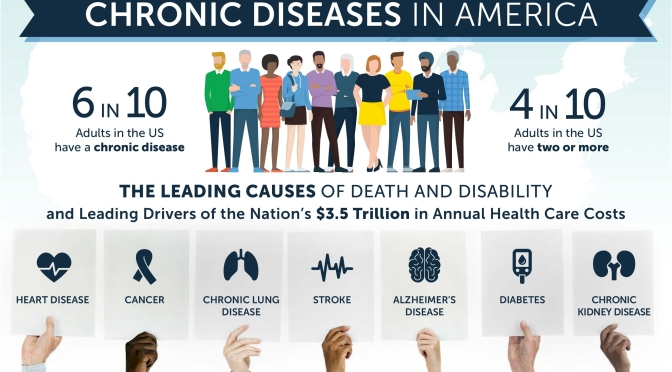
 Boomers Daily