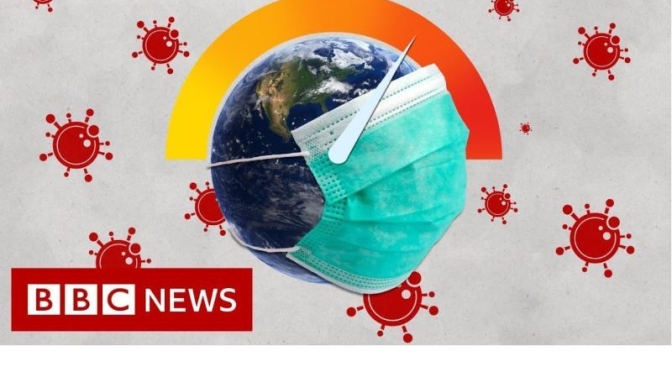
When Covid-19 sparked lockdowns around the world, emissions of one of the greenhouse gases responsible for climate change, atmospheric carbon dioxide, plummeted. But is this record drop a short-term effect of the 2020 pandemic or a ‘new normal’? BBC Weather’s Ben Rich explores the impact of coronavirus on the global climate.
From the race to roll-out coronavirus vaccinations around the world, to other concerns such as mental health and measles, BBC Health Reporter Smitha Mundasad looks at the health challenges facing the world in the next year.
South Koreas Lantern Festival has won the Unesco Intangible Cultural Heritage status. It’s an annual festival that dates back centuries and it marks the birthday of Buddha. All across the country you’ll find colourful lanterns decorating temples, houses and streets and there also are large parades with elaborate floats. Unesco said the spring festival was “a time of joy” which “in times of difficulties, plays an important role in…helping people overcome the troubles of the day.” Unesco’s Intangible Cultural Heritage status aims to protect traditions, knowledge and skills which are often inherited through generations, so they are not lost or forgotten as time moves on.
The Great Barrier Reef is the world’s largest coral reef system composed of over 2,900 individual reefs and 900 islands stretching for over 2,300 kilometres over an area of approximately 344,400 square kilometres. The reef is located in the Coral Sea, off the coast of Queensland, Australia.
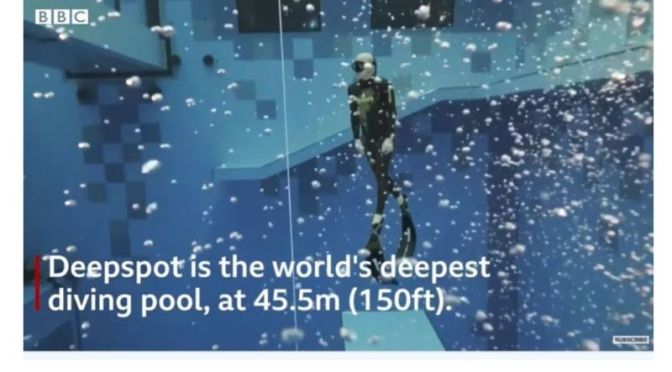
Deepspot is a diving pool that goes 45.5m (150ft) down and provides a space for divers to train. It includes a ship wreck and separate chambers for divers to explore. Deepspot’s president said he hopes the pool will also be used for training by firefighters and the army, not just scuba divers.
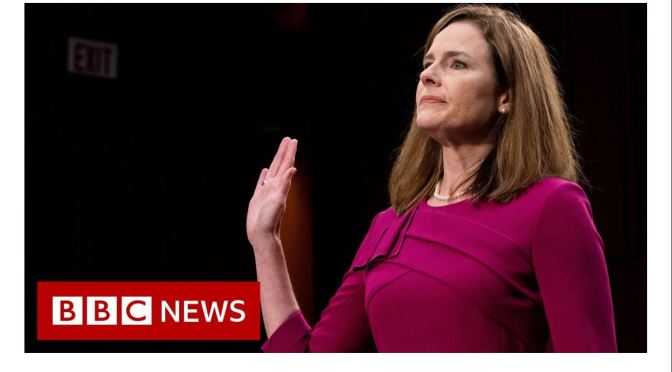
US Supreme Court nominee Amy Coney Barrett has said she is “honoured and humbled” to be President Trump’s pick for a place in the top court during a tense Senate confirmation hearing.
The 48-year-old conservative jurist vowed to judge legal cases impartially. But her selection so close to the 3 November presidential election has sparked a fierce political battle.
The panel’s Republican chairman has predicted a “contentious week” of questioning ahead. Judge Barrett’s approval would cement a 6-3 conservative majority on the nine-member court, altering the ideological balance of the court for potentially decades to come.
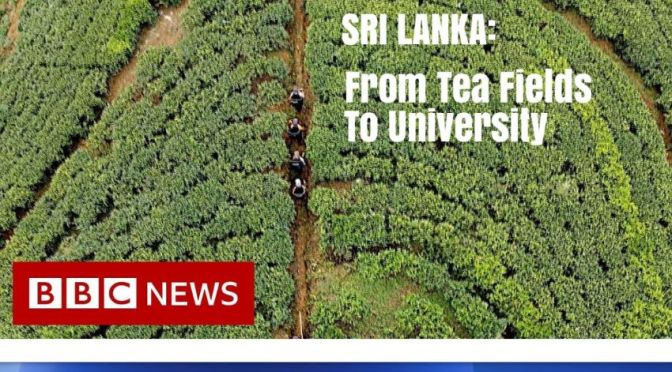
Sri Lanka is one of the world’s top exporters of tea. It’s picked by women whose ancestors came from southern India and who live and work on isolated plantations, often in poor conditions. Their children are given limited access to higher education. But in a remote hillside plantation in Kandaloya, a group of girls have become the first in their estate to go to university.
Sri Lanka, officially the Democratic Socialist Republic of Sri Lanka, is an island country in South Asia, located in the Indian Ocean southwest of the Bay of Bengal and southeast of the Arabian Sea. It is geographically separated from the Indian subcontinent by the Gulf of Mannar and the Palk Strait.
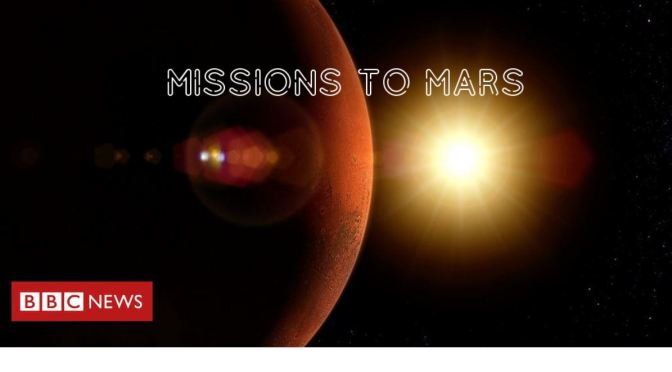
Why are there so many attempts to get to Mars at the moment? The United Arab Emirate’s Hope satellite was despatched last week and now China has launched its first rover mission to the red planet. Nasa’s Perseverance Rover is scheduled to take off on 30th July. Well, summer 2020 is a popular time for missions to the red planet because of the way the planets align – but how long does it take to get there? Landing on Mars is known as the “seven minutes of terror”, and there are lots of reasons why. Here BBC Science Correspondent Laura Foster explains how long it takes to get there and why it’s so difficult. Video by Megan Fisher, Terry Saunders and Laura Foster
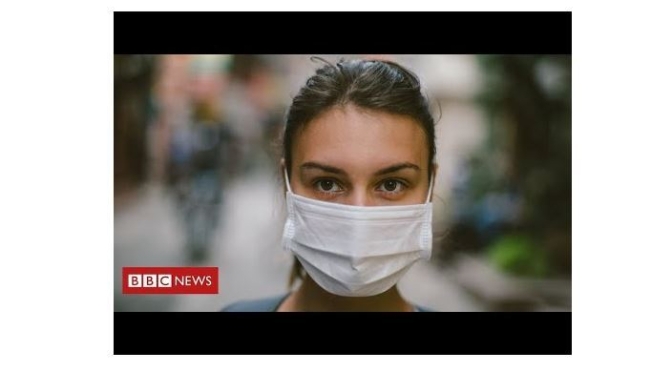
New research suggests that face masks may offer more protection against coronavirus infection than previously thought. It suggests that coughs and sneezes may be projected much further than scientists had thought possible. The World Health Organisation is considering whether to update its guidance on face masks and the White House may recommend that Americans wear them. Meanwhile in the UK hospitality companies are turning their skills to help those in need. And for the second week in a row, applause has rung out from members of the public showing gratitude to NHS staff and other workers helping to keep the country going. Sophie Raworth presents BBC News at Ten coverage from Science Editor David Shukman and Social Affairs Correspondent Alison Holt.
As coronavirus continues to spread around the world, face masks are in high demand as people look for ways to protect themselves. But do they really protect most people from contracting the virus? Dr Shunmay Yeung from London School of Hygiene and Tropical Medicine explains.
News, Views and Reviews For The Intellectually Curious




 Boomers Daily