
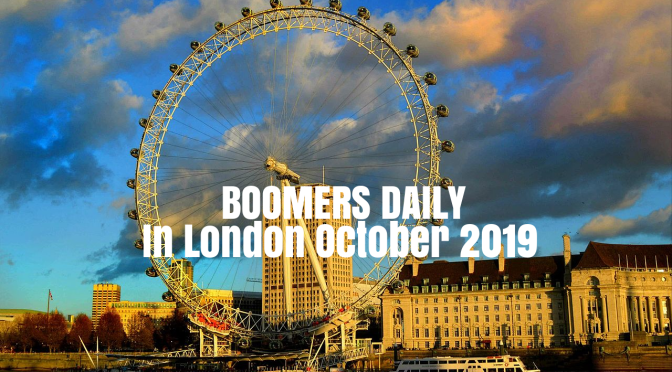
Early morning start from Tower Hill Station to Westminster. The weather is chilly but sunny.

A police officer directed us to a great breakfast at The Hub on Tothill St., just two blocks from the Abbey. All you can eat for 6 pounds. Great food.
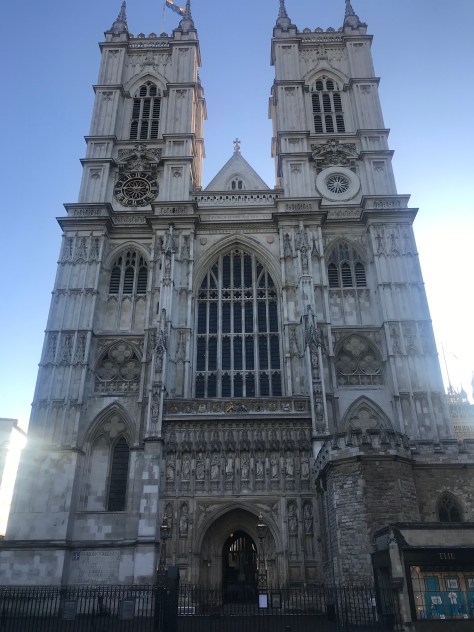
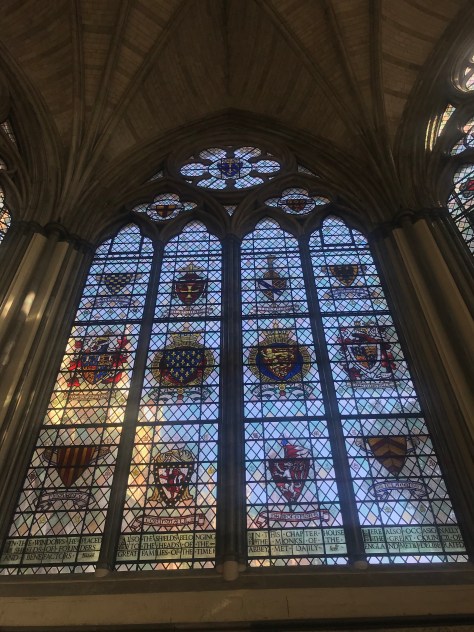
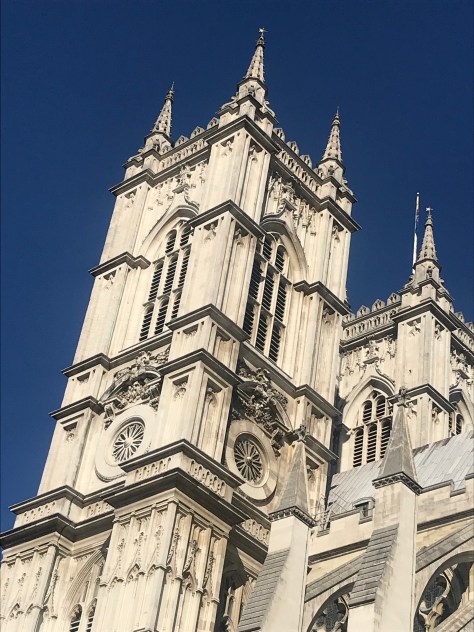
We walked back and after a short wait in line entered Westminster Abbey. Beautiful church and tour. No photos inside. Outside tour was very nice.

Walked over to Buckingham Palace to tour the Mews.
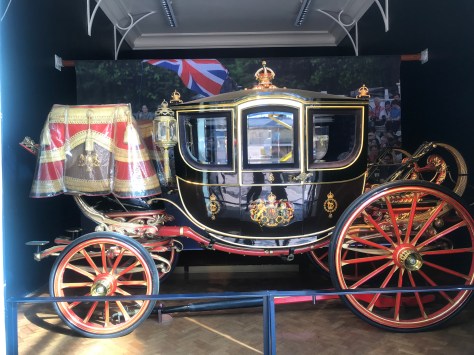


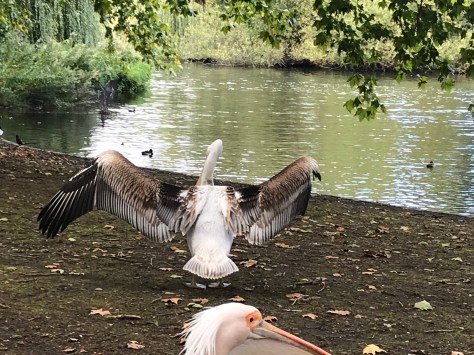
Very nice exhibit. Then a stroll down the Birdcage Walk to see the park and pelicans.

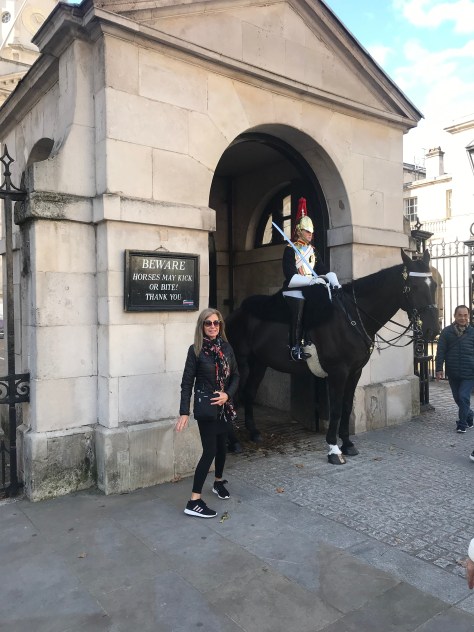
Continued on to the Household Cavalry Guard.

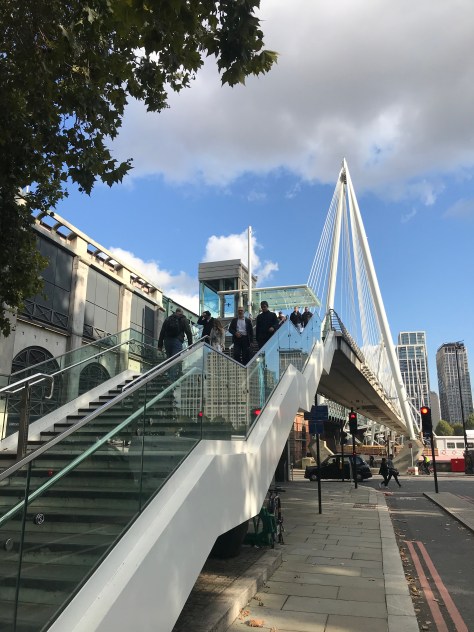
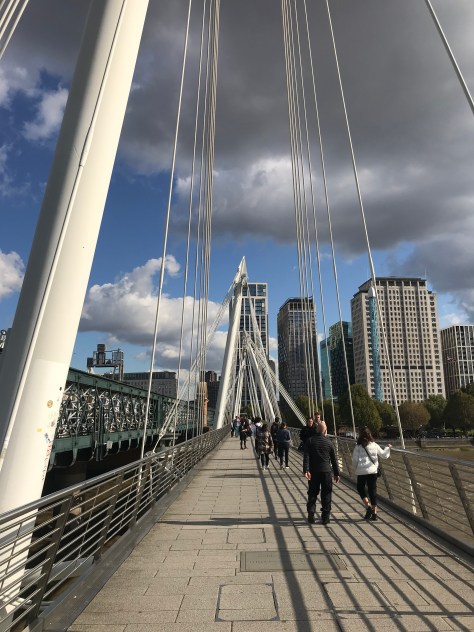
Then walked over the Golden Jubilee Bridge to South Bank.

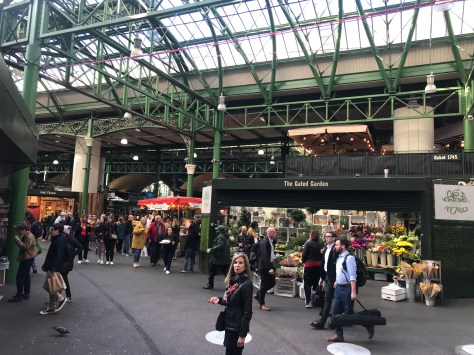
Walked east towards The Globe and then an early dinner at Borough Market.


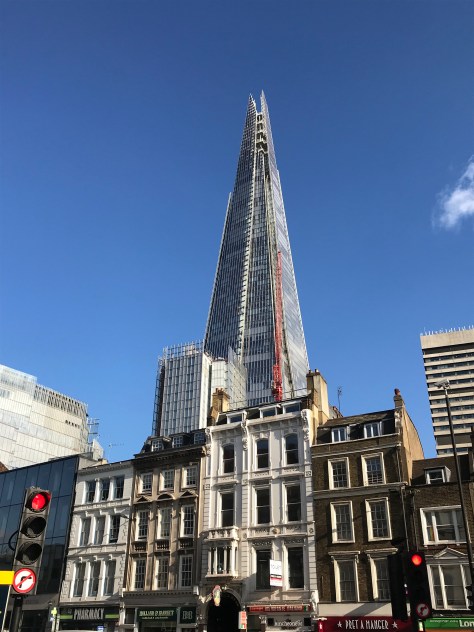
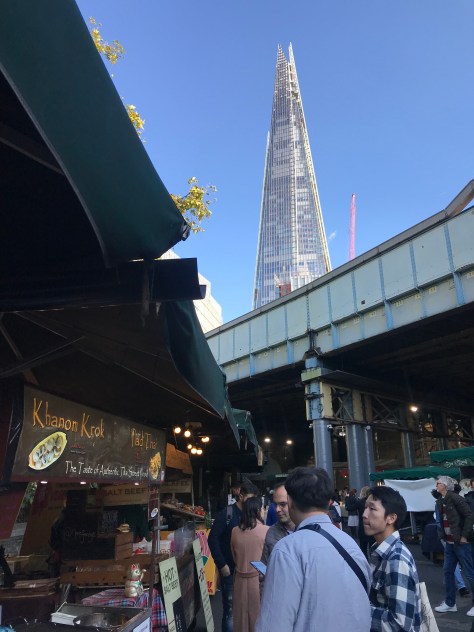
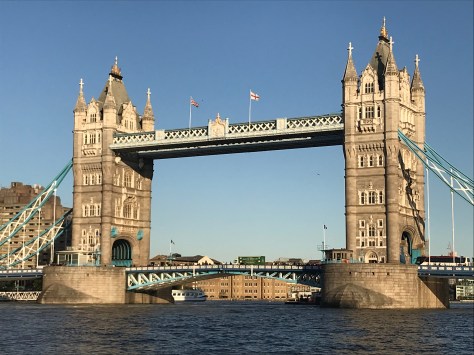
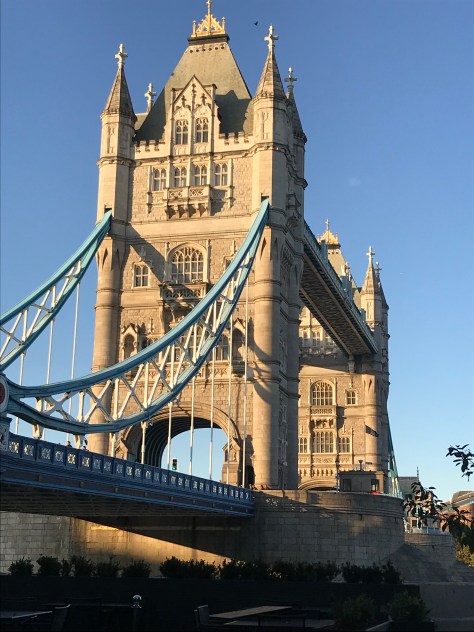
A quick walk by the Shard and over to the Tower Bridge to complete the day.



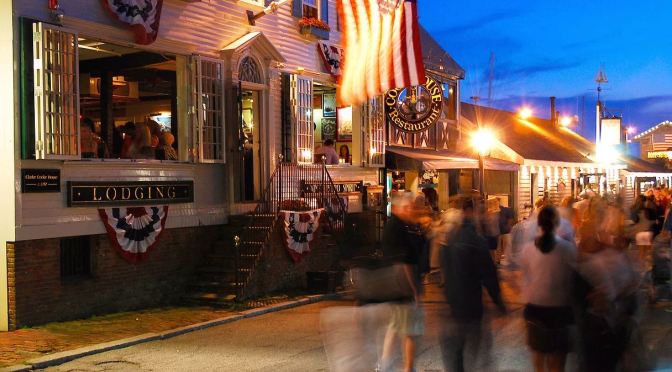
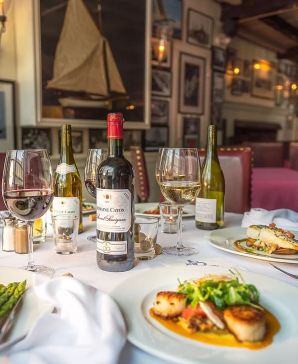 …hosts to royalty and yachting stars, captains of industry and charming scalawags, to occasions whimsical and outrageous. Whether a quiet dinner or late night revelry, our goal has always been to provide great food, professional service, and a sophisticated environment. The Clarke Cooke House lends its unique charm to any celebration or meeting, whether a victorious America’s Cup crew or family gathering – our dining room and porches are the perfect Newport setting.










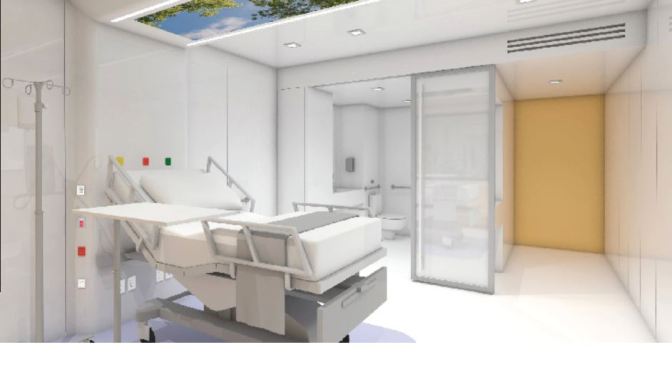
 EIR Healthcare collaborates with each hospital to customize the optimal space. Through our technology and design, doctors, nurses and any healthcare professional interacting with patients in a MedModular room are equipped to provide nothing short of excellence within every interaction. EIR Healthcare was presented with a 2018 iF Design Award for our “Hospital of the Future” professional concept.


















 Boomers Daily