
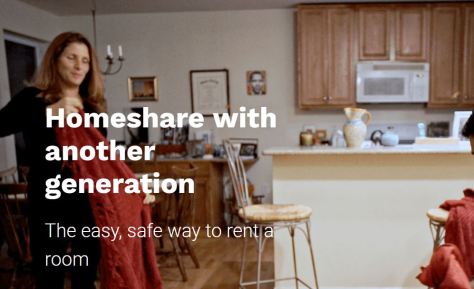
 In Boston, a web app called “Nesterly” matches would-be renters with people who have a room to spare and could use a little help around the house.
(NPR Podcast Series)
Website: https://www.nesterly.io/

In Boston, a web app called “Nesterly” matches would-be renters with people who have a room to spare and could use a little help around the house.
(NPR Podcast Series)
Website: https://www.nesterly.io/
From a Forbes.com article by Jennifer Castenson:
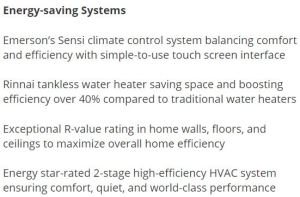 “Slate Homes can take advantage of small projects in remote locations that other builders wouldn’t be able to. For instance, taking on a 12 home pocket community in a small resort town in North Carolina will help Geehan ramp up scale. Some builders take the work to the market, but Slate takes the home to the market.”

Website: https://slate-homes.com/
To read entire article click on following link: https://www.forbes.com/sites/jennifercastenson/2019/07/08/going-mobile-what-can-southwest-airliness-success-teach-housing/#71fa0bb57737
From a Pymnts.com posted article:
 “Umbrella is an app that’s meant to connect these people with each other, through a marketplace with a membership model. The app lets seniors sign up for “jobs” and provide their services, like mowing a lawn or painting a fence.
The jobs are charged around $20 an hour, and Umbrella keeps $4 of that. The neighbors can choose to make less money, and the difference goes toward cheaper work for lower-income seniors.
Umbrella costs $199 a year to join. The startup was co-founded by CEO Lindsay Ullman and President Sam Gerstenzang. Both worked at Sidewalk Labs previously, among other places.”

Umbrella website: https://www.askumbrella.com/
To read more on article: https://www.pymnts.com/mobile-applications/2019/community-boomer-app-umbrella-raises-5-million/
From an InterestingEngineering.com article:
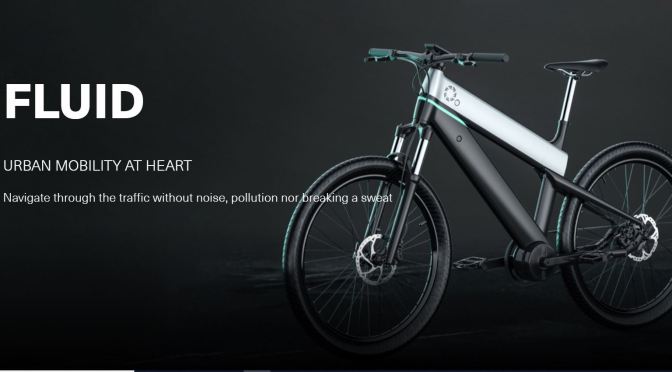
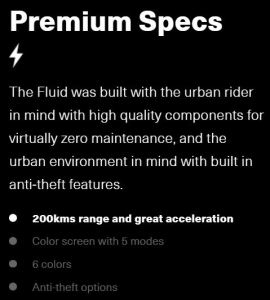 That 200 kilometers estimated travel range is accomplished through the use of two 504Wh batteries for a total capacity of 1008Wh, which are seamlessly integrated into the FUELL FLUID’s durable and sturdy custom-aluminum-alloy frame. The batteries are easy to remove and simple to charge, reaching 80% of its charge within 2.5 hours and a full charge at 5.
Electric Vehicles are generating a lot of hype right now and for good reason.
They’re zippy, environmentally friendly, have decent travel ranges, and can be easily plugged in and recharged overnight at home. So it’s no surprise why Electric Vehicles over the last decade have become increasingly popular and sought after way to travel and commute.
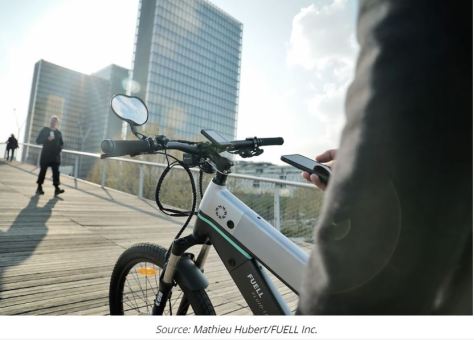
As the popularity of electric transportation soars, companies find new and innovative ways to ensure that the batteries powering them become more efficient, lightweight and compact. In fact, battery technology has progressed to the point where batteries capable of powering motors can be fitted onto bicycles, and that’s where the FUELL Fluid E-Bike comes in.
Read full article by clicking below:
From Nature.com podcast on July 10, 2019:
 Nick Howe catches up with planetary science reporter, Alex Witze. They discuss the latest US plans to land people on the moon by 2024, the history of the Apollo missions, and what’s next for the lunar exploration.
From Forbes.com article by Biz Carson:
 Davidson’s (Sonder’s) vision starts with offering apartment-style units that provide the consistent service of a hotel—with tweaks such as smartphone-only check-in. Its properties are listed on Airbnb (as well as Booking and Expedia), so families, friends or business travelers can book. Only one third of guests are business travelers, Davidson says.The extra cash will help him achieve this vision of becoming the dominant brand and also keep it the largest in the space, where it competes with Airbnb-backed Lyric, plus Domio and StayAlfred, among others.
Click on “SONDER” link below to check out website:

To read more click on link below:
“Virtual care has great potential for the routine treatment of chronic conditions, as well as minor acute illnesses like rashes and ear infections. Digital sensors already make it possible to monitor blood glucose, heart rhythm, blood pressure, temperature, and sleep.”
 From time immemorial, an invariable feature of doctor–patient interaction has been that it takes place in person. But the status quo is changing. A large portion of patient care might eventually be delivered via telemedicine by virtualists, physicians who treat patients they may never meet.
The burden of disease has changed dramatically in the past century, shifting from acute infectious illnesses to chronic diseases. Clinic visits are poorly suited for the treatment of chronic diseases, yielding only single-point measurements of labile, continuous variables like blood pressure. Within the time constraints of an office visit, it can be difficult for the physician to make an accurate diagnosis, much less educate the patient about treatment and self-care. And after the patient leaves the doctor’s office, only limited monitoring of the condition is usually possible, without a return visit.

“The development of these battery-free technologies will revolutionize implantable devices,” says Ramses Martinez, a researcher in industrial and biomedical engineering at Purdue University, who was not involved in either study. “Soon traditional rigid implants will evolve into conformable systems capable of harvesting the energy they need to function from the patient.”
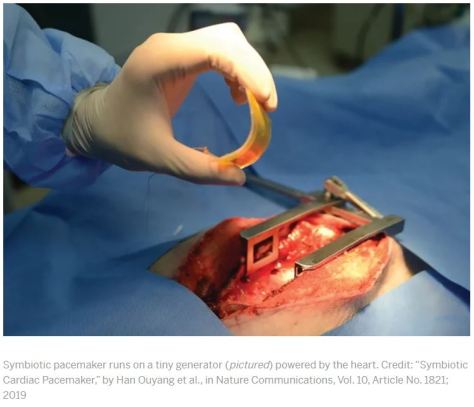
Current pacemakers have batteries that last less than 10 year and require expensive surgery to replace them. Harini Barath (Scientific American, May 28, 2019) reports that the pig’s heart generated ample energy to power a human pacemaker. Read more below:
https://www.scientificamerican.com/article/new-pacemaker-harvests-energy-from-the-heart/






 Boomers Daily