

Category Archives: Science
Science: Longer Lives And Slower Mutations, The Largest Galaxy Structure
For biologists, a long-standing question has been why some animals live longer than others. This week a team have attempted to answer this, by measuring the rates that different animal species accumulate mutations. They show that longer-lived animals acquire mutations at a slower rate, which helps to explain why cancer risk does not scale with lifespan.
07:56 Research Highlights
A clinical trial suggests a change to the treatment of a pregnancy ailment, and astronomers identify the largest known structure produced by a single galaxy.
Research Highlight: Ambitious trial inspires a rethink on a common ailment of pregnancy
Research Highlight: Even among ‘giant’ galaxies this one is record-setting
10:43 The war in Ukraine’s effects on global energy
Many European countries are dependent on Russian fossil fuels for energy production. Following Russia’s unprovoked invasion of Ukraine, these countries are looking to wean themselves off these fuels, which could have short- and long-term impacts on emissions and food production.
Feature: What the war in Ukraine means for energy, climate and food
Editorial: The EU can simultaneously end dependence on Russia and meet climate goals
Editorial: The war in Ukraine is exposing gaps in the world’s food-systems research
19:58 A new measurement of a particle’s mass hints at new physics
Last week, a new estimate of the W boson’s mass caused much excitement among physicists. The result suggests that this particle is heavier than theory predicts, a finding that could be the first major breach in the standard model of particle physics. However, measuring W bosons is notoriously tricky, and further work will be needed to confirm the finding.
News: Particle’s surprise mass threatens to upend the standard model
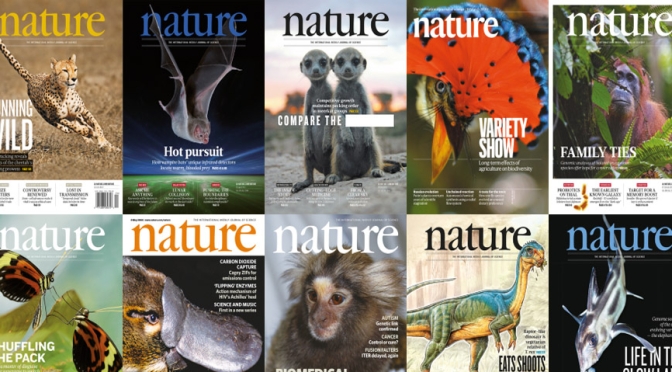
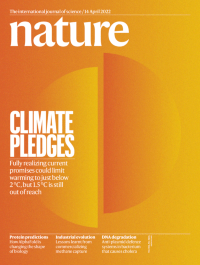
Cover Previews: Nature Magazine – April 14, 2022
- Editorial | 12 April 2022The war in Ukraine is exposing gaps in the world’s food-systems researchRussia’s invasion is the latest threat to the stability of world food supplies. Researchers must act now to halt the cycle of repeated food crises.
- Editorial | 13 April 2022Global science must stand up for Iran’s imprisoned scholarsIranian researchers are at risk as never before. Governments are urging quiet diplomacy. But a new book shows why public campaigns matter.
- World View | 12 April 2022University culture wars over race theory recall 1920s fight to teach evolutionArguments for quality work better than quibbles over facts.
- Adam Laats
- Research Highlight | 04 April 2022The miniature mice locked in an evolutionary battle of the sexesThe African pygmy mouse, which weighs only 3–12 grams, has a complicated sex-determination system that pits males against females.
- Research Highlight | 04 April 2022Your morning coffee is served up by the birds and the beesExcluding the winged creatures from the branches of coffee plants meant fewer flowers and smaller fruit.
- Research Highlight | 06 April 2022Keeping it cool: a laser delicately carves up a crystal without heatingLight-sensitive dye molecules make a crystalline material sliceable.
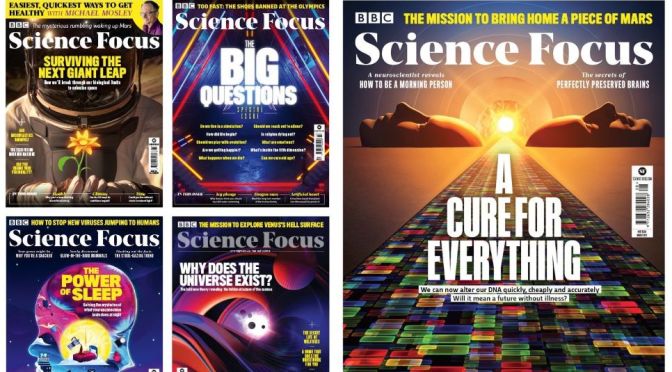
Previews: Science Focus Magazine – April 13, 2022

The race for the Moon
No human has set foot on the Moon for decades. But an armada of exciting new missions are set to explore the lunar surface once more.
The DNA detective
The consumer genetic testing kits hitting the shelves have allowed scientists to piece together our family trees better than ever before. Geneticist Prof Turi King tells us more.
Fit to burst
Inflation is a pretty useful tool in nature. Zoologist Jules Howard takes a closer look at some of the incredible animals that can blow themselves up like balloons.
The Hitchhiker’s Guide to the Metaverse
What is the metaverse, can anyone visit, and where’s the best place to go?
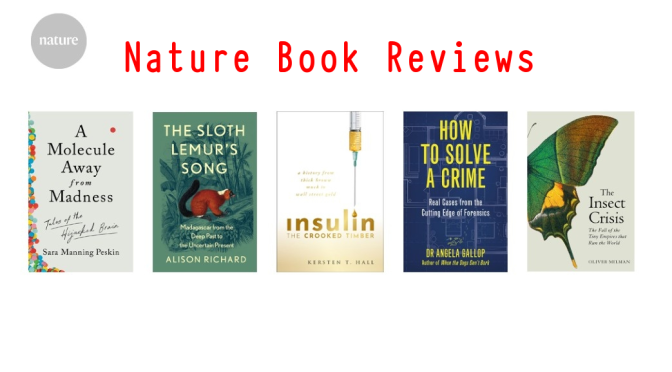
Reviews: Top New Science Book Picks (Nature)
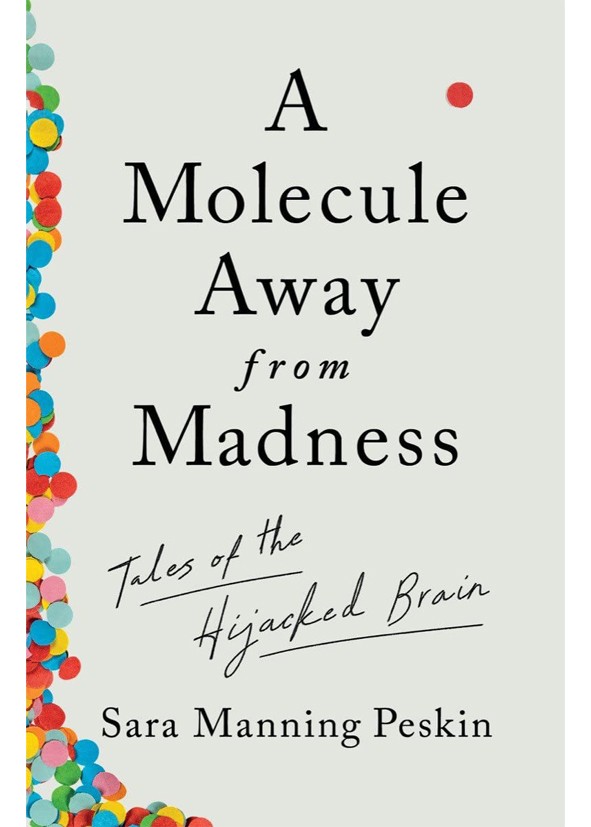
A Molecule Away from Madness
Sara Manning Peskin W. W. Norton (2022)
Even before COVID-19 increased the risks of cognitive impairments, it had been estimated that 152.8 million people globally would be living with dementia by 2050. Yet treatment for Alzheimer’s disease has hardly improved since it was discovered in 1901, notes neurologist and dementia specialist Sara Manning Peskin. Now, most clinical trials tackling dementia are “deeply rooted in molecular data”. Peskin’s powerful study — immersed in her patients’ stories — analyses neurology’s attempt to reach oncology’s molecular understanding.
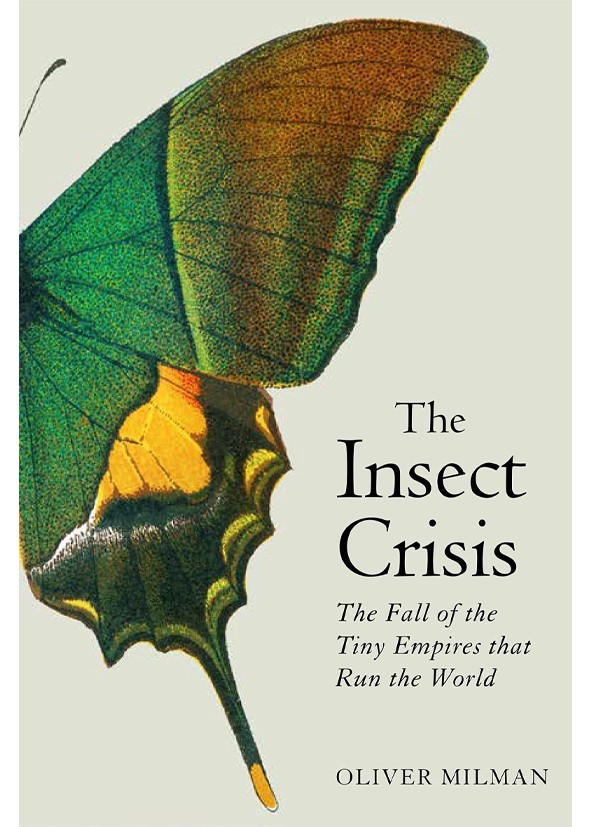
The Insect Crisis
Oliver Milman Atlantic (2022)
Insect decline is obvious — but hard to quantify. Environmental journalist Oliver Milman suggests a drop of more than 90% in some places, in his vivid alarm call. The causes are unclear, but include habitat destruction by intensive farming, pesticide use and climate change. Insects’ “intricate dance” with Earth’s environment makes them crucial to human food supplies. We should learn to eat them, not meat, suggests Milman: that will help to save them by freeing farmland from crops needed to feed livestock.
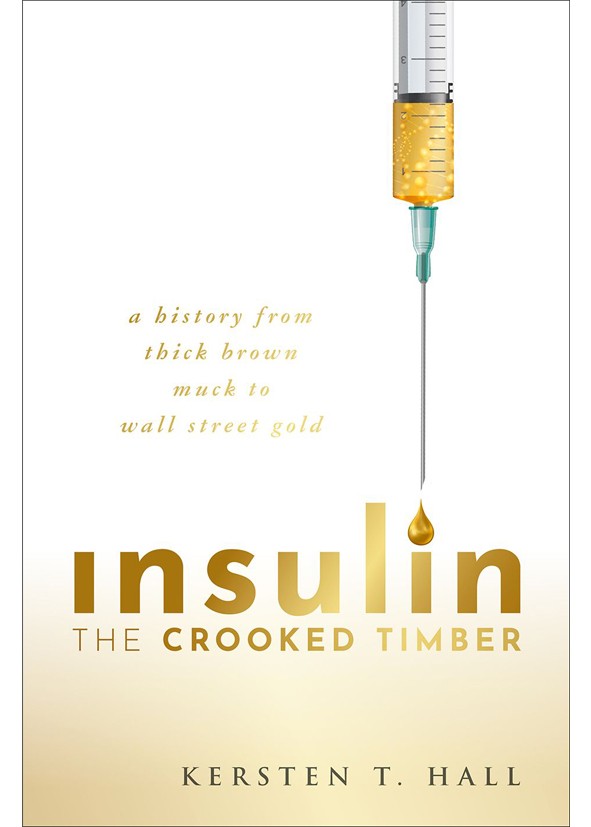
Insulin — The Crooked Timber
Kersten T. Hall Oxford Univ. Press (2022)
Insulin was first used to treat human diabetes 100 years ago, after it was isolated by two medical scientists in 1921. Historian of science Kersten Hall describes this transformative event, together with insulin’s development as the first drug produced by genetic engineering and its lucrative exploitation — using a blend of profound research, lively writing and personal knowledge of diabetes. He argues that the history is a tale not of geniuses or saints, but rather one of “monstrous egos, toxic insecurities and bitter career rivalry”.
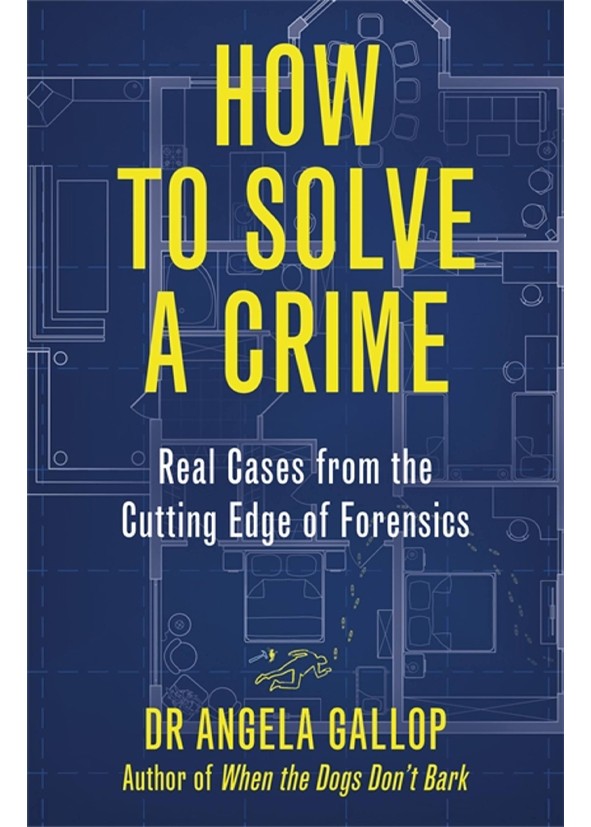
How to Solve a Crime
Angela Gallop Hodder & Stoughton (2022)
More than a century ago, criminologist Edmond Locard established forensic science on the principle that “every contact leaves a trace”. The field’s current sophistication and contribution to justice would be beyond his “wildest imaginings”, writes forensic scientist Angela Gallop. She tells gripping stories from her own and others’ experience, beginning with thirteenth-century Chinese investigator Sung Tz’u. He identified a farmer’s killer by asking fellow villagers to put their sickles on the ground; flies alighted on one blade bearing traces of blood.
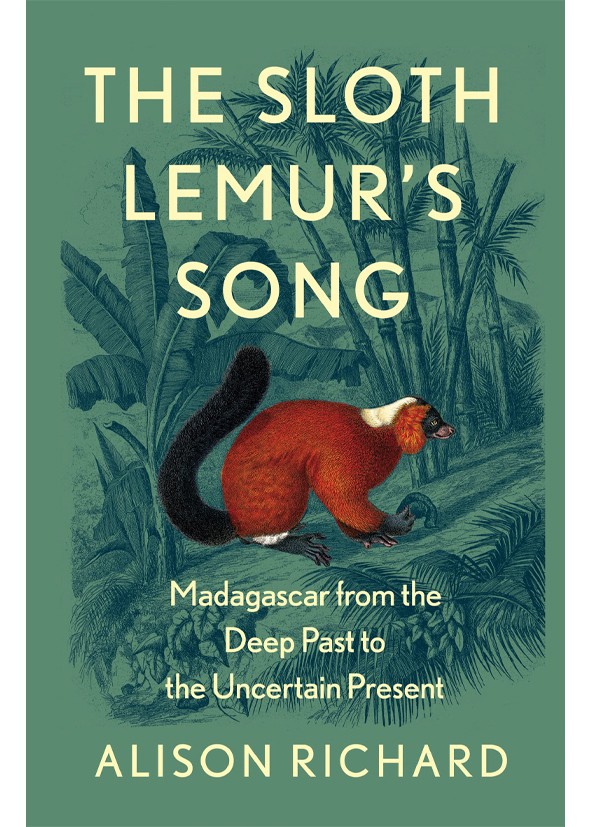
The Sloth Lemur’s Song
Alison Richard William Collins (2022)
Anthropologist and conservationist Alison Richard has been absorbed by Madagascar for half a century. She writes that the country’s “animals and plants offer a wonderful array of rabbit holes down which a person fascinated by the natural world could disappear for a lifetime”. Why, for example, does its largest lemur sing spellbindingly across the treetops with its mate for many minutes? And what environmental conditions created the island’s unique — now disastrously threatened —
Previews: Science News Magazine – April 9, 2022
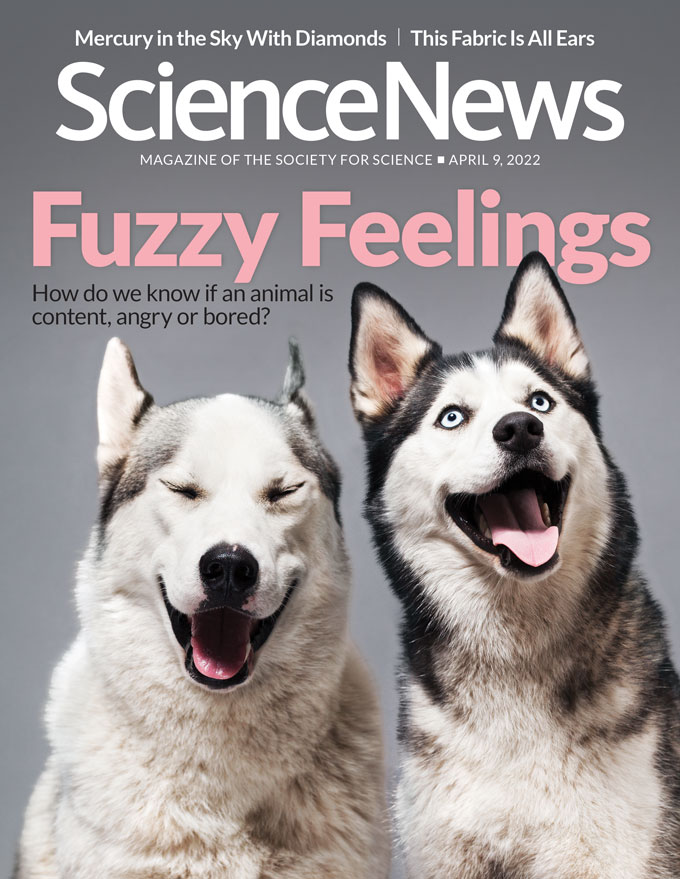
COVER STORY
How do we know what emotions animals feel?
Animal welfare researchers are studying the feelings and subjective experiences of horses, octopuses and more.
Diamonds may stud Mercury’s crust
By Nikk Ogasa
This fabric can hear your heartbeat
Science: New W Boson Particle Measurement, Marine RNA Viruses
On this week’s show: A new measurement of the W boson could challenge physicists’ standard model, and an abundance of marine RNA viruses.
Staff Writer Adrian Cho joins host Sarah Crespi to discuss a new threat to the standard model of particle physics—a heavier than expected measurement of a fundamental particle called the W boson. They chat about how this measurement was taken, and what it means if it is right.
Next, Sarah talks about the microscopic denizens of Earth’s oceans with Ahmed Zayed, a research scientist in the department of microbiology at Ohio State University, Columbus. They talk about findings from a global survey of marine RNA viruses. The results double the number of known RNA viruses, suggesting new classifications will be needed to categorize all this viral diversity.
Cover Preview: Science Magazine – April 8, 2022
Preview: New Scientist Magazine – April 9, 2022
Cover Preview: Nature Magazine – April 7, 2022

 Boomers Daily