

 The first results from vaccine trials are in and they are encouraging, but scientists are still urging caution. We hear the lowdown on the types of vaccines being developed and what hope there is of rolling them out any time soon.
01:38 Trump vs the WHO
President Trump has given the WHO an ultimatum in a tweet, threatening to pull out of the organisation within 30 days unless unclear demands are met. We discuss what this means for the pandemic, the USA and the future of international health cooperation
12:06 Where are we with vaccines?
The first results from vaccine trials are in and they are encouraging, but scientists are still urging caution. We hear the lowdown on the types of vaccines being developed and what hope there is of rolling them out any time soon.
News: Coronavirus vaccine trials have delivered their first results — but their promise is still unclear
News: The race for coronavirus vaccines: a graphical guide
News: If a coronavirus vaccine arrives, can the world make enough?
25:20 One good thing
Our hosts pick out things that have made them smile in the last week, including hopeful antibody research, at-home sketch comedy and printable board games.
News: Potent human antibodies could inspire a vaccine
Video: Whiskers R we – SNL
Video:The wild affordable world of 1 Player Print’n’Play Games
Video:MORE of the Very Best Solitaire Print’n’Play Games
Video: Marble run league
Video: BBC goals at home (Only available in the UK)
30:04 The latest coronavirus research papers
Noah Baker takes a look through some of the key coronavirus papers of the last few weeks.
News: Coronavirus research updates
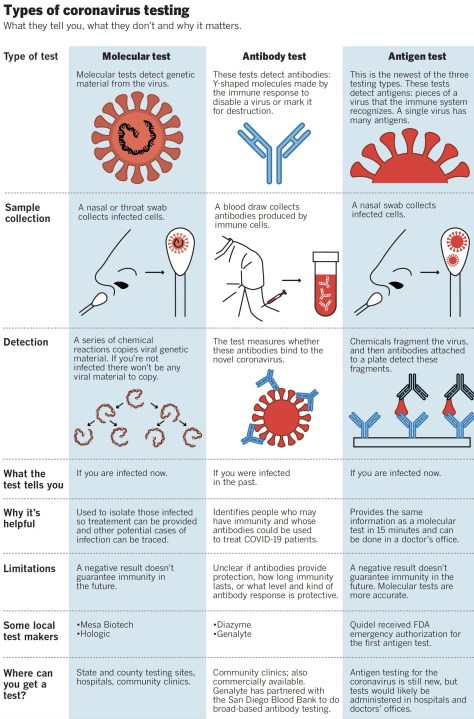
medRxiv: Saliva is more sensitive for SARS-CoV-2 detection in COVID-19 patients than nasopharangel swabs
Nature: Effect of non-pharmaceutical interventions to contain COVID-19 in China
Science: Changes in contact patterns shape the dynamics of the COVID-19 outbreak in China
New England Journal of Medicine:
 Online News Editor David Grimm talks with producer Joel Goldberg about the unique challenges of reopening labs amid the coronavirus pandemic. Though the chance to resume research may instill a sense of hope, new policies around physical distancing and access to facilities threaten to derail studies—and even careers.
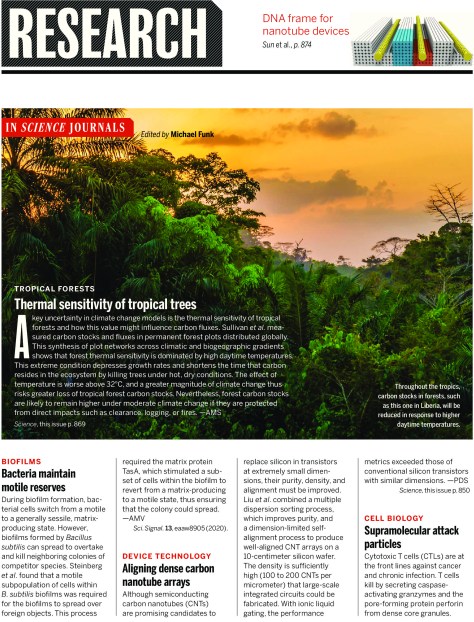

 This week, crafting an artificial eye with the benefits of a human’s, and understanding how disk-galaxies formed by peering back in time.
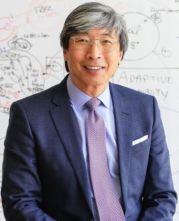 Colin Cowherd talks with Dr. Patrick Soon-Shiong who is not only a Doctor helping to fight Covid-19 but also owns the LA Times and is a minority owner of the Lakers. Dr. Shiong talks about the things we are learning about the disease and why it is so much more dangerous than previous pandemics.
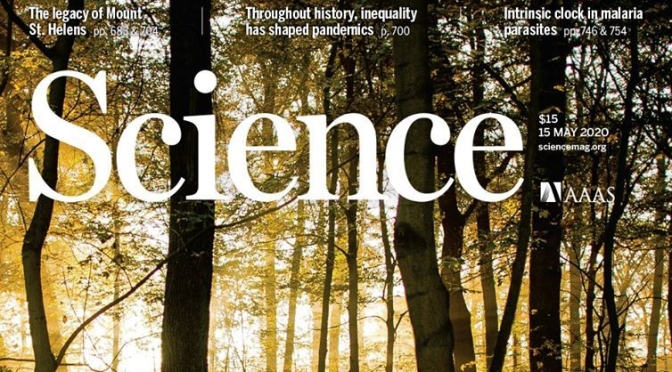
 Contributing Correspondent Lizzie Wade talks with host Sarah Crespi about the role of inequality in past pandemics. Evidence from medical records and cemeteries suggests diseases like the 1918 flu, smallpox, and even the Black Death weren’t indiscriminately killing people—instead these infections caused more deaths in those with less money or status.
  Boomers Daily