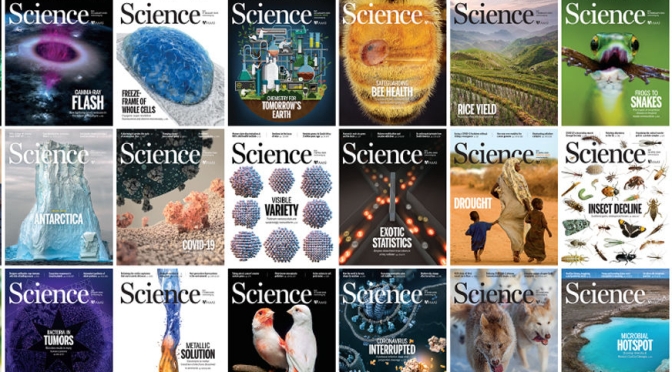
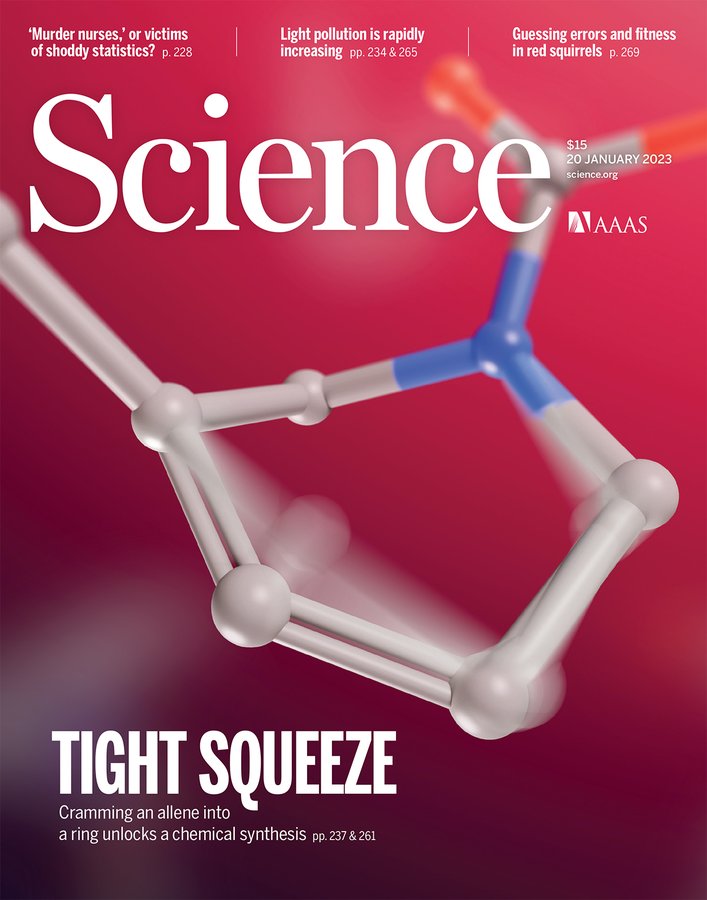
Science Magazine (January 27, 2023) – The Amazon forest is changing rapidly as a result of human activities, including deforestation for agriculture, such as these soybean fields in Belterra, Pará, Brazil. Remaining areas of forest are experiencing an increased incidence of fires, drought, and the effects of neighboring land uses. These changes threaten local biodiversity and communities and alter the global climate.
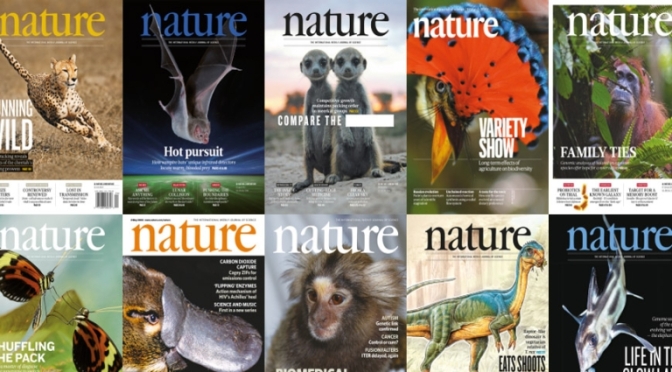
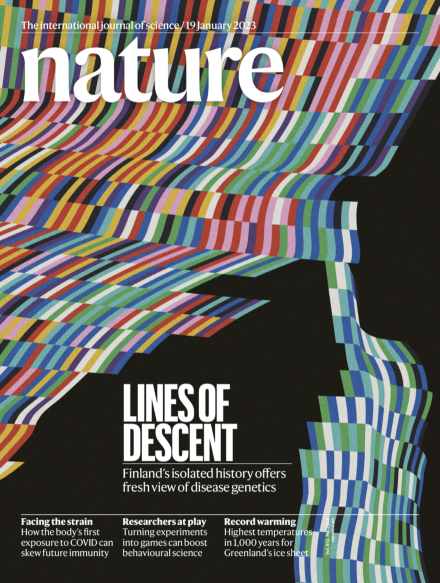
It’s unacceptable that millions living in poverty still lack access to safe water and basic sanitation. Nature Water will help researchers to find a way forward.
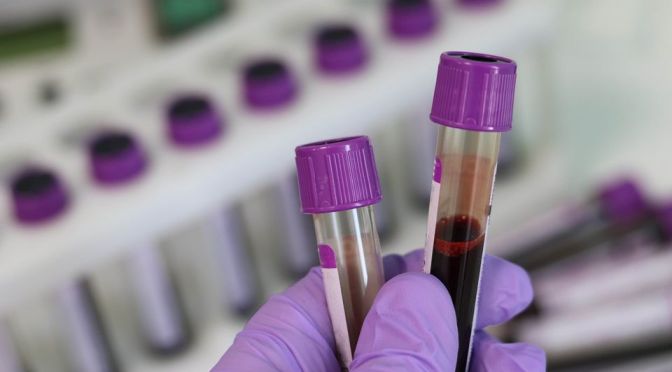
“Even more importantly, we’ve shown you can collect the blood drop at home and mail it into the lab,” saidMichael Snyder, PhD, director of the Center for Genomics and Personalized Medicine and senior author on the research, which was published in Nature Biomedical Engineering on Jan. 19.
Unlike finger-prick testing for diabetes, which measures a single type of molecule (glucose), multi-omics microsampling gives data about thousands of different molecules at once.
A single drop of blood can yield measurements for thousands of proteins, fats and other biomarkers, researchers at Stanford Medicine found.
The new approach combines a microsampling device — a tool used to self-administer a finger prick — with “multi-omics” technologies, which simultaneously analyze a vast array of proteins, fats, by-products of metabolism and inflammatory markers.
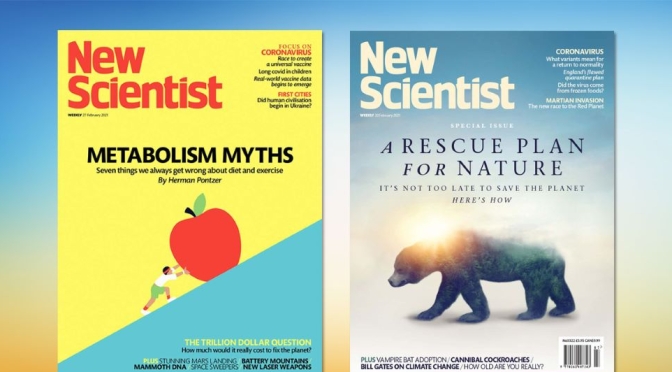
There’s a lot of hype surrounding the idea of a decentralised version of the internet that would give more power to ordinary users. Here’s what it would take to make it happen
By upending the idea that a chemical imbalance in the brain is behind depression, we are starting to understand some of its mysteries and develop better treatments
Where European eels start and end their lives was long a mystery, but an audacious expedition has finally revealed the last details of their incredible migration
A century ago, the discovery of hafnium confirmed the validity of the periodic table — but only thanks to scientists who stood up for evidence at a time of global turmoil.
Harvard Medical School – A 13-year international study in mice demonstrates that loss of epigenetic information, which influences how DNA is organized and regulated, can drive aging independently of changes to the genetic code itself.
It also shows that restoring the integrity of the epigenome reverses age-related symptoms.











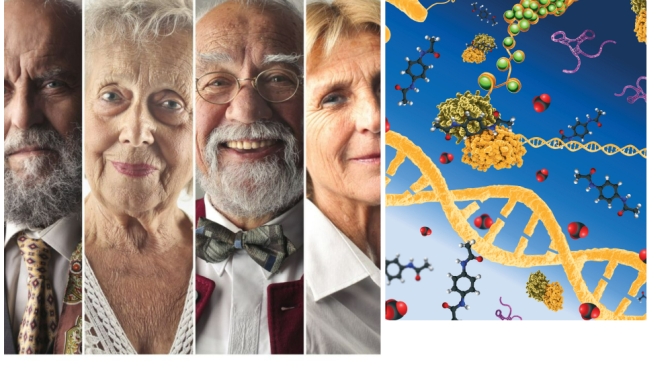
 Harvard Medical School – A 13-year international study in mice demonstrates that loss of epigenetic information, which influences how DNA is organized and regulated, can drive aging independently of changes to the genetic code itself.
  Boomers Daily