A.M. Edition for Aug. 6. WSJ’s Alison Sider discusses recent cases of disruptive airline passengers and how they can affect operations.
The CEO of Spirit Airlines apologizes for several days of flight cancellations. Some major business groups urge the Biden administration to open trade talks with China. And, how to handle an exit interview from your job. Marc Stewart hosts.
We get the latest from Lynne O’Donnell on the front line in Afghanistan and ask whether recent hijackings in the Persian Gulf are part of a concerted effort of Iranian foreign policy. Plus: is the far right on the rise in Italy?
Satellite imaging has shown population increases are 10x higher in flood prone areas than previously thought, and a new way to introduce fairness into a democratic process.
In this episode:
00:47 Calculating how many people are at risk of floods.
Researchers have used satellite imagery to estimate the number of people living in flood-prone regions. They suggest that the percentage of people exposed to floods has increased 10 times more than previously thought, and with climate change that number is only set to climb.
Citizens’ assemblies are small groups of people invited to come together to help inform and affect policy decisions. But deciding who is in these groups is a mathematical challenge — the process needs to be random, but still reflect social demographics. This week, researchers describe a new algorithm that could offer a solution.
We discuss some highlights from the Nature Briefing. This time, how ships could spread a deadly coral disease, and research shows that female scientists are less likely to be cited in elite medical journals.
A.M. Edition for Aug. 4. WSJ’s Jon Emont discusses what’s behind the economic challenges facing some parts of Asia amid a rise in the highly transmissible Delta variant of Covid-19.
The Biden administration implements a new federal moratorium on evictions. Spirit Airlines cancels more flights as it grapples with a dayslong operational meltdown. And, things to consider before quitting your job.
We get the latest from Myanmar with Asean under pressure to name an envoy to the country. Plus: we ask why Franco-UK relations are so poor and discuss official Olympic recognition for Kosovo.
Sweeping rural gains made as American forces have slipped out are now giving way to bids for urban areas; an enormous, symbolic victory for the insurgents looms.
Singapore has enjoyed relative racial harmony for decades, but shocking recent events have revealed persistent inequalities. And why chewing gum has lost its cool.
A selection of three essential articles read aloud from the latest issue of The Economist. This week: growth in emerging markets, Tunisia faces a constitutional crisis (9:53) and dry bars of Ireland (16:03)
Emma Nelson covers the weekend’s biggest and most interesting news stories with Rob Cox, Simon Brooke, Christof Münger and Christoph Amend from ‘Zeit Magazin’. Plus: Olympic updates from Monocle’s Tokyo bureau chief, Fiona Wilson.
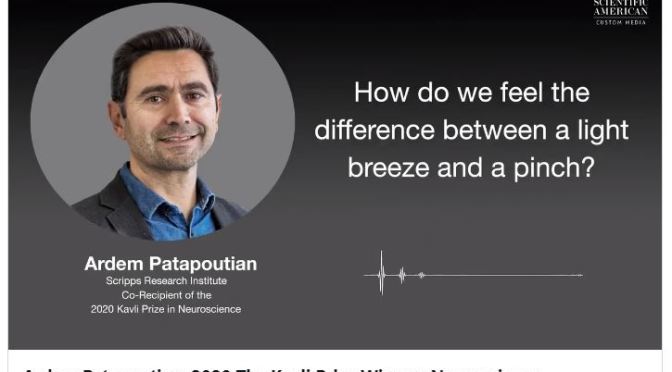
Just how does our sense of touch work? Listen to Ardem Patapoutian (@ardemp), one of the winners of the 2020 The Kavli Prize in Neuroscience, discuss how physical sensations are translated into cellular signals [Sponsored by @KavliPrize] pic.twitter.com/Q5VxRbzDQR





 Boomers Daily