
We discuss the latest from Kabul as the Taliban prepares a new government for Afghanistan and look at the role of the WHO’s new pandemic intelligence hub.
Plus: headlines from the world of film and a first glimpse of Audi’s new concept car.

We discuss the latest from Kabul as the Taliban prepares a new government for Afghanistan and look at the role of the WHO’s new pandemic intelligence hub.
Plus: headlines from the world of film and a first glimpse of Audi’s new concept car.
In some ways America has more leverage now that its forces have left; we ask how diplomatic and aid efforts should proceed in order to protect ordinary Afghans.
A global pandemic has distracted from a troubling panzootic: a virus is still ravaging China’s pig farms, and officials’ fixes are not sustainable. And the first retrospective for activist artist Judy Chicago.
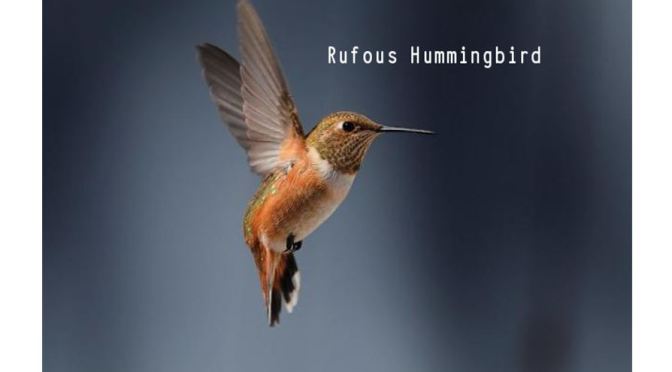
In the spring, Rufous Hummingbirds journey from Mexico to the northwest U.S., some as far north as Alaska! That’s almost 1000 miles one way for a bird measuring just under four inches beak to tail, making this the longest migration of any bird relative to body length. Not long after arriving, they bulk up on nectar and bugs for the scenic return trip over the Rocky Mountains.
How insects help release carbon stored in forests, and the upcoming biodiversity summit COP 15.
In this episode:
00:44 Fungi, insects, dead trees and the carbon cycle
Across the world forests play a huge role in the carbon cycle, removing huge amounts of carbon dioxide from the atmosphere. But when those trees die, some of that carbon goes back into the air. A new project studies how fast dead wood breaks down in different conditions, and the important role played by insects.
Research Article: Seibold et al.
09:37 Research Highlights
Massive stars make bigger planets, and melting ice moves continents.
Research Highlight: Why gassy planets are bigger around more-massive stars
Research Highlight: So much ice is melting that Earth’s crust is moving
12:04 The UN’s Convention on Biological Diversity
After several delays, the fifteenth Conference of the Parties (COP 15) to the United Nations Convention on Biological Diversity, is now slated to take place next year. Even communicating the issues surrounding biodiversity loss has been a challenge, and reaching the targets due to be set at the upcoming meeting will be an even bigger one.
Editorial: The scientific panel on biodiversity needs a bigger role
19:32 Briefing Chat
We discuss some highlights from the Nature Briefing. This time, cannibal cane toads and a pterosaur fossil rescued from smugglers.
Nature News: Australia’s cane toads evolved as cannibals with frightening speed
Research Highlight: A plundered pterosaur reveals the extinct flyer’s extreme headgear
National Geographic: Stunning fossil seized in police raid reveals prehistoric flying reptile’s secrets
A look ahead to Ukrainian president Volodymyr Zelensky’s visit to the White House. Plus, Taiwan’s launch of an English-language news channel, and the laboratory working to ensure that Swiss trains run without a hitch.
The party of Angela Merkel, the outgoing chancellor, is flailing in polls. We ask why the race has been so unpredictable and what outcomes now seem probable.
In America, obtaining a kit to make an untraceable firearm takes just a few clicks; we examine efforts to close a dangerous legal loophole. And as sensitivities change, so do some bands’ names.
A.M. Edition for Aug. 30. New Orleans is without electricity after Hurricane Ida slams the region 16 years after Hurricane Katrina.
WSJ markets reporter Caitlin Ostroff explains why utilities and healthcare are among the S&P 500’s top-performing groups this quarter. Plus, WSJ’s Chip Cutter discusses the concern among bosses as remote work may now last two years.
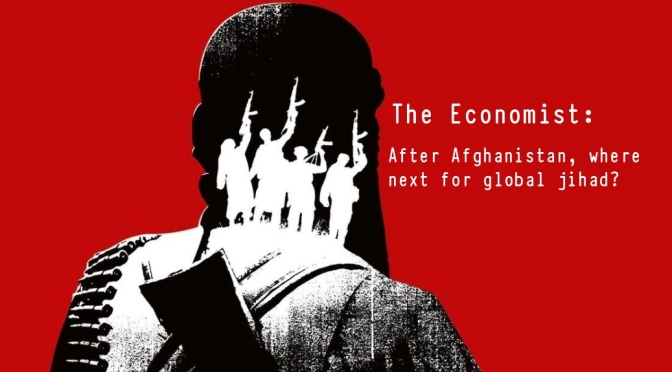
A selection of three essential articles read aloud from the latest issue of The Economist. This week, after Afghanistan, where next for global jihad?, Why Fundamental physics is humanity’s most extraordinary achievement (9:33) And pheasants revolt in Britain (14:51)
Monocle’s Emma Nelson and panellists Simon Brooke and Florian Egli on the weekend’s biggest news stories. Also in the programme: what’s making headlines at Austria’s ‘Profil’ magazine, and a check-in with our Balkans correspondent Guy De Launey.
Georgina Godwin on the weekend’s top stories. Also in the programme: Terry Stiastny on the morning’s newspapers and Monocle editor in chief Andrew Tuck’s column.


 Boomers Daily