Category Archives: Nature

River Walks: Kamikochi Valley, Central Japan (4K)

Kamikōchi is a remote mountainous highland valley within the Hida Mountains range, in the western region of Nagano Prefecture, Japan. It has been preserved in its natural state within Chūbu-Sangaku National Park.

Date taken: June 9, 2021

Video timeline: 0:00 Azusa River 5:19 Kappa Bridge (Kappabashi) 11:47 Taisho Pond 19:44 Tashiro Pond

Science: The Secret Language Of Trees

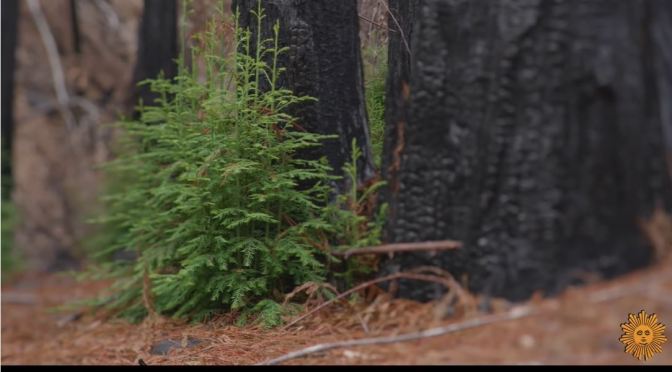
Using a complex network of chemical signals, trees talk to each other and form alliances with fellow trees, even other species. 

Credits: Narrator: Stephanie Sammann Writer: Lorraine Boissoneault Editor: Dylan Hennessy (https://www.behance.net/dylanhennessy1) Illustrator/Animator: Kirtan Patel (https://kpatart.com/illustrations) Animator: Mike Ridolfi (https://www.moboxgraphics.com/) Sound: Graham Haerther (https://haerther.net) Thumbnail: Simon Buckmaster (https://twitter.com/forgottentowel) Producer: Brian McManus (https://www.youtube.com/c/realenginee…)

Wildlife: Top ‘Hornet Moments’ (BBC Earth)

From overthrowing an empire to battling with bees, here are some of our most memorable hornet moments.

The Asian giant hornet, including the color form referred to as the Japanese giant hornet, is the world’s largest hornet. It is native to temperate and tropical East Asia, South Asia, Mainland Southeast Asia, and parts of the Russian Far East.

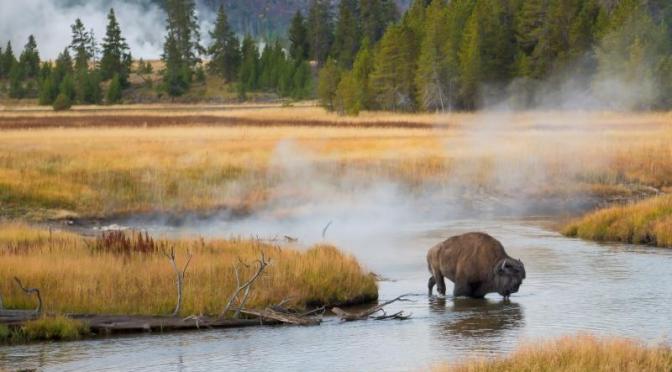
Wildlife: Yellowstone Bison and Marsh Birds

Read more

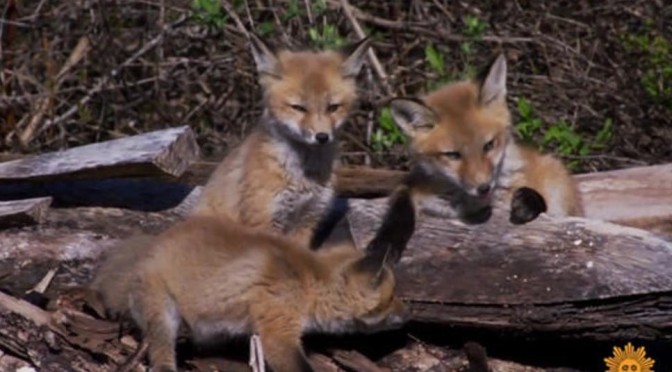
Nature Views: Red Fox Kits In Durham, Maine (Video)

“Sunday Morning” takes us on a visit to a spring litter of red foxes, at home in Durham, Maine. Videographer: Mauricio Handler.

The red fox is the largest of the true foxes and one of the most widely distributed members of the order Carnivora, being present across the entire Northern Hemisphere including most of North America, Europe and Asia, plus parts of North Africa. It is listed as least concern by the IUCN.

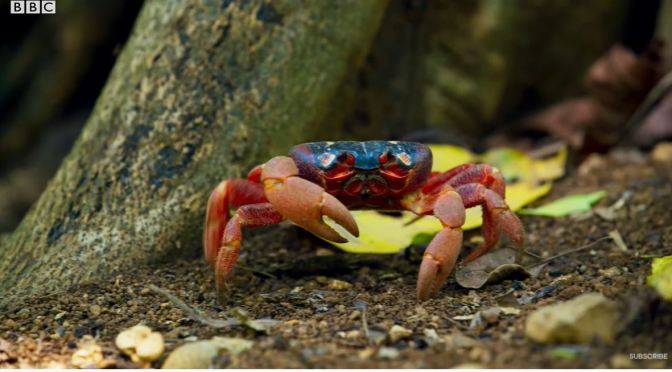
Views: Red Crabs Battle Yellow Crazy Ants On Christmas Island (BBC)

The Christmas Island red crab is of land crab that is  endemic  to  Christmas Island and Cocos (Keeling) Islands in the Indian Ocean.  Although restricted to a relatively small area, an estimated 43.7 million adult red crabs once lived on Christmas Island alone,[3] but the accidental introduction of the yellow crazy ant is believed to have killed about 10–15 million of these in recent years.[4] Christmas Island red crabs make an annual mass migration to the sea to lay their eggs in the ocean.[5] Although its population is under great assault by the ants,[6] as of 2020 the red crab had not been assessed by the International Union for Conservation of Nature (IUCN) and it was not listed on their Red List.

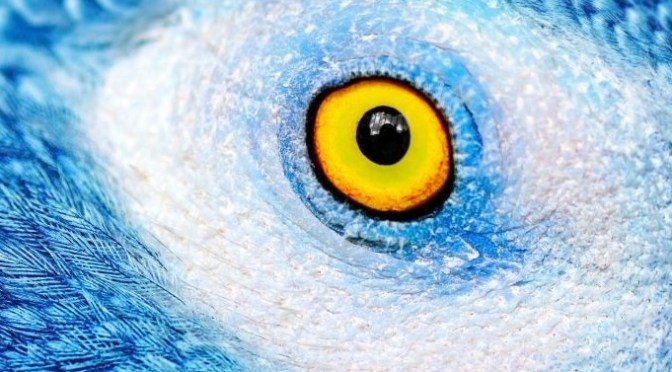
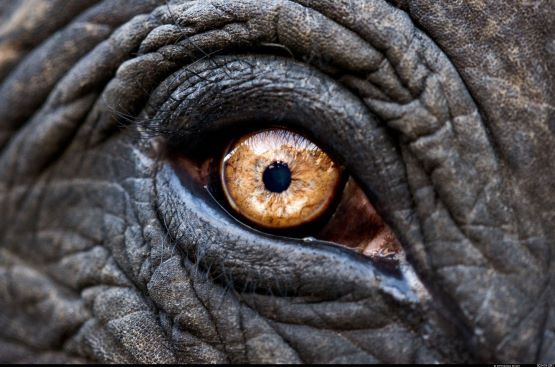
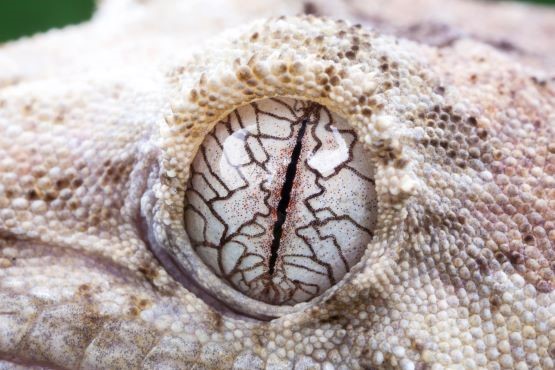
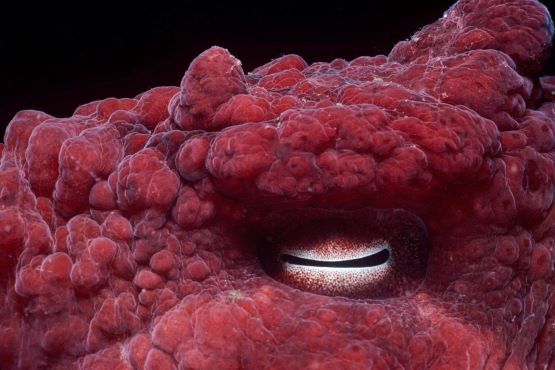
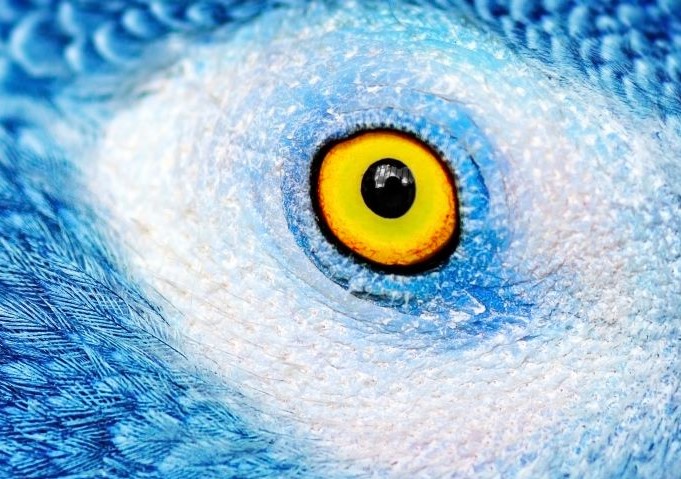
Views: The Beautiful And Bizarre ‘Eyes” Of Animals

“The cornea, which in fish is simply a transparent protective cover for the eye, became an image-forming structure in its own right,” wrote the late Michael Land, a biologist at the University of Sussex in England, in a 2005 study in the journal Current Biology, “because it now had air on one side and water on the other.”

Some organisms have kept basic structures—flatworms and mollusks still have their simple pit eyes—while others sprouted mirrored components, elaborate pupil dynamics and arrangements that let their owner see above and below a waterline simultaneously. Even in animals that rely primarily on sensations besides sight, incredible eye features persist.

Read and see more

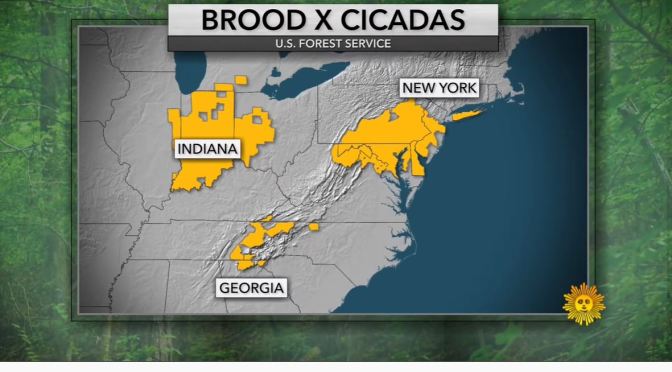
Views: Billions Of Cicadas Emerge In The Eastern U.S. After 17 Years (CBS Video)

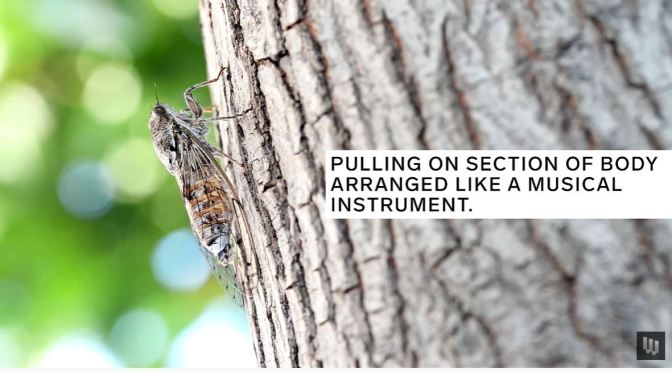
Periodical cicadas, identified as Brood X, are back, providing us with a once-every-17-years opportunity to witness a remarkable natural phenomenon, as these insects emerge and breed, while producing sounds as loud as a jet engine. Correspondent Chip Reid talks with entomologists about the cicadas’ cycle, and how their protein can satiate the appetites of predators (and cookie lovers).