

Our skin is home to billions of microorganisms, the vast majority of which are bacteria. Much like the microbiome in our gut, these microbes play a crucial part in keeping us healthy. They are part of a finely balanced ecosystem of friendly or ‘commensal’ bacteria, which protect our skin by creating an inhospitable environment for would-be invaders, bolstering the physical integrity of the skin, and training the immune system to distinguish commensal inhabitants from pathogens. A number of skin conditions are now understood to be influenced by a breakdown of this microbial ecosystem. Researchers are working out whether restoring the balance can treat these conditions. Understanding the ecology of this rich community is likely to be an important part of both dermatology and the study of the microbiome. Read more in https://www.nature.com/collections/sk…

The patented detection method detects minute fluorescence signals using unique fluorescent nanoparticles and a sophisticated reader system to achieve accurate results from a clinical sample, overcoming the sensitivity limitations of typical lateral flow technology. The key elements of Ellume’s digital technology reduce the probability of false results, create new pathways to treatment, and optimize secure public health reporting. These unique features are critical to the approval, success and adoption of self-administered home testing.
Core Technology
Supercharged fluorescent immunochromatography using a quantum-dot based fluorescent particle
The Ellume COVID-19 Home Test’s core technology combines ultra-sensitive optics, electronics and proprietary software to leverage best-in-class digital immunoassay technology with next-generation multi-quantum dot fluorescence technology.
How it works
Safe, accurate and rapid self-test
The test includes a sterile Nasal Swab, a Dropper, Processing Fluid, and a Bluetooth® connected Analyzer for use with an app on the user’s smartphone. Utilizing the dedicated app, the user follows step-by-step video instructions to perform the test including a self-collected mid-turbinate nasal swab. The sample is analyzed, and results are automatically transmitted to the user’s smartphone via Bluetooth® in 15 minutes or less. Results can be shared with healthcare professionals to enable optimal therapy.
Through a secure cloud connection, Ellume’s COVID-19 Home Test can provide real-time reporting of test results to health authorities, employers, and educators, for efficient COVID-19 mapping.
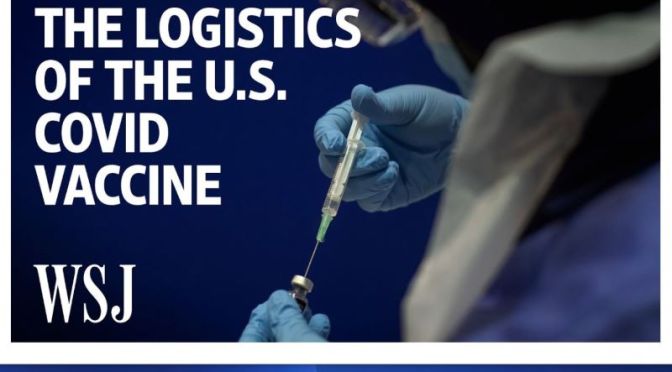
As states and hospitals in the U.S. race to roll out the first Covid-19 vaccines, WSJ’s Daniela Hernandez hears from a hospital administrator and immunization expert about the logistical challenges involved in this first phase of the vaccination process.
Photo: Victoria Jones/Zuma Press
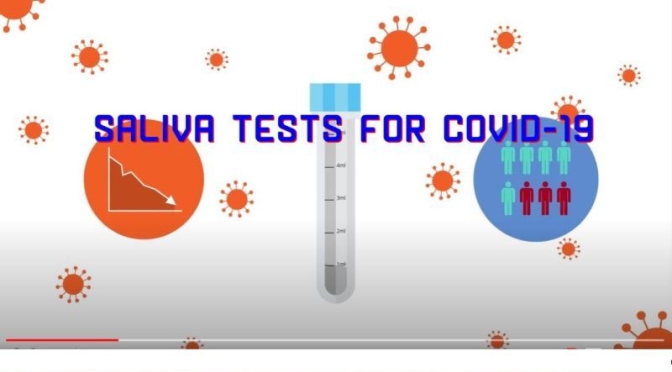
Screening testing is one tool the University of Pennsylvania is using to help reduce the risk of COVID-19 spread within the University community. That’s why we’re performing saliva-based viral testing for students, faculty, postdocs, and staff who are on campus.
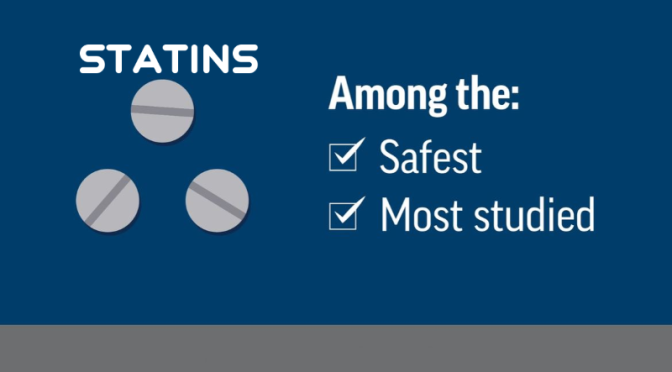
Statins are a type of medication used to lower the level of bad cholesterol in the blood and reduce build-up in arteries that can cause a heart attack or stroke. This short animated video explains the importance of statins, how they work, and why your doctor may prescribe them.
Stroke is far more common than you might realize, affecting more than 795,000 people in the U.S. every year. It is a leading cause of death and long-term disability. Yet until now, treatment options have been limited, despite the prevalence and severity of stroke.
Not so long ago, doctors didn’t have much more to offer stroke victims than empathy, says Kevin Sheth, MD, Division Chief of Neurocritical Care and Emergency Neurology. “There wasn’t much you could do.” But that is changing. Recent breakthroughs offer new hope to patients and families. Beating the Clock Think of stroke as a plumbing problem in the brain. It occurs when there is a disruption of blood flow, either because of a vessel blockage (ischemic stroke) or rupture (hemorrhagic stroke).
In both cases, the interruption of blood flow starves brain cells of oxygen, causing them to become damaged and die. Delivering medical interventions early after a stroke can mean the difference between a full recovery and significant disability or death. Time matters. Unfortunately, stroke care often bottlenecks in the first stage: diagnosis. Sometimes, it’s a logistical issue; to identify the type, size, and location of a stroke requires MRI imaging, and the machinery itself can be difficult to access.
MRIs use powerful magnets to create detailed images of the body, which means they must be kept in bunker-type rooms, typically located in hospital basements. As a result, there is often a delay in getting MRI scans for stroke patients. Dr. Sheth collaborated with a group of doctors and engineers to develop a portable MRI machine. Though it captures the images doctors need to properly diagnose stroke, it uses a less powerful magnet. It is lightweight and can be easily wheeled to a patient’s bedside.
“It’s a paradigm shift – from taking a sick patient to the MRI to taking an MRI to a sick patient,” says Dr. Sheth. Stopping the Damage Once a stroke has been diagnosed, the work of mitigating the damage can begin. “Brain tissue is very vulnerable during the first hours after stroke,” says vascular neurologist Nils Petersen, MD. He and his team are using advanced neuro-monitoring technology to study how to manage a patient’s blood pressure in the very acute phase after a stroke.
Dr. Petersen’s research shows that optimal stroke treatment depends on personalization of blood pressure parameters. But calculating the ideal blood pressure for the minutes and hours after a patient has a stroke can be complicated. It depends on a variety of factors—it is not a one-size-fits-all scenario. Harnessing the Immune System Launching an inflammatory reaction is how the body responds to injury anywhere in the body – including the brain, following stroke. However, in this case, the resulting inflammation can sometimes cause even more damage.
But what if that immune response could be used to the patient’s advantage? “We’re trying to understand how we can harness the immune system’s knowledge about how to repair tissues after they’ve been injured,” says Lauren Sansing, MD, Academic Chief of the Division of Stroke and Vascular Neurology. Her team is working to understand the biological signals guiding the immune response to stroke.
That knowledge can then direct the development of targeted therapeutics for the treatment of stroke that minimize early injury and enhance recovery. “We want to be able to lead research efforts that change the lives of patients around the world,” says Dr. Sansing.
Learn about these developments and more in the video above.
For more information on aneurysms or #YaleMedicine, visit: https://www.yalemedicine.org/conditio…
The U.K. became the first Western nation to vaccinate patients against Covid-19. WSJ explains how the country is planning to roll out the BioNTech-Pfizer vaccine at record speed, making it a test case for the rest of the world.
Photo: Jacob King/Bloomberg News



 Boomers Daily