Category Archives: Medicine

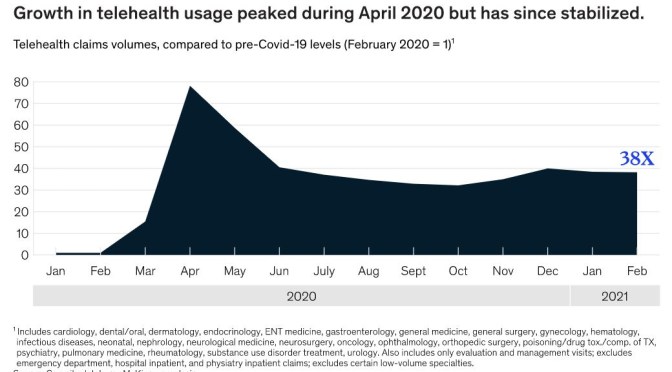
Telemedicine: Growth Rate Peaked In April 2020, Stabilized During 2021

A year ago, we estimated that up to $250 billion of US healthcare spend could potentially be shifted to virtual or virtually enabled care. Approaching this potential level of virtual health is not a foregone conclusion. It would likely require sustained consumer and clinician adoption and accelerated redesign of care pathways to incorporate virtual modalities.
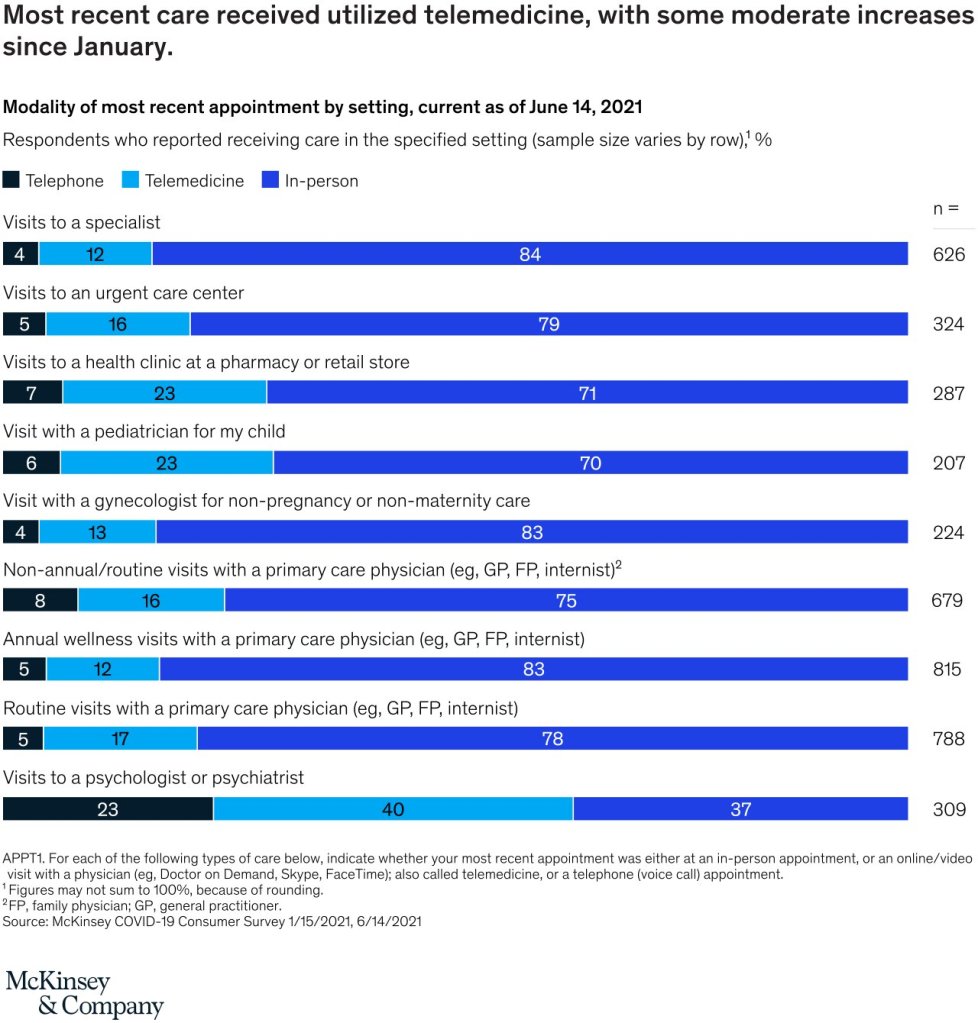
  • Telehealth utilization has stabilized at levels 38X higher than before the pandemic. After an initial spike to more than 32 percent of office and outpatient visits occurring via telehealth in April 2020, utilization levels have largely stabilized, ranging from 13 to 17 percent across all specialties.2 This utilization reflects more than two-thirds of what we anticipated as visits that could be virtualized.3
  • Similarly, consumer and provider attitudes toward telehealth have improved since the pre-COVID-19 era. Perceptions and usage have dropped slightly since the peak in spring 2020. Some barriers—such as perceptions of technology security—remain to be addressed to sustain consumer and provider virtual health adoption, and models are likely to evolve to optimize hybrid virtual and in-person care delivery.
  • Some regulatory changes that facilitated expanded use of telehealth have been made permanent, for example, the Centers for Medicare & Medicaid Services’ expansion of reimbursable telehealth codes for the 2021 physician fee schedule. But uncertainty still exists as to the fate of other services that may lose their waiver status when the public health emergency ends.
  • Investment in virtual care and digital health more broadly has skyrocketed, fueling further innovation, with 3X the level of venture capitalist digital health investment in 2020 than it had in 2017.4
  • Virtual healthcare models and business models are evolving and proliferating, moving from purely “virtual urgent care” to a range of services enabling longitudinal virtual care, integration of telehealth with other virtual health solutions, and hybrid virtual/in-person care models, with the potential to improve consumer experience/convenience, access, outcomes, and affordability.

Read more at McKinsey & Company

Harvard: ‘Nanobodies’ Evolved From Synthetic Antibody Fragments

A new approach developed by Harvard Medical School researchers uses yeast to rapidly evolve synthetic antibody fragments called nanobodies with the aim to find variants that are effective at binding to selected antigens, including SARS-CoV-2. The antibodies are intended for use in diagnostic tests and disease treatments. Read the full story: https://hms.harvard.edu/news/antibody…

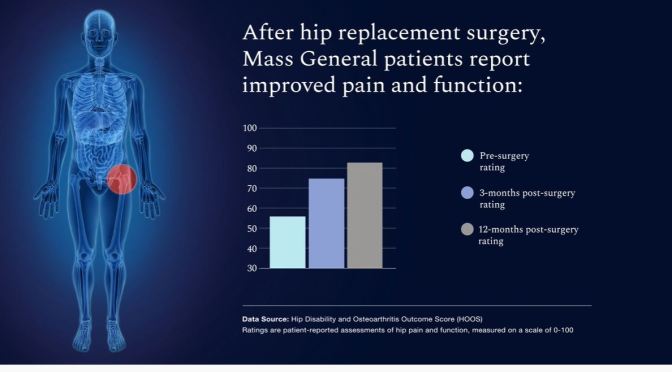
Health: Hip Replacement Surgery Success Rates

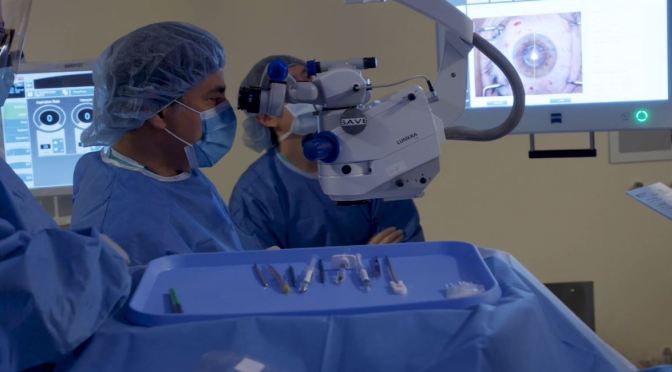
The mission of COMPASS is to provide patients with access to comprehensive quality and safety data across a variety of Massachusetts General Hospital surgical specialties. In this video, learn about performance data for Mass General hip replacement surgery including its success rate and recovery and rehabilitation.

Diabetes: How To Avoid Heat-Related Illnesses

Medicine: ‘AI’ Can Predict Rheumatoid Arthritis

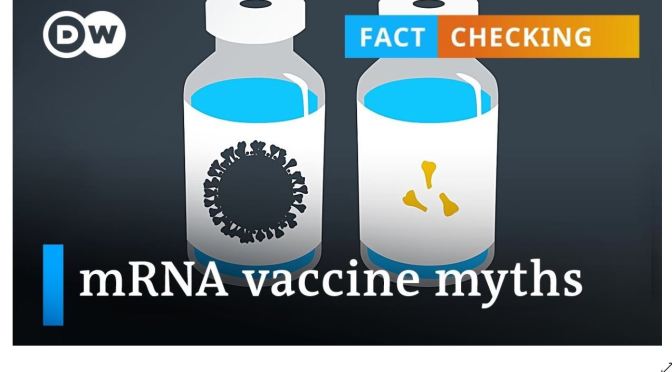
Covid-19: mRNA Vaccines Do Not Change Your DNA

With so many myths about COVID-19 vaccines regarding their impact on our health, many people don’t know what to believe. In our fact check, find out what you need to know about the mRNA vaccines — as we expose the myths and reveal the facts.

Analysis: The Hunt For Covid-19’s Origins (WSJ)

More than a year into the pandemic, scientists are still debating Covid-19’s origins. WSJ breaks down key events in three locations in China – a seafood market, a lab and a mine – to piece together how the global health crisis might have started. Photo composite: George Downs

Medical History: The Discovery Of Insulin

Nearly 100 years since insulin was first used in the treatment of diabetes, Professor Chantal Mathieu, Professor of Medicine at the Katholieke Universiteit Leuven, Belgium, takes us through the history, development and future of this life saving drug. Read more in https://www.nature.com/articles/d4285…

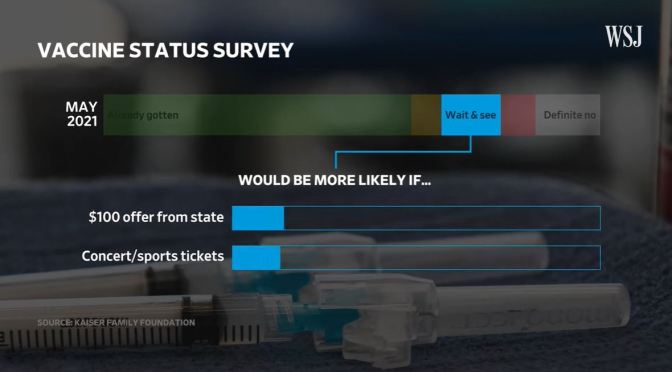
Covid-19: Are Vaccine Incentives Paying Off?

Across the country, states are shelling out incentives ranging from free beer to $1 million lotteries to encourage residents to get their Covid-19 shots. But is the effort to boost vaccination rates working? And is it worth the cost? Photo composite: Adam Falk/The Wall Street Journal