Sweeping rural gains made as American forces have slipped out are now giving way to bids for urban areas; an enormous, symbolic victory for the insurgents looms.
Singapore has enjoyed relative racial harmony for decades, but shocking recent events have revealed persistent inequalities. And why chewing gum has lost its cool.
Emma Nelson covers the weekend’s biggest and most interesting news stories with Rob Cox, Simon Brooke, Christof Münger and Christoph Amend from ‘Zeit Magazin’. Plus: Olympic updates from Monocle’s Tokyo bureau chief, Fiona Wilson.
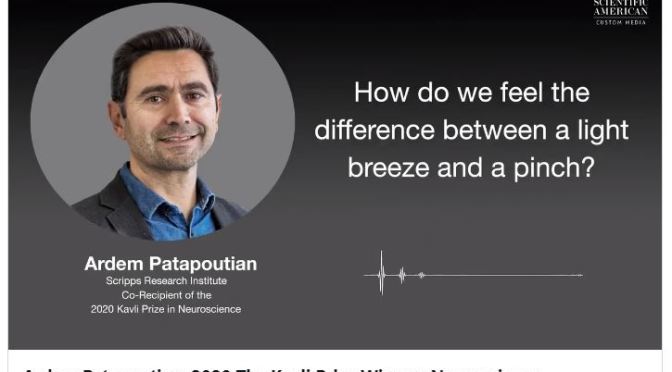
Just how does our sense of touch work? Listen to Ardem Patapoutian (@ardemp), one of the winners of the 2020 The Kavli Prize in Neuroscience, discuss how physical sensations are translated into cellular signals [Sponsored by @KavliPrize] pic.twitter.com/Q5VxRbzDQR
America’s pandemic-driven measures granting relief on mortgages and rent arrears will soon expire, and millions of people are in danger of losing their homes.
The Netherlands’ history of slavery is often overlooked; a new exhibition goes to great lengths to confront it. And how Marmite’s love-it-or-hate-it reputation represents an unlikely marketing coup.
First this week, Staff Writer Jennifer Couzin-Frankel joins host Sarah Crespi to discuss the paradox of metabolically healthy obesity. They chat about the latest research into the relationships between markers of metabolic health—such as glucose or cholesterol levels in the blood—and obesity. They aren’t as tied as you might think.
Next, Colin Dayan, professor of clinical diabetes and metabolism at Cardiff University and senior clinical researcher at the Wellcome Centre for Human Genetics at the University of Oxford, joins Sarah to discuss his contribution to a special issue on type 1 diabetes. In his review, Colin and colleagues lay out research into how type 1 diabetes can be detected early, delayed, and maybe even one day prevented. Finally, in the first of a six-patrt series of book interviews on race and science, guest host Angela Saini talks with author and professor of history at the University of Massachusetts, Amherst, Samuel Redman, about his book Bone Rooms: From Scientific Racism to Human Prehistory in Museums. The two discuss the legacy of human bone collecting and racism in museums today.
We discuss the creation of a “mini-Schengen” common-travel area in the Balkans. Plus: we analyse what the expansion of China’s nuclear arsenal means for the rest of the world and why the US is persevering with its travel ban on most foreign citizens.
Researchers debate whether an ancient fossil is the oldest animal yet discovered, and a new way to eavesdrop on glaciers.
In this episode:
01:04 Early sponge
This week in Nature, a researcher claims to have found a fossil sponge from 890-million-years-ago. If confirmed, this would be more than 300-million-years older than the earliest uncontested animal fossils but not all palaeontologists are convinced.
We hear about one researcher’s unorthodox attempt to listen in to the seismic-whisper at the foot of a Greenland glacier – a method that might reveal more about conditions under these enormous blocks of ice.
We discuss what’s on the agendaas US secretary of state Antony Blinken arrives in India. We then get the lowdown on Russia’s recent talks with the Taliban and assess the Kremlin’s intentions in the region.
The president has sacked the prime minister and suspended parliament. It is clear that the country needed a shake-up in its hidebound politics—but is this the right way?
A sprawling trial starting today involving the most senior Catholic-church official ever indicted is sure to cast light on the Vatican’s murky finances. And how climate change is already changing winemaking.
News, Views and Reviews For The Intellectually Curious





 Boomers Daily