

From a Jetsetter.com online review:
 Despite the overwhelming presence of boutique inns along the Atlantic, they’re not a strictly East Coast commodity. Case in point: Sonoma’s Farmhouse Inn.
The 25-room property, located just 30 minutes from Calistoga and Napa Valley, attracts visitors from near and far with guest rooms done up in homey, (you guessed it) farmstead-style decor (think: plaid throws and rustic tree limb end tables, all adhering to a neutral palette of white, beige, and brown), brightened up by bouquets of fresh seasonal flowers.  Beyond its aesthetically-pleasing interiors, the inn also knows a thing or two about food—starting with a nightly turndown service that includes homemade cookies and milk, and ending with the Farmhouse Restaurant, an onsite Michelin-starred, farm-to-table dining experience with killer dishes like peach salad, chanterelle tortellini, and wild Alaskan halibut.
To read more: https://www.jetsetter.com/magazine/the-coziest-inns-ever/?
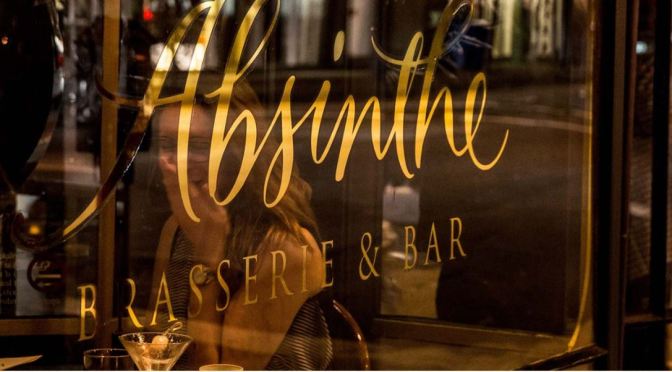
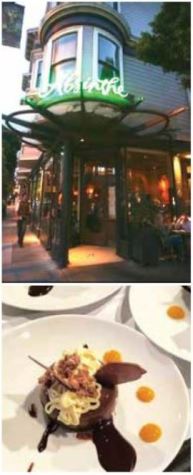 What makes this brasserie so popular? “A culture of hospitality comes from the top down,” explains Absinthe General Manager Brian Gavin. “Bill (our owner) is very gracious and the tone he sets makes everyone feel welcome.”



 There is no official definition of what constitutes a dry wine in the U.S. The amount of sugar left in the wine after fermentation or added afterward is, however, sometimes noted on a wine’s label, in grams per liter. According to Mr. Ramey, a wine generally considered dry would have less than 1 gram per liter RS (residual sugar), or 0.1%. Beyond that, a wine with 1% RS (10 grams per liter) is off-dry, and a wine at 3% RS (30 grams per liter) or above is sweet.
 Boomers Daily