

With global temperatures rising the threat of a climate crisis has never been closer. From carbon capture to driverless cars, these cutting-edge technologies have the promise to help us fight the impending climate crisis.
Tag Archives: Technology

Reviews: Apple’s New iPad Pro, M1 Mac, AirTags & Apple TV 4K (WSJ Video)
Airtags: The size of Mentos or a Lifesaver? A redesigned super-slim iMac? Lost-item trackers called AirTags? An Apple TV remote that doesn’t suck? New iPad Pros with M1 chips? Apple announced a hodgepodge of updates at a spring event. WSJ’s Joanna Stern has the rundown. Photo Illustration: Adele Morgan

Internet Service: Spacex’s ‘Starlink’ Explained (Video)
SpaceX’s broadband satellite internet, Starlink, is still in beta, but already has over 10,000 customers. The fledgling service is expected to be a cash cow for SpaceX, bringing in as much as $30 billion a year — more than 10 times the annual revenue of its existing rocket business. This revenue will be used to fuel Elon Musk’s ultimate goal of building a colony on Mars. Eventually, Starlink may even keep us connected on the Red Planet.
Video timeline: 00:00 – Introduction 02:24 – Understanding Starlink 07:15 – SpaceX’s golden ticket 10:05 – Challenges 16:12 – Future of Starlink

Smartphone Tracking: ‘Apple vs Facebook’ (WSJ)
Big Tech Fight Night: Cook vs. Zuck A new privacy feature in Apple’s iOS 14.5 requires apps to request permission to track you. And Facebook isn’t happy about it. WSJ’s Joanna Stern put Facebook CEO Mark Zuckerberg and Apple CEO Tim Cook into the ring to explain why this software update has kicked off a tech slugfest. Photo illustration: Preston Jessee for The Wall Street Journal Personal Technology With Joanna Stern Technology is overwhelming and making decisions about what gadget to buy is harder than ever. WSJ personal tech columnist Joanna Stern makes it all a bit easier in her lively and informative videos.

Climate: How Biden’s Infrastructure Plan Impacts Electric Vehicles
The Biden Administration wants to bet big on electric vehicles. Can it implement policy that reduces transportation emissions while positioning America as the leader in global EV production?
Neurotechnology: It Will Shape Future Behavior
Scientists have discovered how to put an artificial image inside a mouse’s brain so that it behaves as if it actually sees it. This will be possible to do with humans in the future — potentially shaping our thoughts and behaviors.

Cryptocurrencies: ‘What Coinbase’s Listing Means’
The listing of Coinbase, the largest bitcoin exchange in the U.S., introduces a new way to invest in cryptocurrencies. WSJ explains how Coinbase is trying to distance itself from the risks of bitcoin to succeed on Wall Street. Photo illustration: George Downs
Analysis: The Rise Of ‘Robo-Advisors’ To Manage Personal Investments
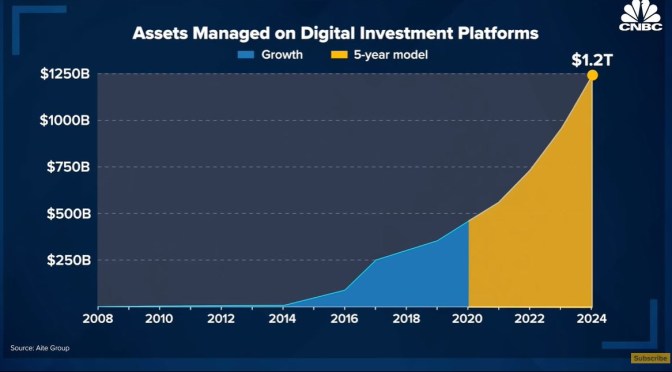
Robo-advisors have had a meteoric rise in popularity since their debut in 2008 thanks to the support from millennials and Gen Z. Today, Robo-advisors manage $460 billion, with some analysts predicting it will become a $1.2 trillion industry by 2024. Watch the video to find out why some investors believe it will never replace traditional human financial.
Since their debut in 2008, robo-advisors have had a meteoric rise in popularity. In 2020, they managed $460 billion, a 30% increase compared with 2019. Some analysts predict robo-advising will become a $1.2 trillion industry by 2024. “Investors historically have had two options when it comes to managing their investments. They could do it themselves through something like an online broker or you can work with a financial advisor,” explained Brian Concannon, head of Digital Advisor at Vanguard.
“Now, with the advent of robo-advisors, there’s a third option, and that’s to merge the benefits of professional money management and advice with the convenience of an all-digital application.” Robo-advisors’ sudden rise to prominence was made possible due to massive interest and support from millennials and Gen Z. According to a recent survey by Vanguard, millennials were twice as likely as young baby boomers to consider using a robo-advisor for investments.
“I believe that there are things that technology or algorithms can do better than humans can,” said Taylor Crane, a robo-advisor customer. “And I have no problem trusting a software to do that.” Skeptics do not expect robo-advisors to replace human advisors entirely in the near future. “Clearly, there’s always going to be a human element that’s missing,” said Jason Snipe, chief investment officer at Odyssey Capital Advisors. “My problem always will be the emotional response. Take a situation like last year when we’re going through Covid-19 and markets are moving a lot, dramatically. …
You can’t talk to the technology, right?” To combat this, many robo-advisor companies including Betterment and Vanguard began providing the option of hybrid services that combine both human and digital advice. “[Some] investors we see crave validation from a financial advisor,” said Concannon. “So for those investors, being able to pick up the phone and have a video conference with a financial advisor, have a discussion about their needs and wants goes an incredibly long way to providing them the peace of mind that they so desperately need.”
Time is on the side of the robo-advisory industry as the technology continues to improve and the younger generations accrue more wealth. “I think some combination of the two probably is where we are headed for in the future,” said Snipe. “I think the robo space has room to grow. I think it will obviously modify and change and become even more sophisticated.”
Analysis: The Electric Vehicle Battery Shortage
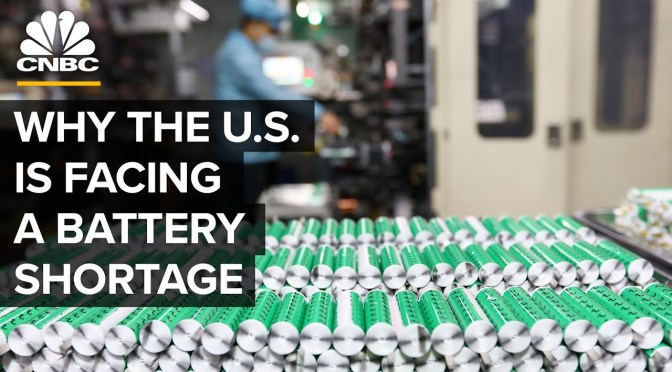
U.S. automakers are finally making bold commitments to electrify their fleets, but in the short-term, there may not be enough lithium-ion batteries to go around. While China dominates the battery manufacturing supply chain, and Europe is working to catch up, the U.S. still lags far behind.
As batteries become a matter of energy independence and national security, here’s what the U.S. can do to catch up. As automakers continue to grapple with a semiconductor shortage, some experts say the next supply chain crisis for the U.S. could involve lithium-ion batteries. As companies like GM, Ford and a slew of start-ups are ramping up their electric vehicle ambitions, current battery production in the U.S. will not be able to keep up with demand.
Technology: How ‘AI’ Is Improving Creativity
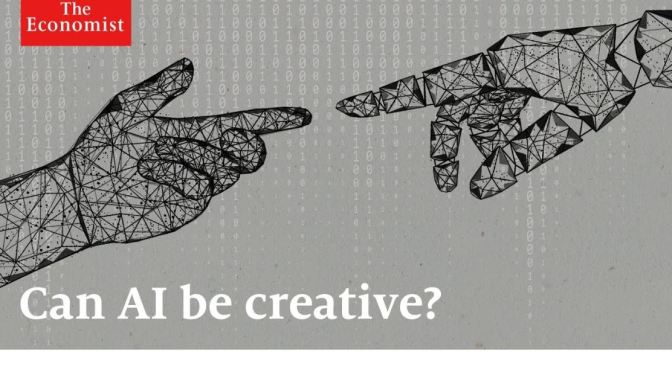
Artificial intelligence is helping humans make new kinds of art. It is more likely to emerge as a collaborator than a competitor for those working in creative industries.
 Boomers Daily