Brooklyn Bell, Chip Thomas, Shaun Martin and Nikki Cooley talk about their relationships with the people and incredible landscapes of the Arizona section of the Navajo Nation—the largest Tribal Nation in the U.S. at 27,425 square miles.
The Navajo Nation is a Native American indigenous tribe covering about 17,544,500 acres, occupying portions of northeastern Arizona, southeastern Utah, and northwestern New Mexico in the United States.
I have such a strong admiration for the diverse formations and complex patterns of the American Southwest that truly make you feel like you’re on another planet.
The Southwestern United States (called the American Southwest or simply the Southwest) is a region of the western United States. The region is warmer than the northern states and drier than the eastern states. The area includes Arizona and New Mexico, sometimes called the “Desert Southwest.” Often counted as part of the Southwest are Southern California, parts of Nevada, Utah, and Colorado and western Texas. The Southwest has seen large amounts of growth in recent years, both the Phoenix, Arizona and Las Vegas, Nevada areas are amongst the fastest growing in the country.
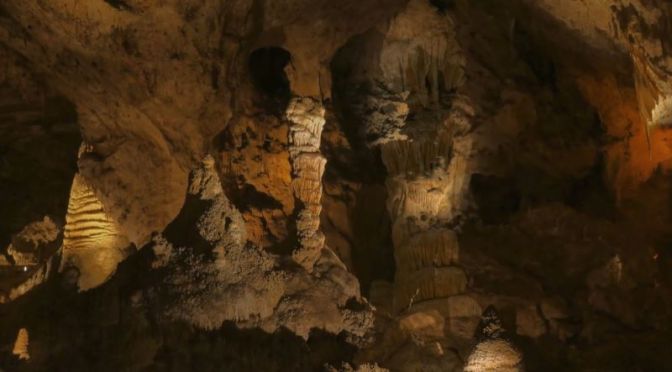
Overcome with Covid fatigue, we drove to visit friends and relatives in Texas. Risky, but we maintained safe bubbles. On the way home we detoured to visit Carlsbad Caverns, and here we are.
Carlsbad Caverns National Park is in the Chihuahuan Desert of southern New Mexico. It features more than 100 caves. The Natural Entrance is a path into the namesake Carlsbad Cavern. Stalactites cling to the roof of the Big Room, a huge underground chamber in the cavern. Walnut Canyon Desert Loop is a drive with desert views. Rattlesnake Springs, a desert wetland, attracts reptiles and hundreds of bird species.
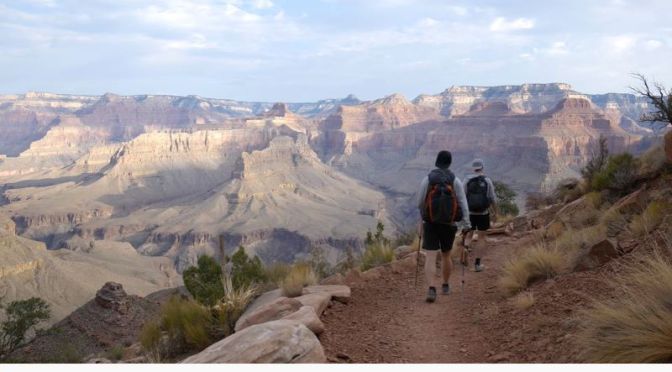
Spent two days backpacking on the Hermit’s Rest Viewpoint to Tonto Trail to Bright Angel Trailhead in the Grand Canyon.
The dynamic interplay of soft and hard layers of stone created an open benchland at the rim of the Inner Gorge called the Tonto Platform. Easily visible from several South Rim overlooks, the greenish Tonto rocks have eroded into an obvious exception to the striking vertical cliffs that characterize most of Grand Canyon.
The Tonto Trail follows this natural trans-canyon route for 95 rough, unmaintained miles, from Red Canyon on the east to Garnet Canyon on the west. All of this makes the Tonto Trail unique among Grand Canyon pathways. Most descend from the rim towards the Colorado River, but the Tonto Trail offers passage by foot up and down the canyon, parallel to the course of the river. Because of its length, most hikers approach the Tonto Trail not as a single unit, but rather as a series of installments, breaking the route down into four or five sections defined by rim-to-river trails and the natural lay of the land.
A notable lack of reliable water makes most of the Tonto Trail a daunting, possibly dangerous, proposition, but the section between Bright Angel Trail and the Hermit Trail is blessed with three water sources hikers can count on. As a result, this segment of the Tonto Trail offers a degree of civility not found elsewhere along the trail, and it is here that most hikers get their first exposure to the unique nature of this singular trans-canyon route.
Chiricahua National Monument is a “Wonderland of Rocks” located in Southeastern Arizona, USA. Stunning rock formations – pinnacles, hoodoos and balancing rocks – are the most common formations in the monument. Not many people visit this amazing area, since the monument is quite remote. Recorded October 2020
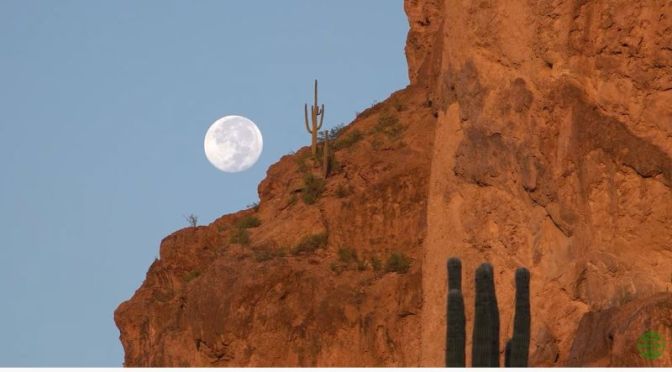
The Superstition Mountains is a range of mountains nearby Phoenix, Arizona. The Superstition Mountains are popular for their scenic hiking trails and with the legend of the Lost Dutchman’s Gold Mine. Apache believed an access to the underworld exists in the Superstition Mountains, and it is causing the dust storms in the Arizona desert. Recorded October 2020 in 4K Ultra HD with Sony AX700 and DJI Osmo Pocket.
Music: Suzanne Teng – Kingdom of Mountains – 3 – Kingdom of Mountains
With a lack of restrictions on water use, owners of some large-scale farms in the United States are drying up underground water tables. All they have to do is buy the land to have access to as much free water as they want. In Arizona, farm owners and ranchers are digging ever deeper to irrigate their land, leaving other residents with low water reserves. Meanwhile, parts of the land have caved in, collapsing as the water is pumped up from beneath. Our France 2 colleagues report, with FRANCE 24’s James Vasina.
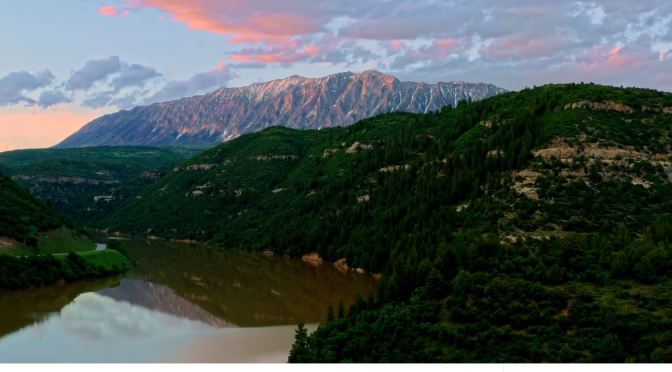
For more than 80 years, the Colorado River District has been working to safeguard Western Colorado’s water resources for agriculture, recreation, industry and the environment.
From the Continental Divide to the Utah border, the Colorado River District serves more than 500,000 West Slope citizens and covers approximately 29,000 square miles – nearly one-third of the state’s total land mass.
Approximately 70% of the Colorado River’s natural flow originates on Colorado’s Western Slope.
New Mexico: Take flight over 121,000 square miles of timeless beauty and national treasures, from the Rio Grande, to adobe structures and dormant volcanoes. See what brought Billy the Kid, the makers of the atomic bomb and perhaps even visitors from far away galaxies to New Mexico.
Be Well delves into one of life’s greatest pleasures; a day spent rejuvenating the body and nourishing the spirit. Humans have practiced self-care for centuries—in the sweat lodges of the American Southwest, Roman baths, the hammams of the Ottoman Empire, Japanese onsens, and Finnish saunas. Today, a new interest in self-care is redefining how we accomplish wellness, and there have never been more options.
In our increasingly switched-on lives, a growing industry of highly choreographed experiences is geared to help us switch off. Be Well is a journey around the world’s most extraordinary spaces for achieving this, looking at the innovative practices they offer and how to carry them into everyday life.
Kari Molvar is a writer and editor focusing on wellness as seen through the lens of design, culture, and style. She is an online contributor to T: The New York Times Style Magazine and the founder of Rutine Matters. Her work appears in Vogue and The Wall Street Journal, among other titles.





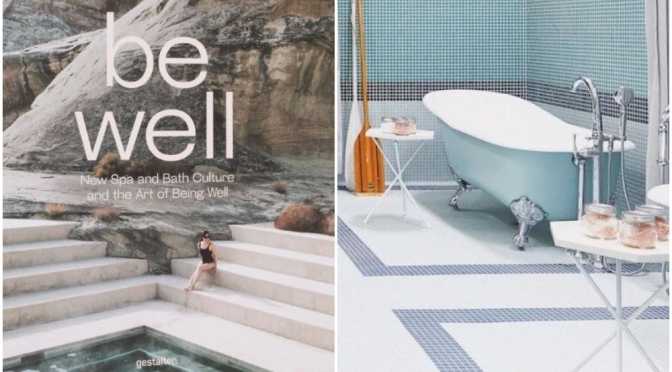
 Be Well delves into one of life’s greatest pleasures; a day spent rejuvenating the body and nourishing the spirit. Humans have practiced self-care for centuries—in the sweat lodges of the American Southwest, Roman baths, the hammams of the Ottoman Empire, Japanese onsens, and Finnish saunas. Today, a new interest in self-care is redefining how we accomplish wellness, and there have never been more options.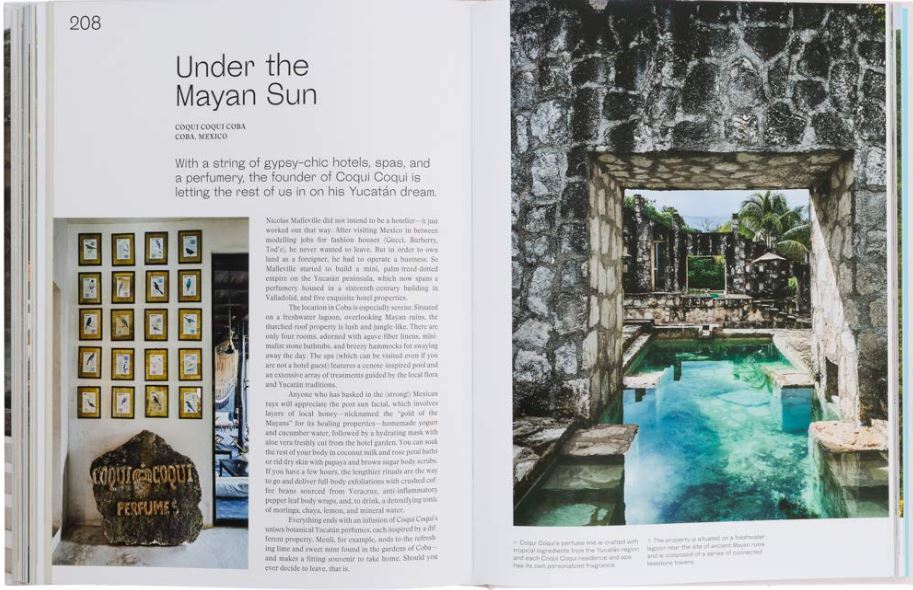
 Boomers Daily