
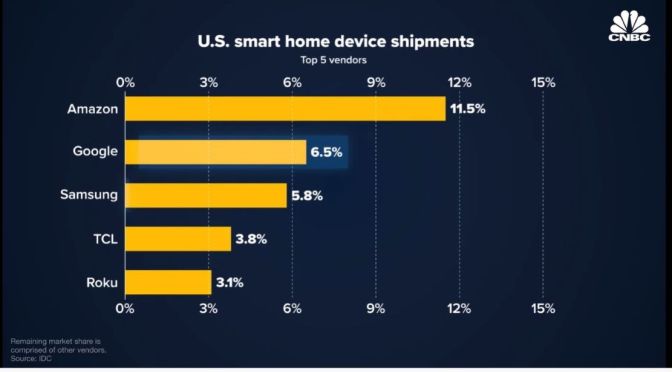
Amazon ships more U.S. smart home devices than any other company and says Alexa is now compatible with 140,000 devices, far beyond the Echo and Fire TV. But privacy advocates are concerned by all the data these devices collect, and are calling on the Federal Trade Commission to block Amazon’s latest smart home expansion.
Chapters: 1:41 First to market 4:27 Acquiring iRobot 7:41 How it uses the data 9:45 Privacy concerns 11:33 Ambient home of the future
After acquiring video doorbell maker Ring in 2018 and mesh WiFi system Eero a year later, Amazon’s now looking to buy Roomba smart vacuum maker iRobot. In a rare move, the FTC is asking for more information before approving the $1.7 billion deal. Ahead of Amazon’s annual smart home event, we talked to Amazon’s VP of privacy to find out what really happens to all the data collected by its devices – and sat down with the head of smart home to hear the strategy behind Amazon’s race to dominate the internet of things.

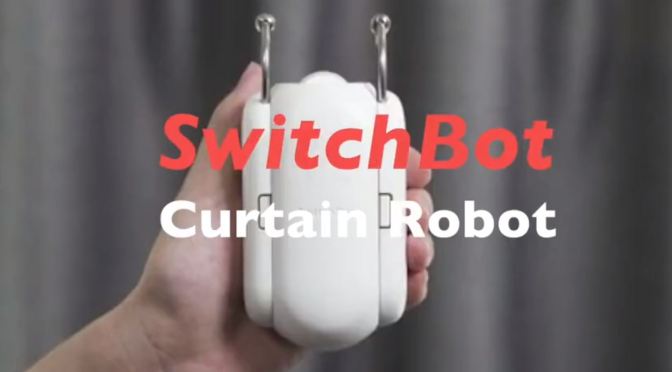
 Designed to universally retrofit onto most curtain rods, the SwitchBot comes with two hooks that hold it in place and a wheel that moves the bot left or right. Place the SwitchBot between the first and second loops of your curtain or blind, and the bot can now, on command, run up and down the curtain rod, maneuvering your curtains open or closed. SwitchBot runs on an app, but even supports voice commands via your phone or smart speaker, effectively allowing you to have your own “Let there be light” moment by commanding the curtains to open at will. IFTTT and shortcuts support even lets you sync SwitchBot with your alarm, or with the time of the day, thanks to the bot’s in-built light sensor.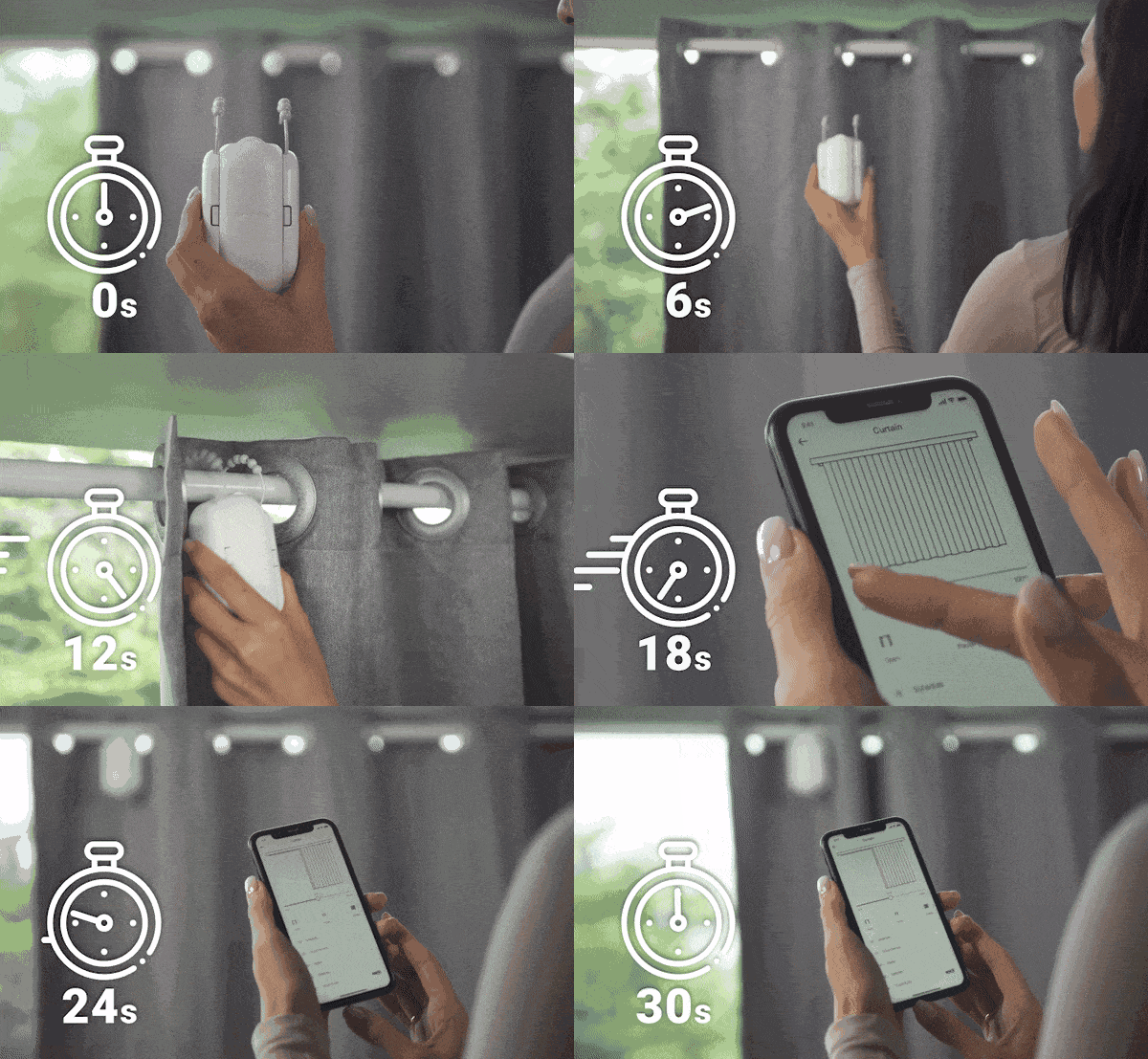
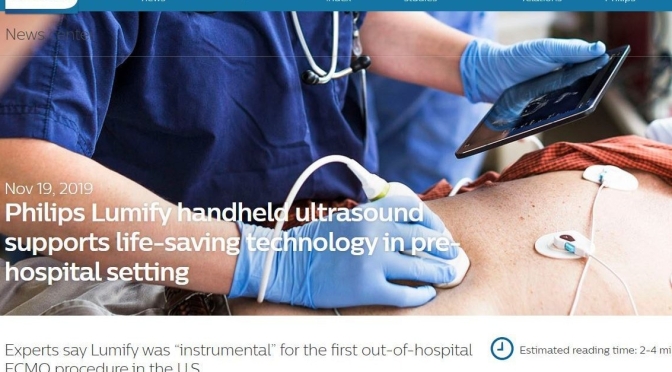
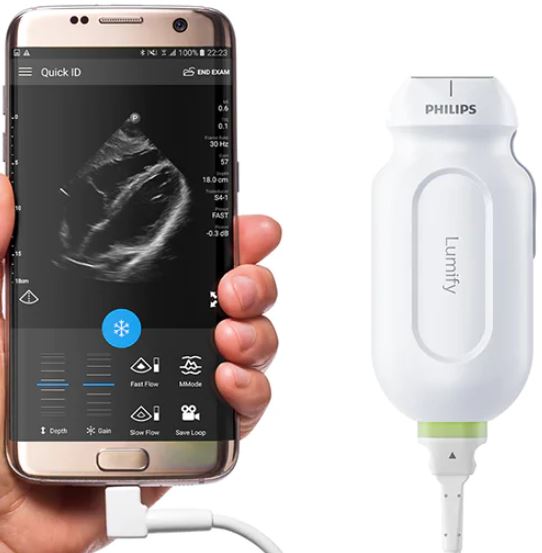 Philips Lumify ultrasound technology is an important component of the mobile ECMO unit. Members of the ECMO team use Lumify for real-time visual guidance when inserting tubes in veins and arteries in a process called ECMO cannulation.
 Boomers Daily