We start our first episode of the new year looking at future trends in policy and research with host Joel Goldberg and several Science News writers. Jeffrey Mervis discusses upcoming policy changes, Kelly Servick gives a rundown of areas to watch in the life sciences, and Ann Gibbons talks about potential advances in ancient proteins and DNA.
In research news, host Meagan Cantwell talks with Beatriz Pinto-Goncalves, a postdoctoral researcher at the John Innes Centre, about carnivorous plant traps. Through understanding the mechanisms that create these traps, Pinto-Goncalves and colleagues elucidate what this could mean for how they emerged in the evolutionary history of plants.
Cellular Cleanup Crew Fasting and caloric restriction both can ramp up autophagy, a kind of cellular housekeeping. When cells are in famine mode and don’t have to break down food, they pause their usual tasks and stop dividing. Instead, they work on repairing and recycling damaged components, and cleaning out dead or harmful cell matter. Alison Mackey/Discover
…It seems fasting triggers a dramatic switch in the body’s metabolism, according to a paper Mattson and colleagues published in February in the experimental biology journal FASEB. In humans, fasting for 12 hours or more drops the levels of glycogen, a form of cellular glucose. Like changing to a backup gas tank, the body switches from glucose to fatty acids, a more efficient fuel. The switch generates the production of ketones, which are energy molecules that are made in the liver. “When the fats are mobilized and used to produce ketones, we think that is a key factor in accruing the health benefits,” says Mattson.
The podcast team share some of their highlights from the past 12 months: A sole sensation, The make up of the far side of the Moon, Growth Mindset, ‘Manferences’ and Q&A with Nobel Prize winner John Goodenough.
In this episode:
00:33 A sole sensation
A study of people who do and don’t wear shoes looks into whether calluses make feet less sensitive. Nature Podcast: 26 June 2019; Research article: Holowka et al.; News and Views: Your sensitive sole
08:56 The make up of the far side of the Moon
Initial observations from the first lander to touch down on the far side of the Moon. Nature Podcast: 15 May 2019; Research article: Li et al.
15:43 Growth Mindset
How a one hour course could improve academic achievement. Nature Podcast: 07 August 2019; Research article: Yeager et al.
We talk to John Goodenough, who was jointly awarded the 2019 Nobel Prize in Chemistry for his role in the development of the lithium-ion battery. Podcast Extra: 09 October 2019
Memory sits at the core of both literature and lives. Yet forgetting is also a part of our brains’ daily working, bringing its own human truths and a necessary path for moving forward. Lewis Hyde’s new _A Primer for Forgetting: Getting Past the Past_, provides inspiration for a deep-dive discussion of memory’s other side, with this august panel of writers and neuroscientists: poets Jane Hirshfield and Margaret Gibson, author Lewis Hyde, and UCSF neuroscientists Aimee Kao, Bruce Miller, and Virginia Sturm.
Co-hosted by Litquake, San Francisco’s Literary Festival
Jane Hirshfield’s ninth poetry collection, Ledger (Knopf), appears in 2020. Chancellor emerita of the Academy of American Poets and recently elected into the American Academy of Arts & Sciences, she works frequently at the intersection of poetry and science. Her work appears in The New Yorker, Atlantic, Poetry, et al.
Listen to Poet and Professor Margaret Gibson below:
Margaret Gibson, current Connecticut Poet Laureate, is the author of 12 books of poetry, including Not Hearing the Wood Thrush (2018) and Broken Cup (2014), centered on memory loss from Alzheimer’s disease and the gifts of sustaining presence through lament, acceptance, and love. She is Professor Emerita at the University of Connecticut.
Listen to author Lewis Hyde below:
Lewis Hyde’s recent book, A Primer for Forgetting (FSG, 2019), explores the many situations in which forgetfulness is more useful than memory—in myth, personal psychology, politics, art and spiritual life. A MacArthur Fellow, Hyde taught for many years at Kenyon College.
Imagine you’re paralyzed and can’t move or speak. How would you communicate with the world? This video describes the principles of early brain-computer interfaces (BCIs) designed to read electrical brain signals, analyze how brain activity patterns contribute to vocal tract movements, and reproduce the sound patterns as speech. The model is a first step toward one day restoring paralyzed individuals’ natural rate of communication and quality of life.
As the year comes to a close, we review the best science, the best stories, and the best books from 2019. Our end-of-the-year episode kicks off with Host Sarah Crespi and Online News Editor David Grimm talking about the top online stories on things like human self-domestication, the “wood wide web,” and more.
News Editor Tim Appenzeller joins Sarah to discuss Science’s 2019 Breakthrough of the Year, some of the contenders for breakthrough, also known as runners-up, and a breakdown—when science and politics just didn’t seem to mix this year.
Finally, Science books editor Valerie Thompson brings her favorites from the world of science-inflected media. She and Sarah talk about some of the best books reviewed in Science this year, a food extinction book we should have reviewed, a pair of science-centric films, and even an award-winning birding board game.
During this decade, as in previous decades, Caltech scientists and engineers reinvented the landscape of scientific endeavor: from the first detection of gravitational waves and the discovery of evidence for a ninth planet in the solar system; to bold missions to explore and understand the solar system; to the development of new methods to see inside the body and the brain and understand the universe around us; to the invention of devices to improve human health, some taking inspiration from nature; to the initiation of a transformative new effort to support research into the most pressing challenges in environmental sustainability.
Though the brain orchestrates how we experience the world, many questions remain about its complex workings. During the past 10 years, Caltech scientists have discovered how the brain recognizes faces and drives and quenches thirst, and learned about the pathways that govern sleep. A major focus has been on understanding the experience of non-neurotypical individuals, such as those who have autism or those who are missing a brain hemisphere. New realms of neuroscience research were made possible in 2016, when philanthropists Tianqiao and Chrissy Chen announced a gift to establish the Tianqiao and Chrissy Chen Institute for Neuroscience at Caltech.
In our own study of more than 7,000 middle-aged to older adults in the U.K., published in 2019 in Brain Imaging and Behavior, we demonstrated that people who spent more time engaged in moderate to vigorous physical activity had larger hippocampal volumes. Although it is not yet possible to say whether these effects in humans are related to neurogenesis or other forms of brain plasticity, such as increasing connections among existing neurons, together the results clearly indicate that exercise can benefit the brain’s hippocampus and its cognitive functions.
In fact, a growing body of research suggests that exercise that is cognitively stimulating may indeed benefit the brain more than exercise that does not make such cognitive demands. For example, Gerd Kempermann and his colleagues at the Center for Regenerative Therapies Dresden in Germany explored this possibility by comparing the growth and survival of new neurons in the mouse hippocampus after exercise alone or after exercise combined with access to a cognitively enriched environment. They found an additive effect: exercise alone was good for the hippocampus, but combining physical activity with cognitive demands in a stimulating environment was even better, leading to even more new neurons. Using the brain during and after exercise seemed to trigger enhanced neuron survival.
“We are modernizing Goddard Space Flight Center (GSFC) and its six sites for the future. A comprehensive Facilities Master Plan is an essential element in developing a blueprint for the future of our Center. Goddard recognizes the importance of fostering a work environment that is enjoyable, rewarding and aligned with meeting the challenges of tomorrow. The Master Plan will develop the infrastructure to support our business goals and missions, inform future investment decisions and respond to the growth and diversity of our mission and customer requirements. Its content will be informed by site visits, stakeholder interviews and workshops at all campuses, starting at the Greenbelt campus. This will be followed by similar efforts at the Columbia Scientific Balloon Facility in Texas, White Sands Complex in New Mexico, Wallops Flight Facility in Virginia, Goddard Institute for Space Studies in New York, and Katherine Johnson Independent Verification & Validation Facility in West Virginia.Goddard’s master plan process is scheduled to continue through 2021.

 We start our first episode of the new year looking at future trends in policy and research with host Joel Goldberg and several Science News writers. Jeffrey Mervis discusses upcoming policy changes, Kelly Servick gives a rundown of areas to watch in the life sciences, and Ann Gibbons talks about potential advances in ancient proteins and DNA.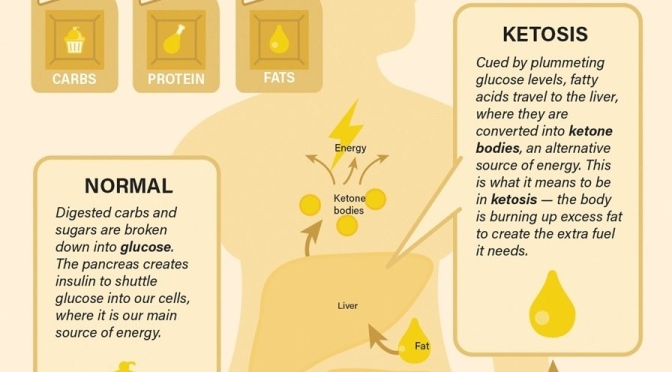
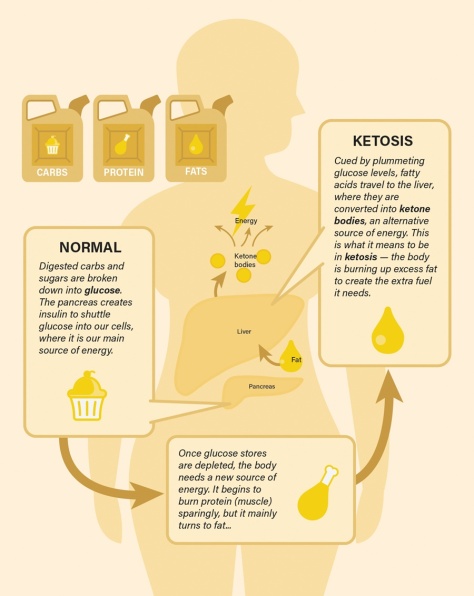
 to a paper Mattson and colleagues published in February in the experimental biology journal FASEB. In humans, fasting for 12 hours or more drops the levels of glycogen, a form of cellular glucose. Like changing to a backup gas tank, the body switches from glucose to fatty acids, a more efficient fuel. The switch generates the production of ketones, which are energy molecules that are made in the liver. “When the fats are mobilized and used to produce ketones, we think that is a key factor in accruing the health benefits,” says Mattson.
 The podcast team share some of their highlights from the past 12 months: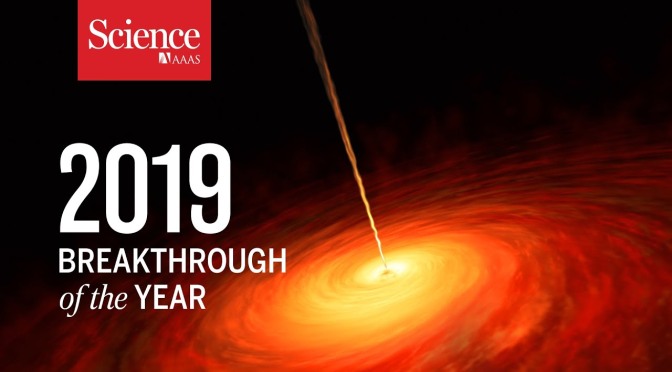

 During this decade, as in previous decades, Caltech scientists and engineers reinvented the landscape of scientific endeavor: from the first detection of gravitational waves and the discovery of evidence for a ninth planet in the solar system; to bold missions to explore and understand the solar system; to the development of new methods to see inside the body and the brain and understand the universe around us; to the invention of devices to improve human health, some taking inspiration from nature; to the initiation of a transformative new effort to support research into the most pressing challenges in environmental sustainability.
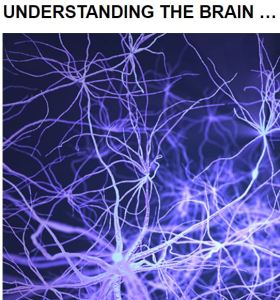 Though the brain orchestrates how we experience the world, many questions remain about its complex workings. During the past 10 years, Caltech scientists have discovered how the brain recognizes
  As modern technology advances, so do the possibilities for treating medical conditions that were previously considered untreatable. Caltech researchers used an electrode array to help a paralyzed patient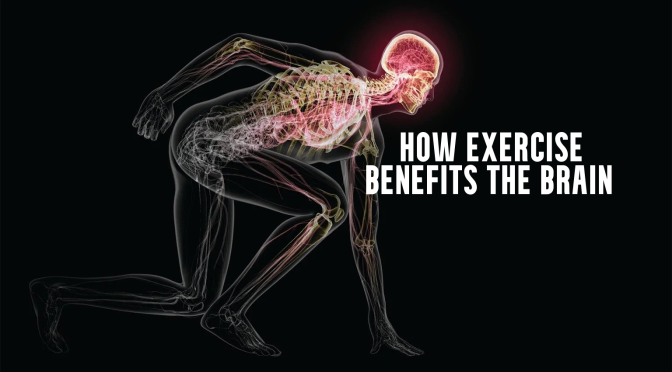
 In our own study of more than 7,000 middle-aged to older adults in the U.K., published in 2019 in Brain Imaging and Behavior, we demonstrated that people who spent more time engaged in moderate to vigorous physical activity had larger hippocampal volumes. Although it is not yet possible to say whether these effects in humans are related to neurogenesis or other forms of brain plasticity, such as increasing connections among existing neurons, together the results clearly indicate that exercise can benefit the brain’s hippocampus and its cognitive functions.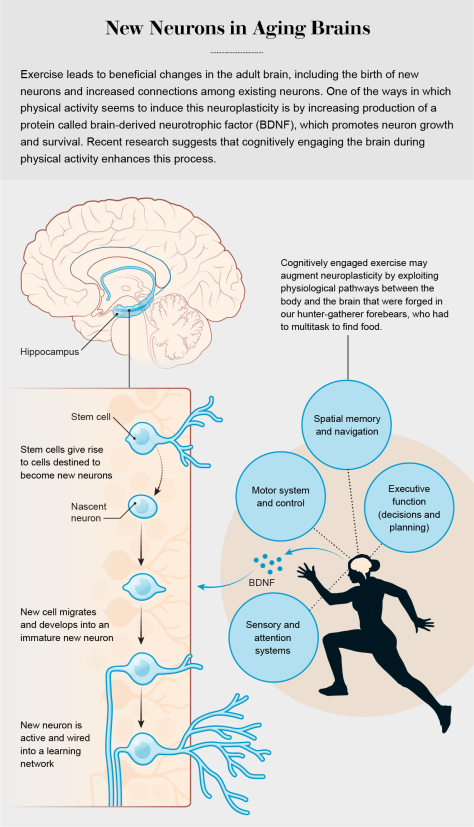

 Boomers Daily