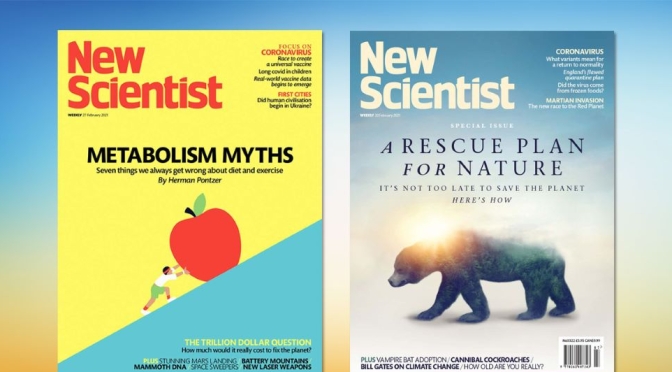

In this week’s issue: How a strange system of eight-dimensional numbers could provide the mathematical framework to describe the entire universe.

In this week’s issue: How a strange system of eight-dimensional numbers could provide the mathematical framework to describe the entire universe.
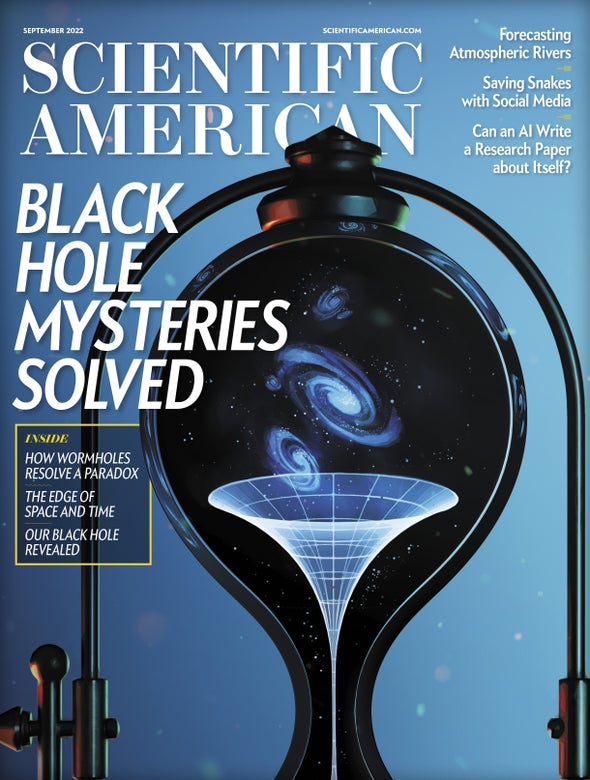
These fun stories show progress from the scale of quantum effects to that of snakes and from Earth to the edge of the universe
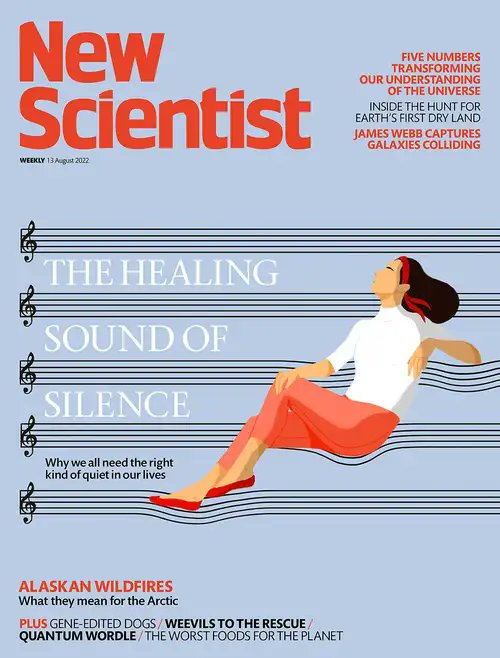
In this week’s issue: How the healing power of silence can improve our mental and physical health.
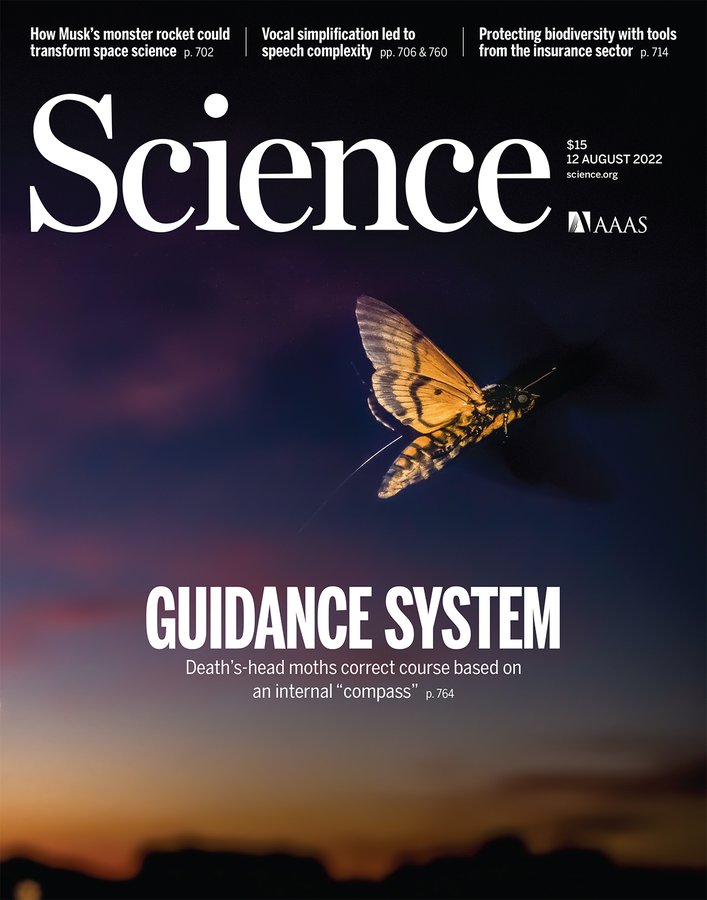
Death’s-head moths correct course based on an internal “compass,” a new study finds, revealing insights into how insects traverse such long distances during seasonal migrations.
Logistical and ethical challenges are complicating the design of efficacy studies
U.S. Title IX law update requiring mandatory reporting of sexual misconduct would cause harm, they say
Long magnetic lull mimics Maunder Minimum, when sunspots largely disappeared 400 years ago
University of Delaware finding vindicates whistleblowers
Star formation after the big bang appears much faster than models had forecast
Read that research and more this week in Science. https://fcld.ly/zebukkw
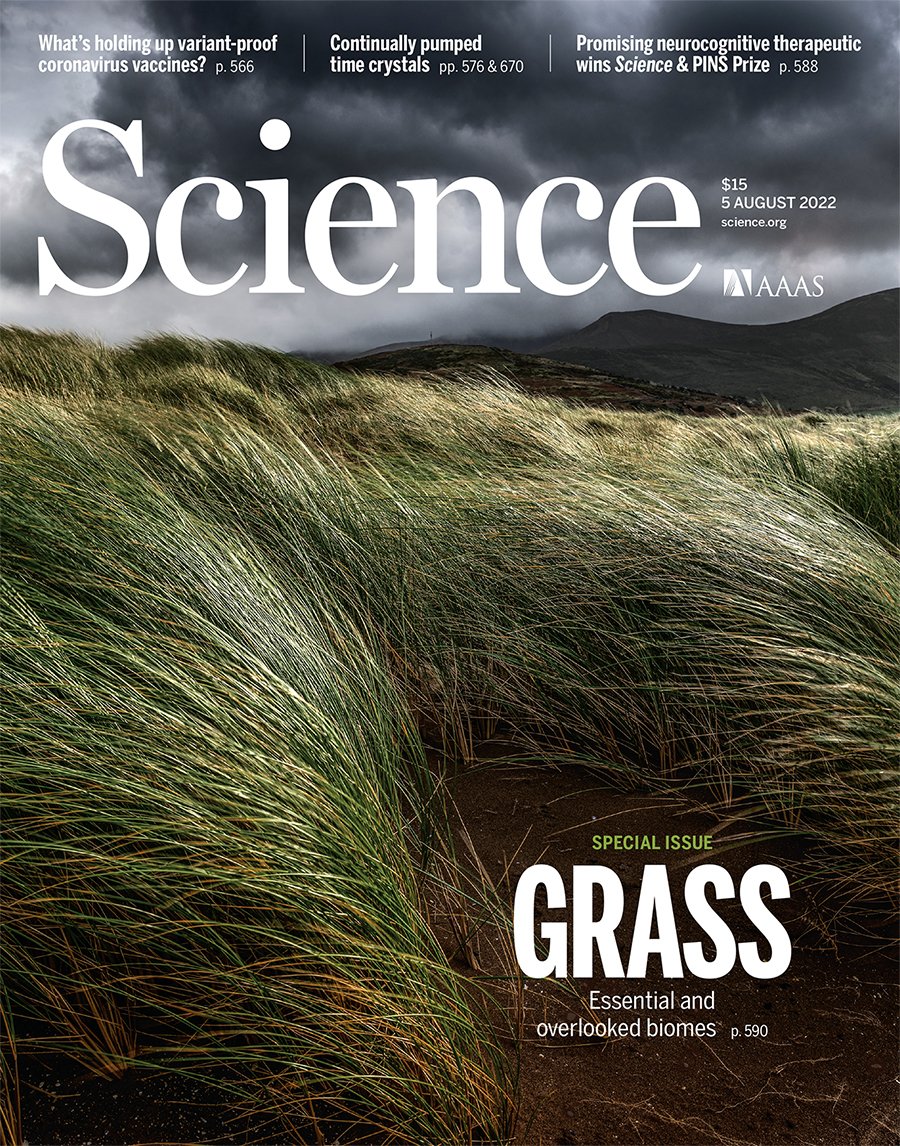
Marram grass, or beachgrass, grows on and stabilizes coastal sand dunes on Ireland’s Dingle Peninsula. Grasses, whether terrestrial or submarine, tend to be undervalued but have influenced the trajectory of human history through their domestication as food staples, as well as natural ecosystems worldwide. If restored and conserved appropriately, grasslands can benefit climate change mitigation efforts. See the special section beginning on page 590.
A new special issue of Science explores the unrecognized value of grass: https://fcld.ly/bo80dpr
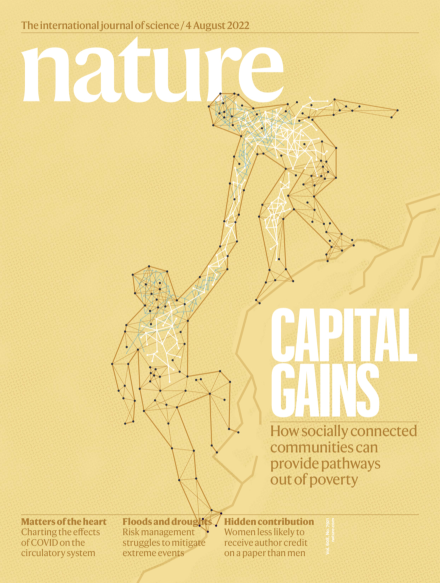
An individual’s social network and community — their ‘social capital’ — has been thought to influence outcomes ranging from earnings to health. But measuring social capital is challenging. In two papers in this week’s issue, Raj Chetty and his colleagues use data on 21 billion friendships from Facebook to construct a Social Capital Atlas containing measures of social capital for each ZIP code, high school and college in the United States. The researchers measure three types of social capital: connectedness between different types of people, social cohesion and civic engagement. They find that children who grow up in communities where people of low and high socio-economic status interact more have substantially greater chances of rising out of poverty. The team then examines what might limit social interactions across class lines, finding a roughly equal contribution from lack of exposure — because children in different socio-economic groups go to different schools, for example — and friending bias, the tendency for people to befriend people similar to them.
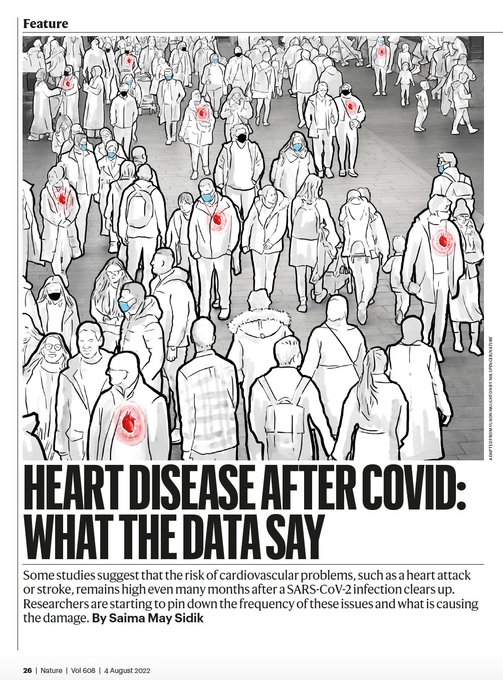
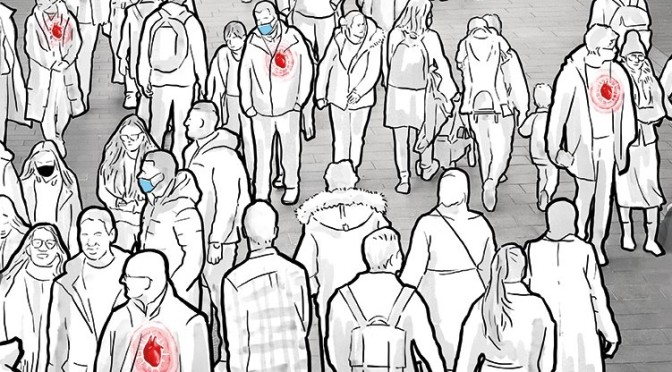
In December 2020, a week before cardiologist Stuart Katz was scheduled to receive his first COVID-19 vaccine, he came down with a fever. He spent the next two weeks wracked with a cough, body aches and chills. After months of helping others to weather the pandemic, Katz, who works at New York University, was having his own first-hand experience of COVID-19.
On Christmas Day, Katz’s acute illness finally subsided. But many symptoms lingered, including some related to the organ he’s built his career around: the heart. Walking up two flights of stairs would leave him breathless, with his heart racing at 120 beats per minute. Over the next several months, he began to feel better, and he’s now back to his normal routine of walking and cycling. But reports about COVID-19’s effects on the cardiovascular system have made him concerned about his long-term health. “I say to myself, ‘Well, is it really over?’” Katz says.
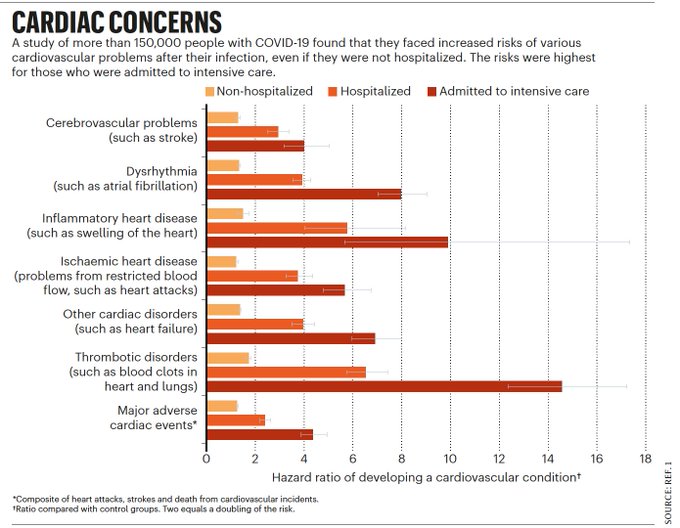
In one study1 this year, researchers used records from the US Department of Veterans Affairs (VA) to estimate how often COVID-19 leads to cardiovascular problems. They found that people who had had the disease faced substantially increased risks for 20 cardiovascular conditions — including potentially catastrophic problems such as heart attacks and strokes — in the year after infection with the coronavirus SARS-CoV-2. Researchers say that these complications can happen even in people who seem to have completely recovered from a mild infection.
Some smaller studies have mirrored these findings, but others find lower rates of complications. With millions or perhaps even billions of people having been infected with SARS-CoV-2, clinicians are wondering whether the pandemic will be followed by a cardiovascular aftershock. Meanwhile, researchers are trying to understand who is most at risk of these heart-related problems, how long the risk persists and what causes these symptoms.
Two viruses plus a child’s genetic background may explain a recent surge in the United Kingdom
Success rates for white scientists far exceed the NSF average, whereas Black and Asian researchers do worse
Giant study of ancient pottery and DNA challenges common evolutionary explanation for lactase persistence
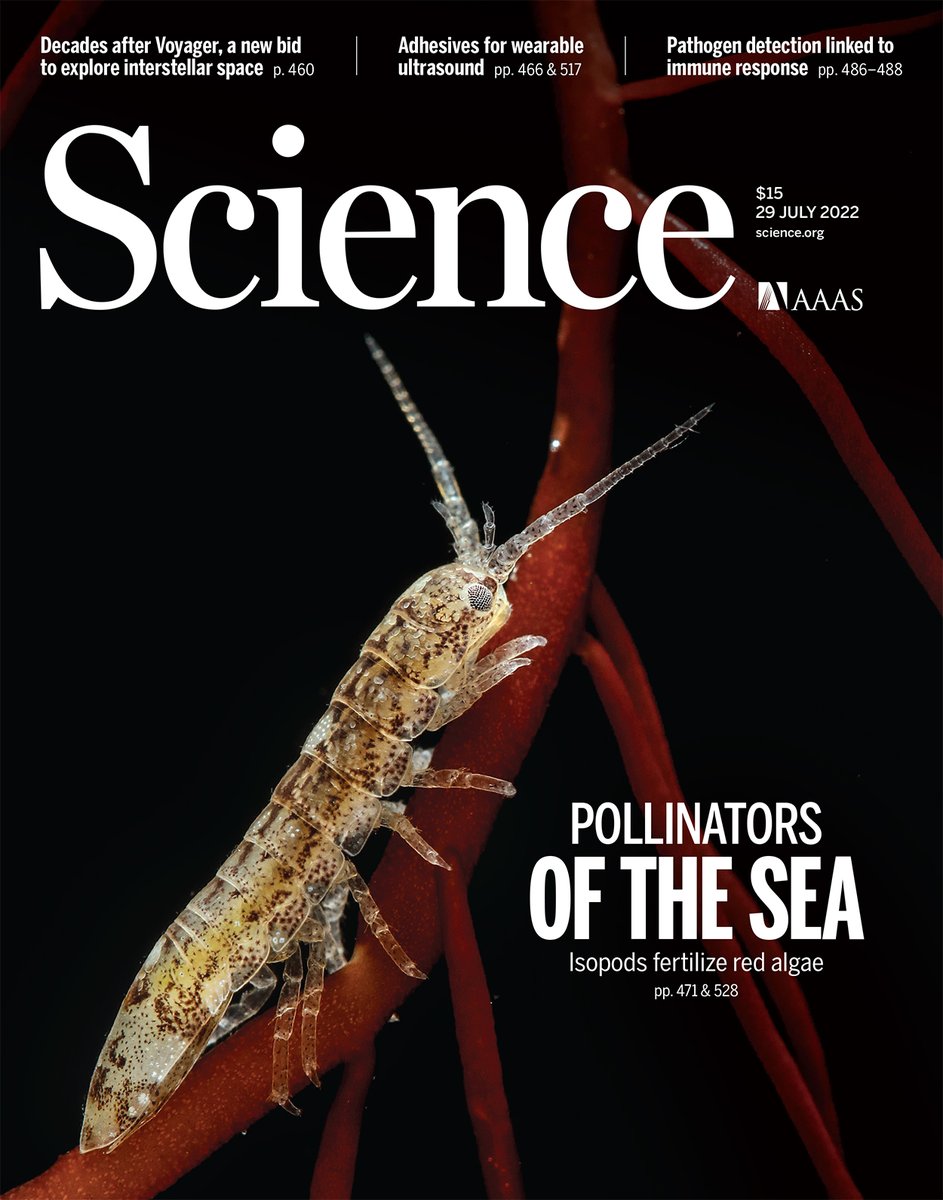
A small marine isopod plays a role in fertilizing red seaweed, according to a new report that presents evidence of animal-mediated “pollination” in the marine environment. Read that study and more this week in Science: https://fcld.ly/fhhe8ba
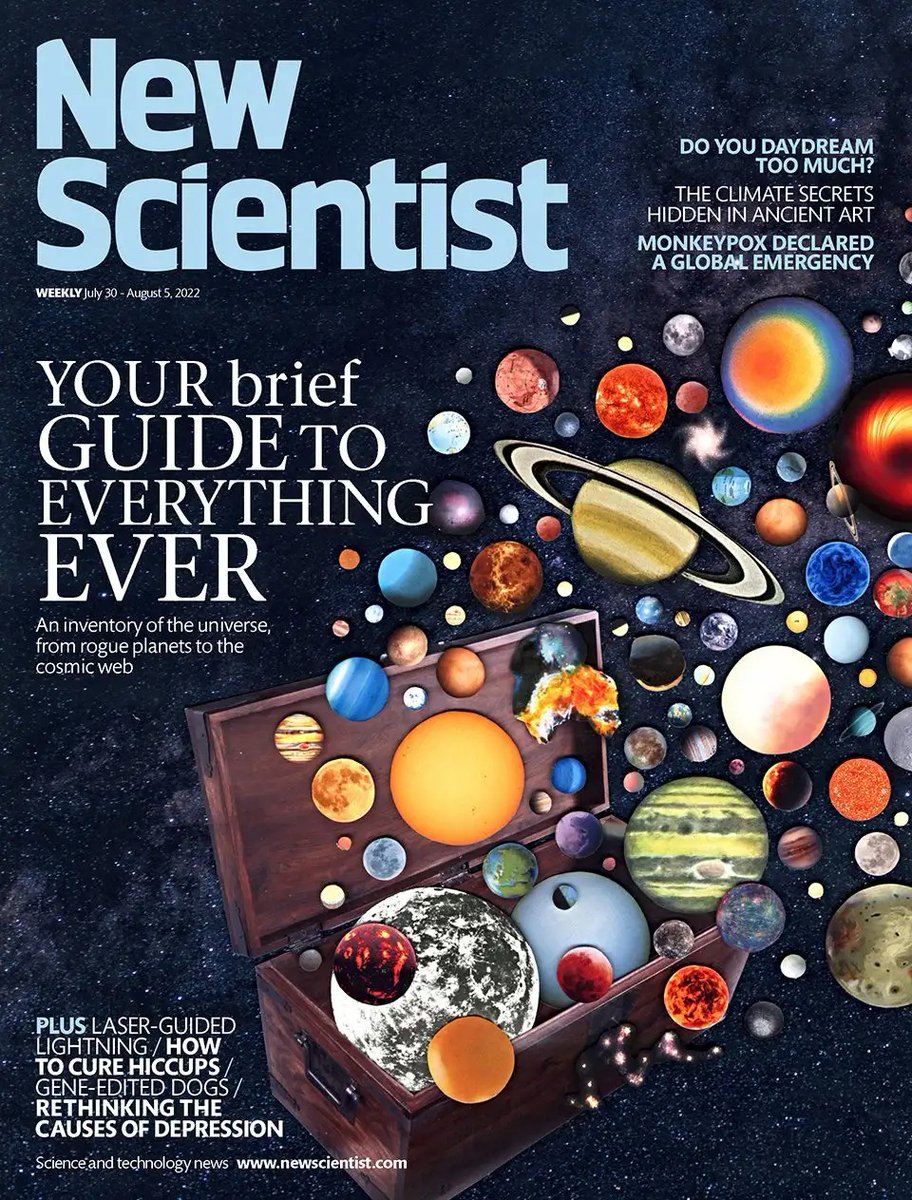
Grab a copy from newsstands now or get our app to download digital and audio editions. https://newscientist.com/issue/3397/

 Boomers Daily