
Tag Archives: Research

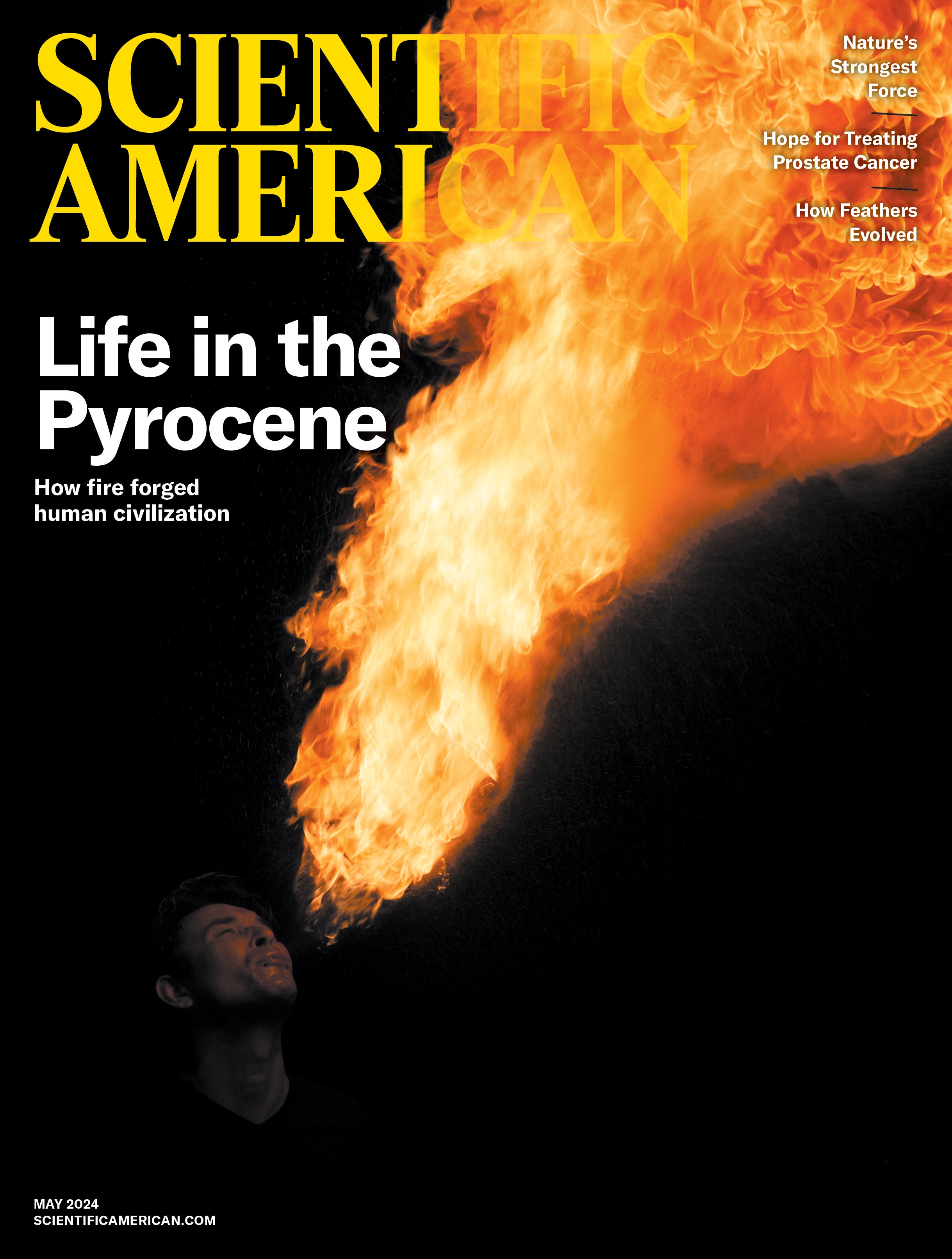
Scientific American Magazine – May 2024

Scientific American Volume 330, Issue 5 | Scientific American

Scientific American (April 17, 2024): The May 2024 issue features:

Fire Forged Humanity. Now It Threatens Everything

Ancient prophecies of worlds destroyed by fire are becoming realities. How will we respond?

The Secret to the Strongest Force in the Universe

New discoveries demystify the bizarre force that binds atomic nuclei together

Ideas & Research: Harvard Magazine May/June 2024

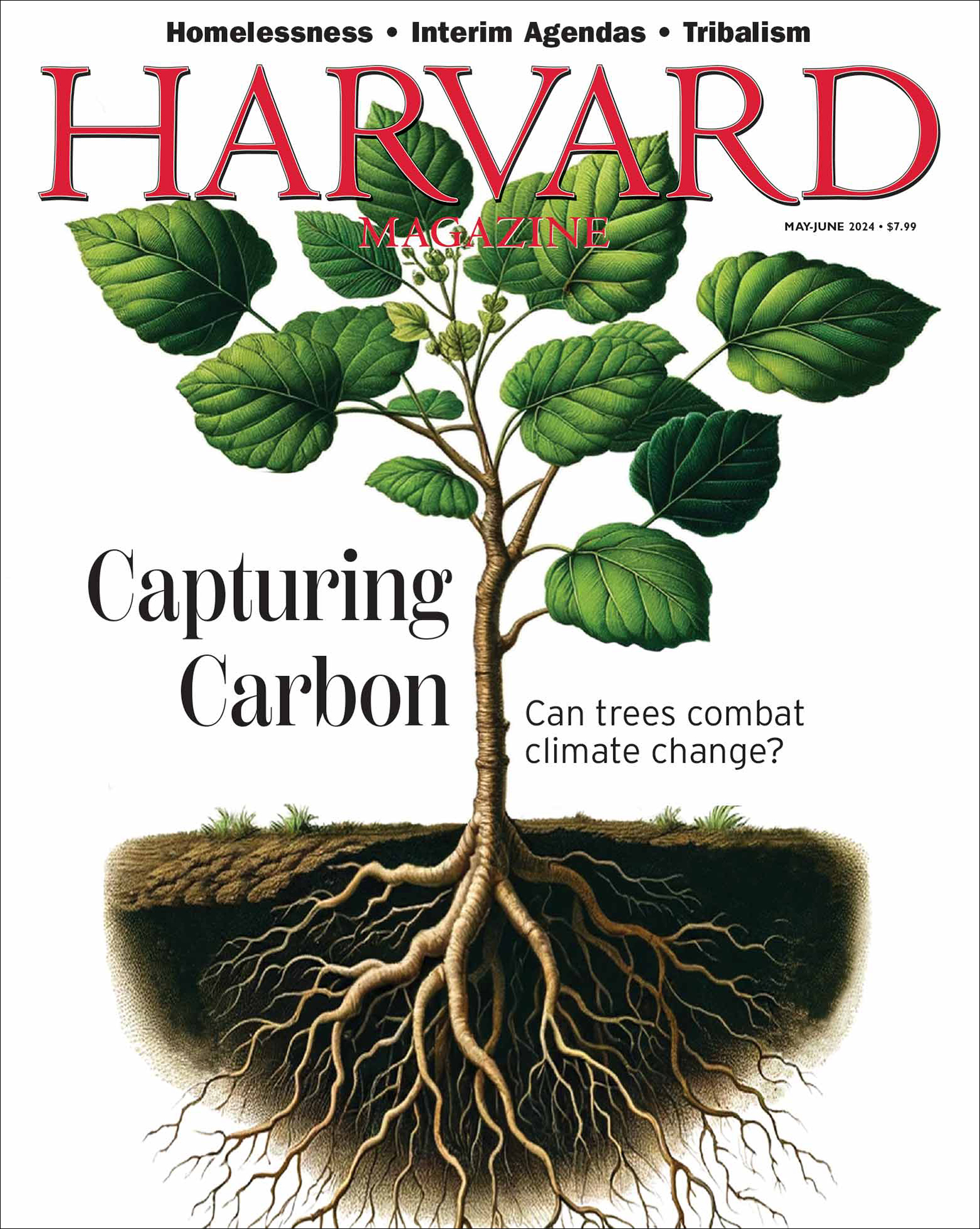
May-June 2024 | Harvard Magazine

HARVARD MAGAZINE May/June2024 :

Plants on a Changing Planet

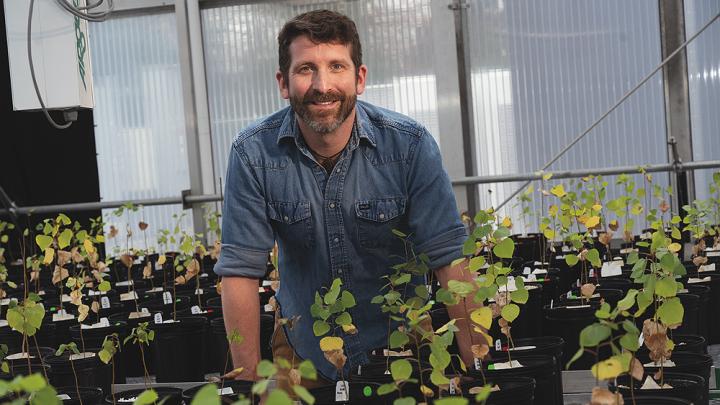
Benton Taylor with cottonwood saplings in a greenhouse at the Arnold Arboretum

How long will the world’s forests impound carbon below ground?

by Jonathan Shaw

MARYVILLE, Tennessee, lies near the foothills of the Great Smoky Mountains, a range home to more tree species than exist in all of Europe. Benton Taylor grew up amidst this abundance, but as a boy, he barely noticed the plants. In the nearby national park, a family friend was raising—together with a menagerie of other mammals—a pair of bears orphaned as cubs. Taylor dreamed of studying these apex denizens of the forest, who forage at the top of the food chain. But as his education and understanding grew, his curiosity shifted to seed-dispersing animals, plants, and the soil and nutrients that sustain them: a trip down the trophic pyramid, driven by an appreciation of forests as ecological systems in which plants are primary producers. “Now I’ve half moved into the basement,” jokes the assistant professor of organismic and evolutionary biology, whose research encompasses the strategies plants use to obtain essential nutrients such as nitrogen, and how that, in turn, affects their ability to store another vital element with a global climate impact: carbon.

Diversifying Diet – A little-known diet improves cardiovascular health through several distinct mechanisms. 

by Nina Pasquini

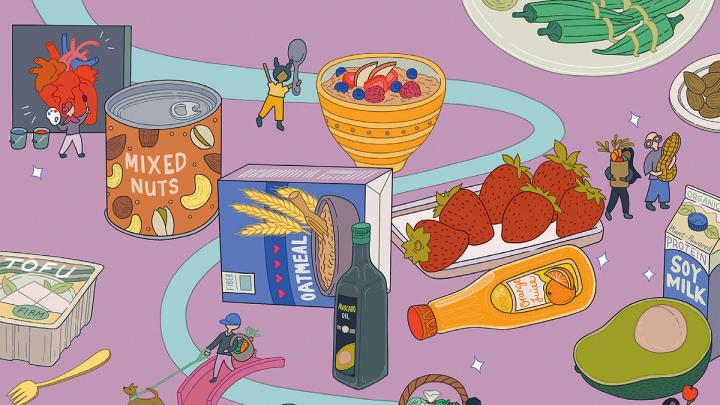
An illustration of foods included in the portfolio diet.

DIVERSIFYING one’s assets is useful not only in finance but also in diet, according to an October study from the Harvard T.H. Chan School of Public Health (HSPH). Though not many people have heard of the “portfolio diet”—consisting of plant-based foods proven to lower unhealthy cholesterol, such as nuts, oats, berries, and avocados—it is one of the easiest ways to improve long-term cardiovascular health. “The idea was that each of these foods lowers cholesterol quite minimally, but if you make a whole diet based on these different foods, you will see large reductions in [unhealthy] cholesterol,” said Andrea Glenn, an HSPH postdoctoral research fellow in nutrition and the lead author of the study. The more of these foods one eats, the higher the protection—but one need not include them all to reap the diet’s benefits, she said. “Like a business portfolio, you can choose the ones you want.”

The Gravity of Groups

Mina Cikara in a classroom with two groups of students

Mina Cikara explores how political tribalism feeds the American bipartisan divide.

by Max J. Krupnick

Research Preview: Science Magazine – April 5, 2024

Current Issue Cover

Science Magazine – April 4, 2024: The new issue features ‘Lucy At 50’ – Fifty years ago in Ethiopia, paleoanthropologists unearthed the 3.2-million-year-old skeleton known as “Lucy” and transformed our views of humanity’s origins.

LUCY’S WORLD

Was Lucy the mother of us all? Fifty years after her discovery, the 3.2-million-year-old skeleton has rivals

Intelligent textiles are looking bright

Flexible fiber electronics couple with the human body for wireless tactile sensing

First page of PDF

Research Preview: Science Magazine – March 22, 2024

Image

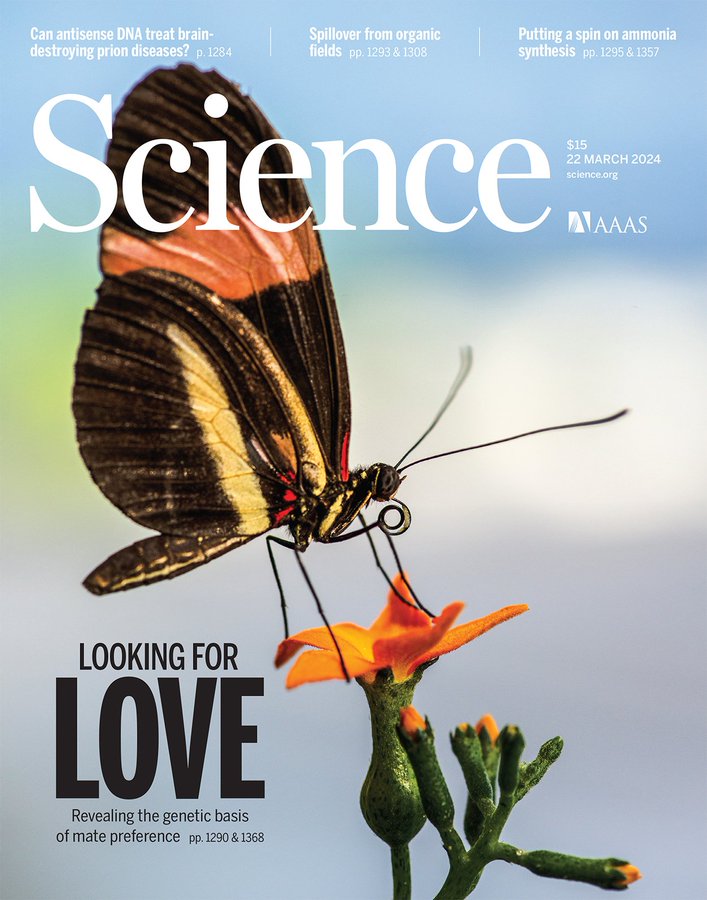
Science Magazine – March 21, 2024: The new issue features ‘Looking for Love’ – Revealing the genetic basis of mate preference…

Mars rover probes ancient shoreline for signs of life

Plans for Perseverance to explore past crater rim may be in jeopardy

More math, less “math war”

A false “equity versus excellence” debate over mathematics curricula has long disrupted education in the United States

A genetic cause of male mate preference

A gene for mate preference has been shared between hybridizing butterfly species

Collateral impacts of organic farming

Clustering organic cropland can reduce pesticide use on nearby conventional farms

Research Preview: Science Magazine – March 15, 2024

Image

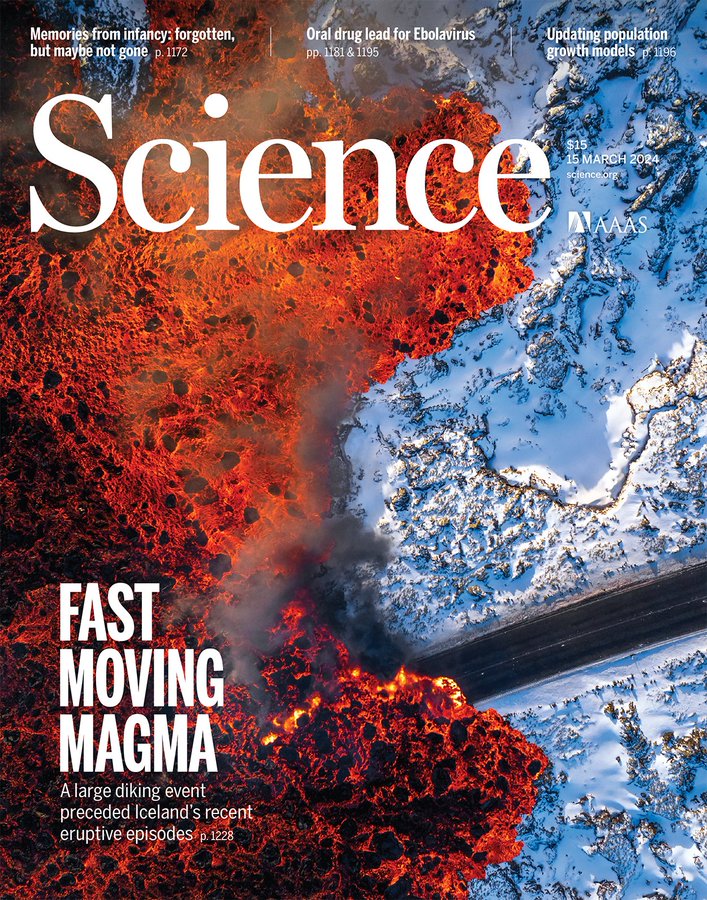
Science Magazine – March 15, 2024: The new issue features ‘Fast Moving Magma’ – A large diking event preceded Iceland’s recent eruptive episodes…

Efforts to screen kids for type 1 diabetes multiply

Blood tests can detect the disease process early, avoiding complications and aiding treatment

‘Damning’ FDA inspection report undermines Alzheimer’s drug

Inspectors faulted analyses of clinical trial samples by Hoau-Yan Wang for drug developer Cassava Sciences

Seafloor fiber-optic cables become sensor stations

“Smart cables” will detect earthquakes, tsunamis, and global warming

‘I’m not Tony’: Anthony Fauci’s heir vows new direction at NIAID

Jeanne Marrazzo, an HIV prevention researcher, sees need for more “holistic” approach to community health problems

Climate Research: The ‘Ice Fields’ Of Patagonia, Chile

DW Documentary (March 4, 2024): Patagonia’s icefields are very difficult to access. As a result, they remain largely unexplored by climate researchers. Now, a scientist and two extreme mountaineers are venturing into this hard-to-reach area, in search of new data for climate research.

Even after 15 years of research in Chile, scientist Tobias Sauter says that for him, many questions remain unanswered. To clarify them, he decides to venture into areas that are difficult to access. The mountaineers Robert Jasper and Jörn Heller agree to help – and put themselves in great danger in the process. The two icefields in the Patagonian Andes, which stretch across the borders of Chile and Argentina, represent the largest ice mass outside the polar ice caps.

However, as a result of climate change, the ice here is losing mass. In some areas, the icefields are losing up to 20 meters in height per year. Little is known about these dramatic developments and their specific causes. The ice field to the north in particular has so far mainly been studied using satellite-based data. The area’s extreme weather conditions and great remoteness make field research on site a challenge. Tobias Sauter from Humboldt University in Berlin is one of the few researchers to take on this challenge.

#documentary #dwdocumentary

Research Preview: Science Magazine – March 1, 2024

Image

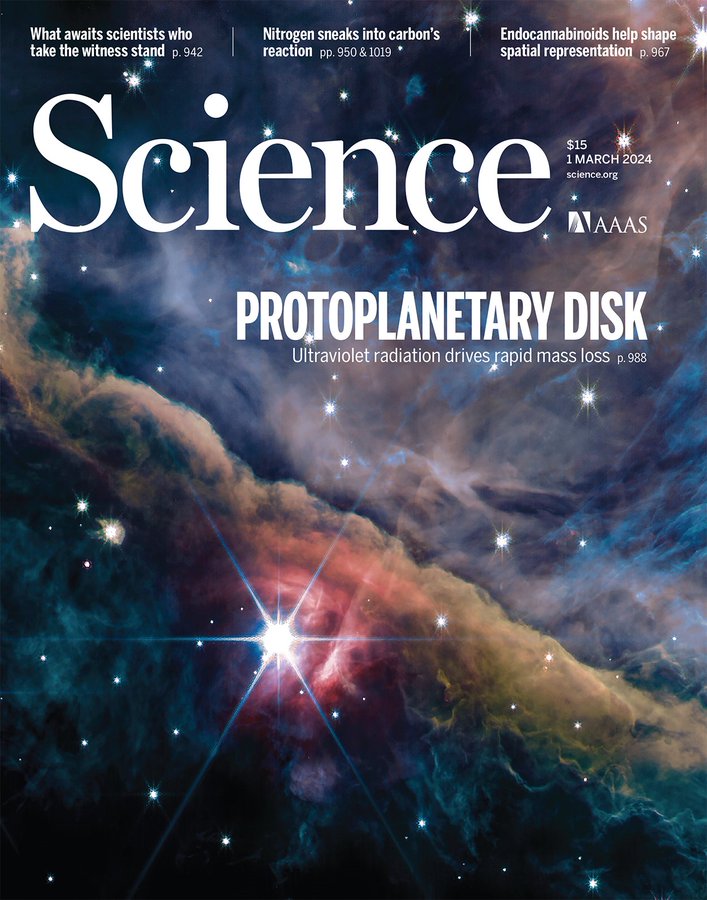
Science Magazine – February 29, 2024: The new issue features ‘Protoplanetary Disk’ – Ultraviolet radiation drives rapid mass loss; What awaits scientist who take the witness stand; Nitrogen sneaks into carbon’s reaction; Endocannabinoids help shape spatial representation…

    First page of PDF

    Research Preview: Nature Magazine – Feb 29, 2024

     and Bo Xia

    Volume 626 Issue 8001

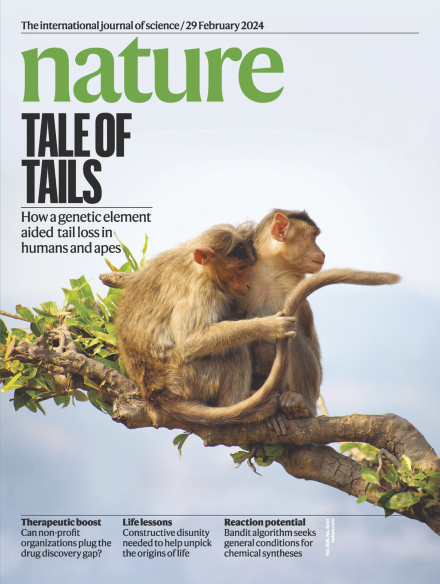
    Nature Magazine – February 28, 2024: The latest issue cover features ‘Tale of the Tails’ – How a genetic element aided tail loss in humans and apes; RNA-editing therapies for genetic diseases have in the past few months gained approval for clinical trials, raising hopes for safer treatments…

    Move over, CRISPR: RNA-editing therapies pick up steam

    Two RNA-editing therapies for genetic diseases have in the past few months gained approval for clinical trials, raising hopes for safer treatments.

    200 years of naming dinosaurs: scientists call for overhaul of antiquated system

    Some palaeontologists want more rigorous guidelines for naming species, along with action to address problematic historical practices.

    MEGA-CRISPR tool gives a power boost to cancer-fighting cells

    A system that edits RNA rather than DNA can give new life to exhausted CAR T cells.

    Research Preview: Science Magazine – Feb 23, 2024

    Current Issue Cover

    Science Magazine – February 22, 2024: The new issue features ‘Snake Shift’ – Burst of evolutionary innovation occurred with the origin of snakes….

    Solving the puzzle of Long Covid

    Long Covid provides an opportunity to understand how acute infections cause chronic disease

    Research: New Scientist Magazine – Feb 24, 2024

    New Scientist Default Image

    New Scientist Magazine (February 22, 2024): This issue features ‘The Human Brain’ – How it works, why it fails and the secrets to using it better…

    New evidence finally reveals how male and female brains really differ

    The strange truth about why thinking hard makes you feel exhausted

    Why the brain’s microbiome could hold the key to curing Alzheimer’s

    Supercommunicators review: Learning how to change deeply held beliefs

    Are you truly healthy? These new tests provide the ultimate check-up

    How we will discover the mysterious origins of life once and for all

    With privacy concerns rising, can we teach AI chatbots to forget?