
From an Imbibeinc.com online release:
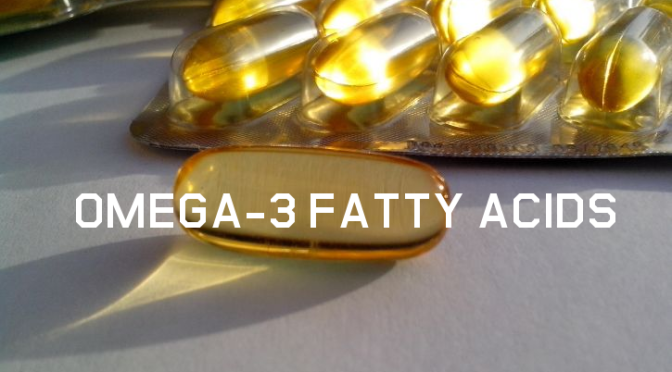
 Omega-3s have a variety of health benefits that consumers want. Consuming omega-3s is suggested to help fight against depression, anxiety, mental decline and heart disease as well as promote brain health during early child development. Expect several omega-3 enhanced beverages in 2020.
Many consumers are reducing their intake of beverages once lauded for having nutrient benefits like orange juice and dairy milk, so there’s a lot of opportunity for brands to fortify products with vitamins and minerals. Expect to see beverages fortified with zinc, calcium, potassium, sodium, and vitamins B-12, C, and D.
Awareness about the advantages of a healthy microbiome for overall health has increased significantly over the last decade. Since prebiotics and probiotics both play an important role in maintaining a healthy gut, expect several launches of synbiotic beverages (i.e. have prebiotics and probiotics).
To read more: https://imbibeinc.com/food-and-beverage-industry-media/blog-postings-from-the-drink-tank/trendspotting-2020-trend-predictions
 “What you want is more, small fat cells rather than fewer, large fat cells,” Jackson said. “A large fat cell is not a healthy fat cell. The center is farther away from an oxygen supply, it sends out bad signals and it can burst and release toxic contents.” Large fat cells are associated with insulin resistance, diabetes and inflammation, he added.
 Boomers Daily