
Tag Archives: Ocean Science

Documentaries: What Causes ‘Monster Waves’?

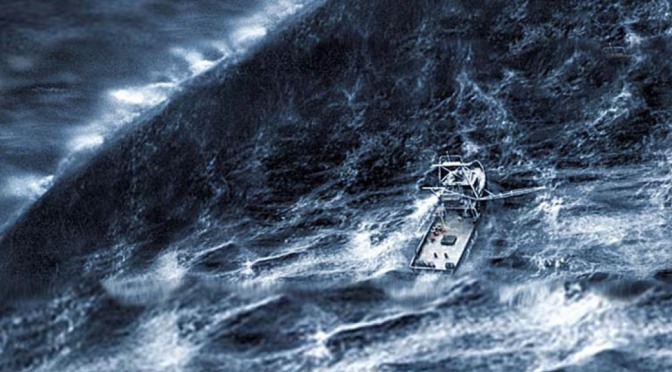
DW Documentary (April 30, 2023) – Statistically, a large ship is lost in the world’s oceans almost once every seven days. One reason for this: monster waves that appear to come from nowhere. Unlike tsunamis, they are completely unpredictable. That means there’s no way to issue any kind of warning.

Scientists still know astonishingly little about these freak waves. For centuries, many people dismissed them as the stuff of legend. The first scientific proof of their existence didn’t come until 1995. A laser on the Draupner oil rig in the North Sea measured a wave almost 26 meters high. Wave models in use at the time deemed this to be an impossibility.

But the data, captured by chance, changed the course of research forever. Scientists have focused on three theories in their bid to explain the emergence of freak waves. The first is the current model: currents flowing in opposite directions reduce the length of the waves, pushing them together to create a monster surge. But freak waves are also a phenomenon in regions where currents aren’t particularly strong.

That’s why researchers came up with a second theory: superposition. In this linear process, faster, longer waves catch up with short, slower waves. They overlap and form monster waves. But in some places, freak waves occur with a frequency that can’t be explained by this linear theory, either.

For several years now, scientists have been considering a third possibility: when non-linear wave trains are unstable, they can develop into monster waves through a highly complex energy “theft”. Research is divided over whether it’s the linear or non-linear effects that form freak waves out at sea – a question that’s crucial for shipping!
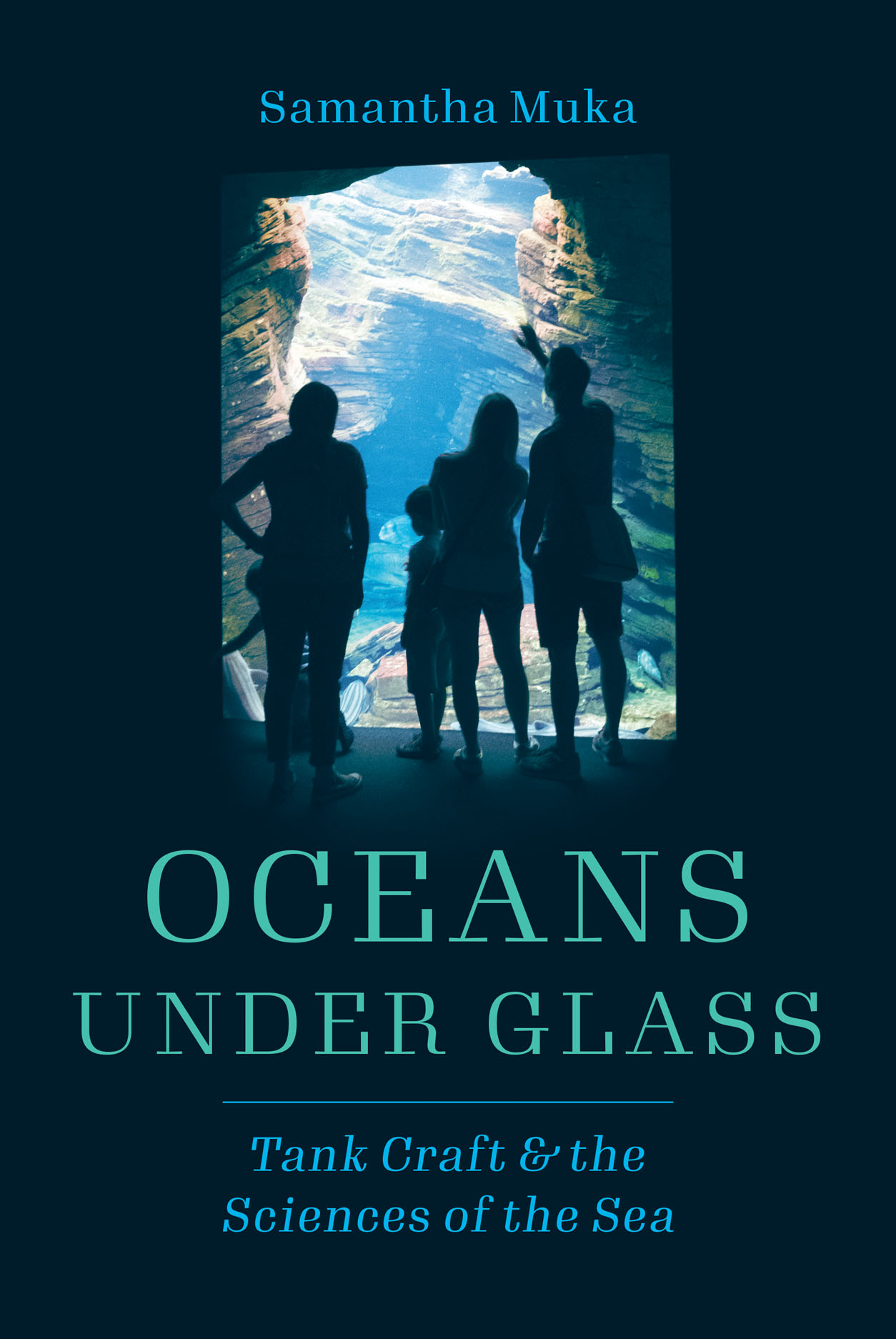
Top New Science Books: ‘Oceans Under Glass’ By Samantha Muka (Dec ’22)

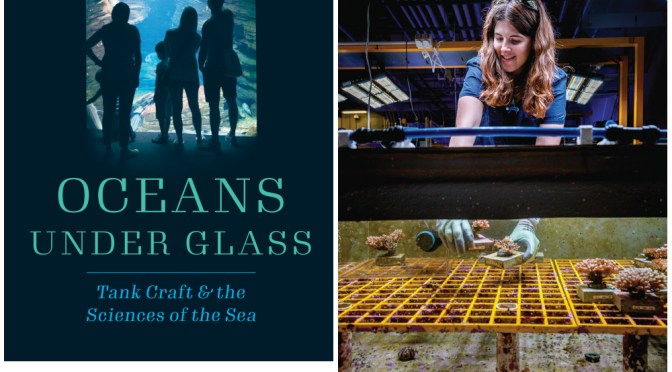
Oceans under Glass

Oceans under Glass – Tank Craft and the Sciences of the Sea

By Samantha Muka

Aquarist knowledge is an often overlooked but vital part of marine research

A welcome dive into the world of aquarium craft that offers much-needed knowledge about undersea environments.

The art of aquarium science

Atlantic coral is rapidly disappearing in the wild. To save the species, they will have to be reproduced quickly in captivity, and so for the last decade conservationists have been at work trying to preserve their lingering numbers and figure out how to rebuild once-thriving coral reefs from a few survivors. Captive environments, built in dedicated aquariums, offer some hope for these corals. This book examines these specialized tanks, charting the development of tank craft throughout the twentieth century to better understand how aquarium modeling has enhanced our knowledge of the marine environment.

Science Magazine – December 22, 2022

Image showing first page of PDF


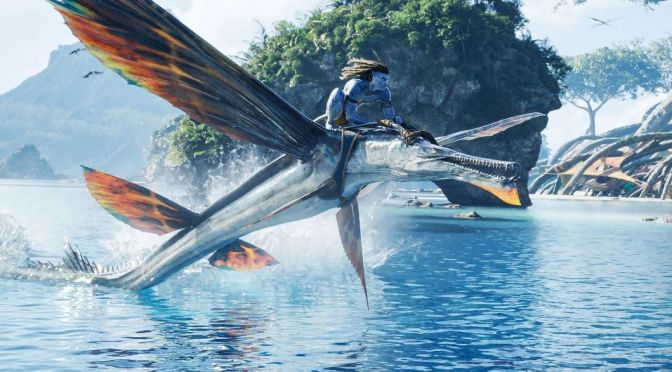
Reviews: ‘Avatar – The Way Of Water’ – The Science Of James Cameron’s 2022 Film

National Geographic – James Cameron is diving into the deep: this time, into the oceans of an alien world. The director shares how Earth’s oceans inspired The Way of Water—and his hope it will motivate viewers to protect our own planet.

National Geographic recently spoke with Cameron from New Zealand about the science and technology of The Way of Water. What inspired these creatures, and how did Cameron and his team bring them to life?

Read the article to find out: https://on.natgeo.com/3VWciu5

Ocean Science: Can Kelp Forests Survive Climate Change, Trawler Fishing

Kelp locks up millions of tonnes of carbon globally, provides a nursery for fish and is a buffer against coastal flooding. But climate change, weather and fishing are taking their toll. Now, Mika Peck and his team at the University of Sussex are monitoring kelp off the south coast of the UK, to see if it can recover from the damage done to it by trawling and help improve biodiversity in the area.