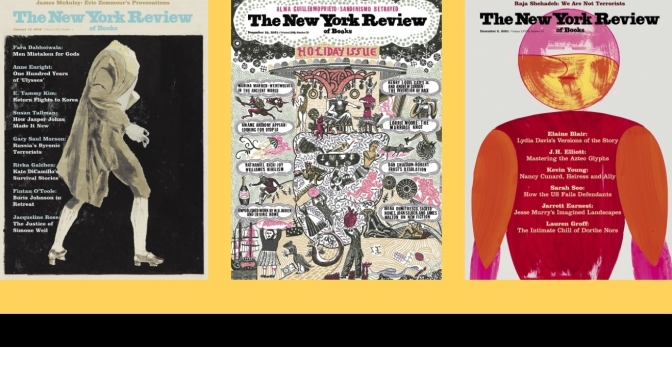
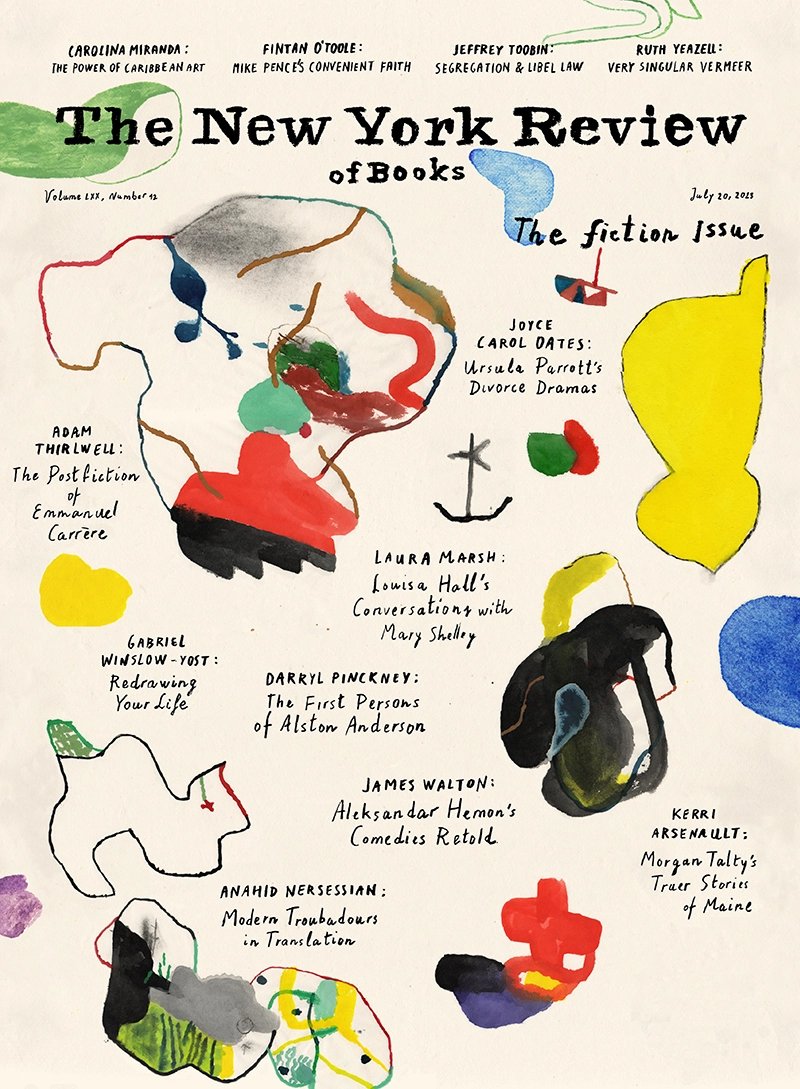
The New York Review of Books – July 20, 2023 issue: The Fiction Issue features Adam Thirlwell on Emmanuel Carrère, Carolina Miranda on contemporary Caribbean art, Darryl Pinckney on a new reissue of a classic of American vernacular literature, Fintan O’Toole on Mike Pence’s pallid pomp, Daniel Mendelsohn on Bob Gottlieb, and more.
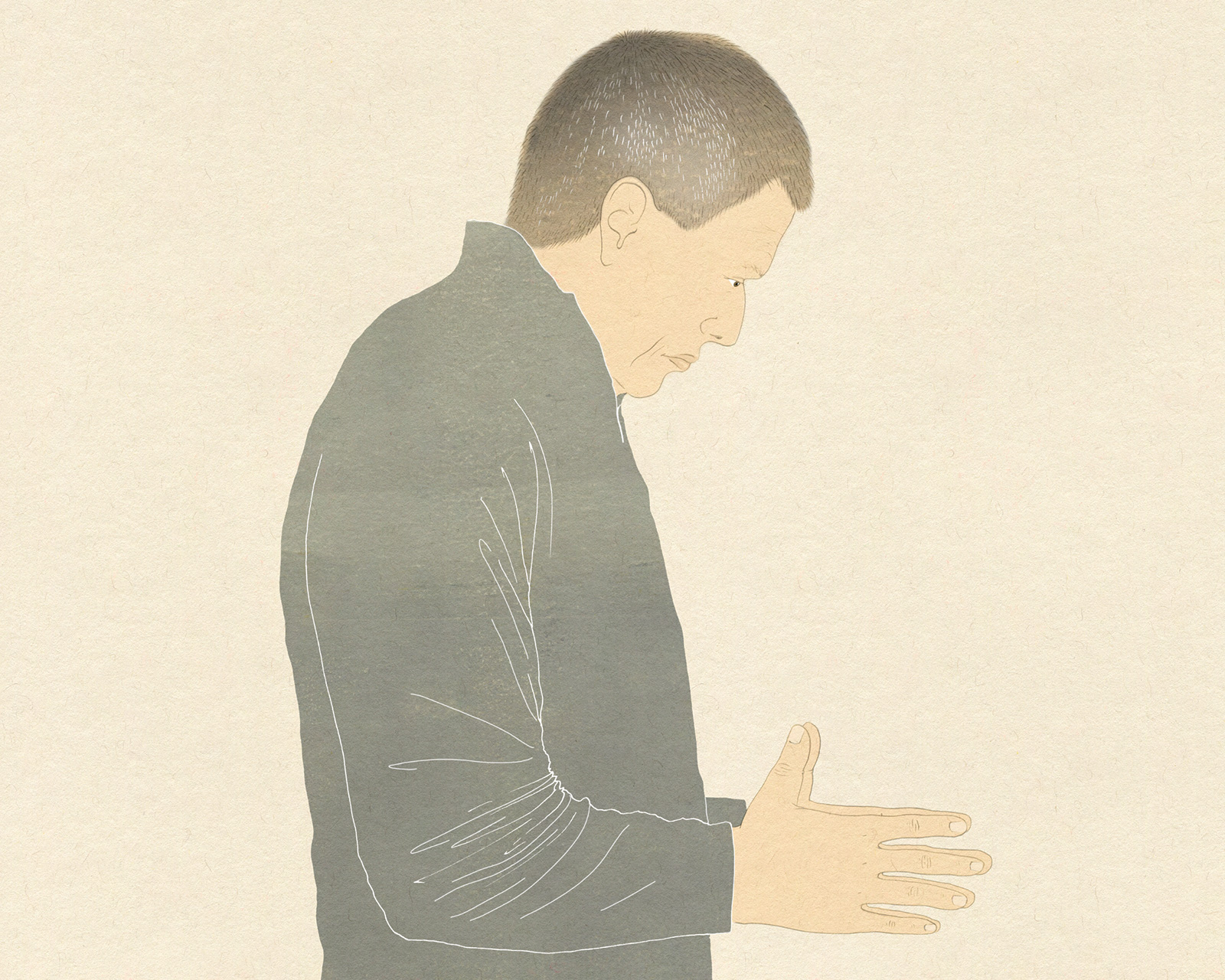
Emmanuel Carrère’s new book, Yoga, has been the subject of gossipy debate about its veracity, but it is seductively open about its own anxiety as a work of fiction.
Johannes Vermeer, one of the most intimate and quiet of artists, who is celebrated for the silence and light of his paintings, has become, paradoxically, a crowd-pleaser.
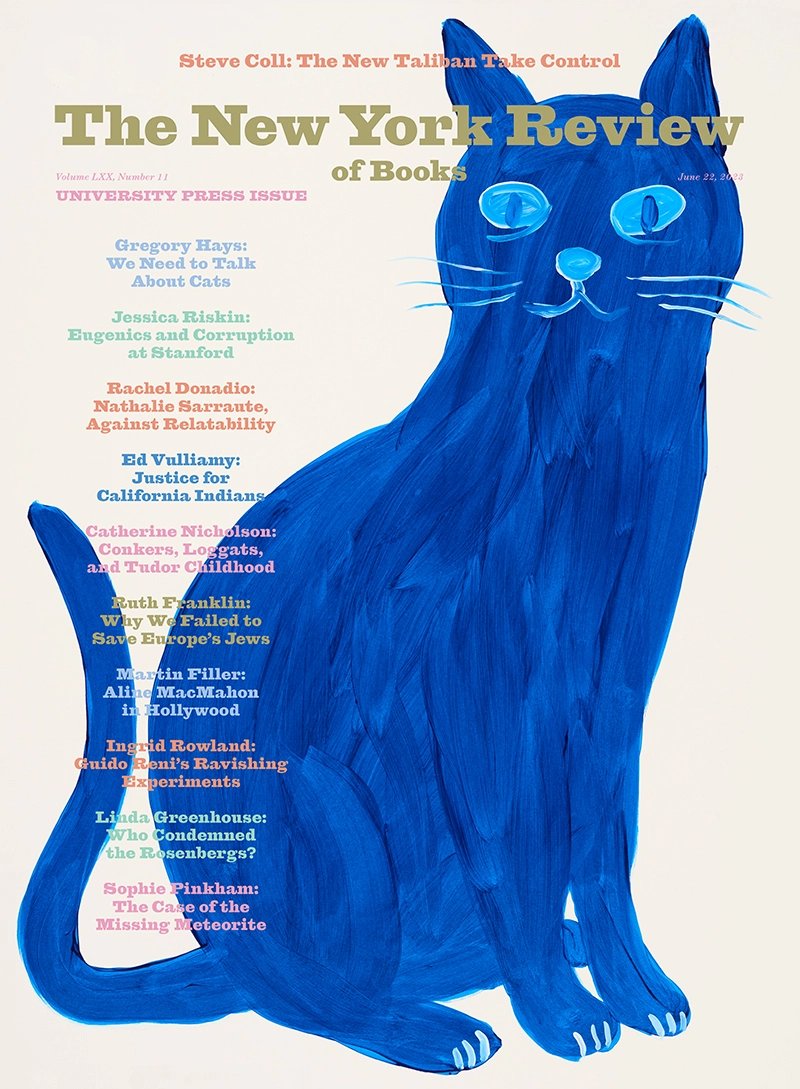
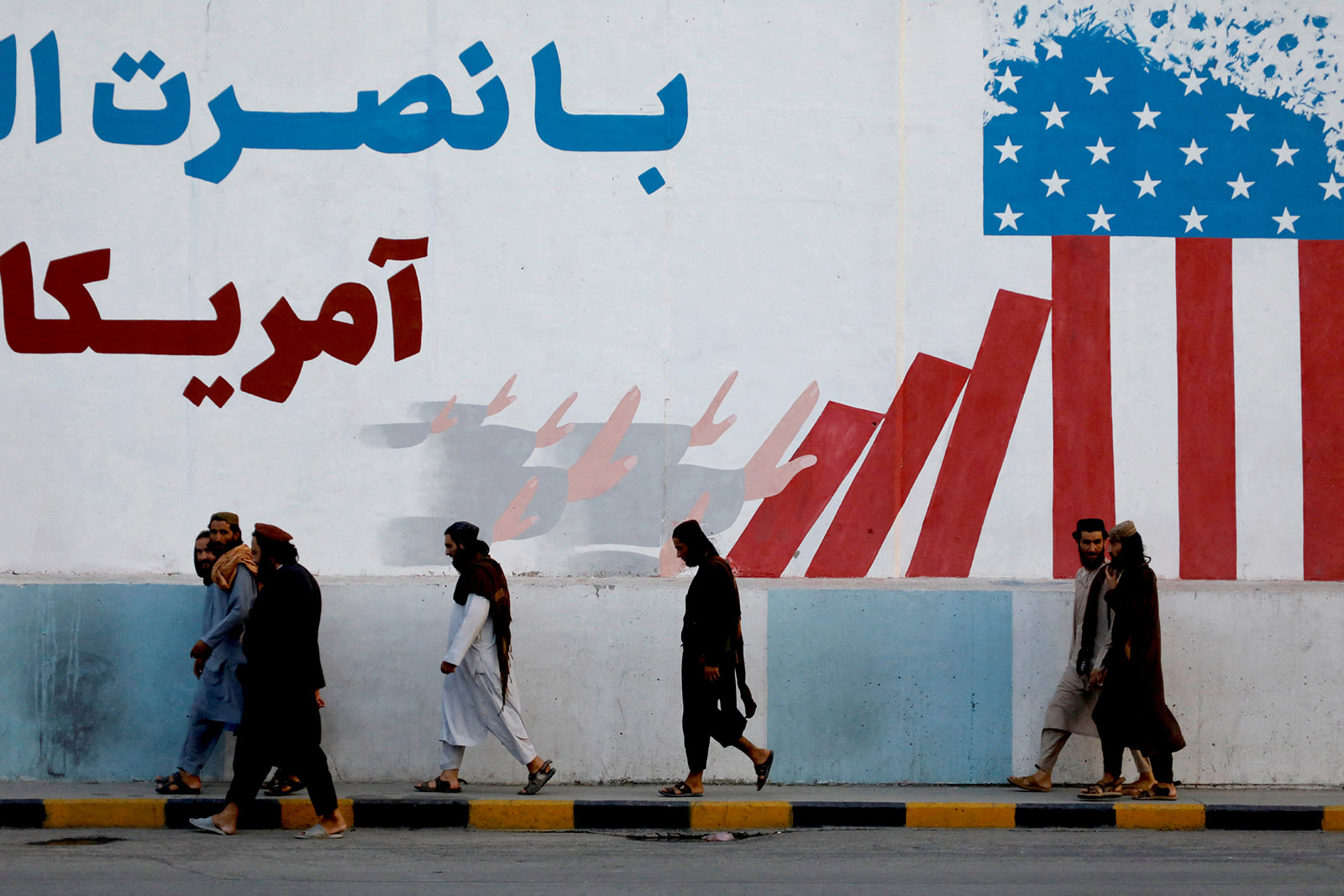
The New York Review of Books – June 22, 2023 issue: Fara Dabhoiwala on the ingenious index, Ingrid D. Rowland on Guido Reni’s questing soul, Rachel Donadio on Nathalie Sarraute’s sensual eviscerations, Steve Coll on the Taliban’s second emirate, Jessica Riskin on the poisoning of Jane Stanford, Ruth Franklin on Ken Burns’s The US and the Holocaust, Gary Saul Morson on Tolstoy’s conversion, Ed Vulliamy on the Native Americans of California, Linda Greenhouse on judging the Rosenbergs, Gregory Hays on our feline friends, poems by Shane McCrae and Fernando Pessoa, and much more.
In his new history of the index, Dennis Duncan traces its evolution through the constantly changing character of reading itself.
In 1941 an ambitious Philadelphia pediatrician, the wonderfully named Waldo Emerson Nelson, became the editor of America’s leading textbook of pediatrics. For the next half-century the compilation of successive editions of this large volume advanced his career, consumed his weekends, and encroached heavily on his domestic life.
Hassan Abbas’s book surveys the second Islamic Emirate’s ideology and leading personalities and probes its internal tensions.
Nearly two years after the Taliban’s return to power in Kabul, the UN refers to the regime only as “the de facto authorities,” to avoid any hint of formal recognition of the Islamic Emirate of Afghanistan, as the Taliban call their government. By any name, the Taliban today control Afghanistan’s territory, as well as federal ministries and local administrations. They also preside over a nation in severe crisis. Food insecurity haunts at least half of the population; a country shattered by more than four decades of war again faces the shadow of famine.
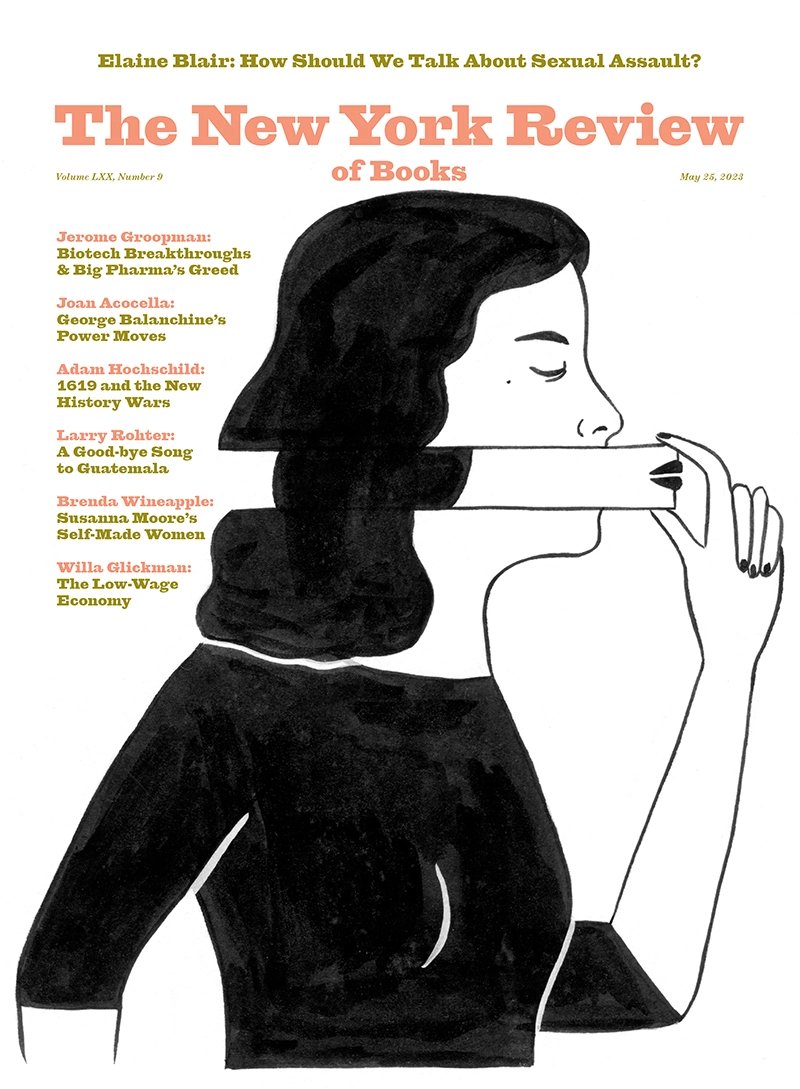
The New York Review of Books – May 25, 2023 issue: Michael Hofmann on Goethe’s last years, Jerome Groopman on the business of biotech, Joan Acocella on Balanchine, Jed S. Rakoff on William O. Douglas’s environmentalism, Adam Hochschild on 1619 and 1776, Willa Glickman on grassroots labor unions, Brenda Wineapple on Susanna Moore, Ian Johnson on art looters, Jenny Uglow on Samuel Pepys and the wreck of the HMS Gloucester, Nicholas Guyatt on financing the Civil War, Elaine Blair on how we talk about sexual assault, poems by Eugene Ostashevsky, D. Nurske, and Ama Codjoe, and much more.
In Johann Eckermann, Goethe found an amanuensis made in heaven.
Conversations with Goethe: In the Last Years of His Life by Johann Peter Eckermann, translated from the German by Allan Blunden, with an introduction and notes by Ritchie Robertson
A strange time to publish—strange time to publish anything—a translation of Eckermann’s Conversations with Goethe (or should that be Goethe’s Conversations with Eckermann?), in six hundred static, major-key pages that can easily feel like twice as many. The big man, himself by now somewhat fallen on hard times, recorded by the little acolyte.
A new book reveals the split personality of the biotech industry: an altruistic enterprise that creates breakthrough treatments for patients in need, and a bare-knuckle business that seeks to generate astronomic profits and stop competitors from developing better treatments.
A research scientist for Pharmacyclics, Sunnyvale, California, 2013. In For Blood and Money, Nathan Vardi writes that when Pharmacyclics—which developed ibrutinib, a treatment for chronic lymphocytic leukemia—was bought by the pharmaceutical giant AbbVie in 2015 for $21 billion, ‘the deal…set the new high-water mark for success in the biotechnology industry.’
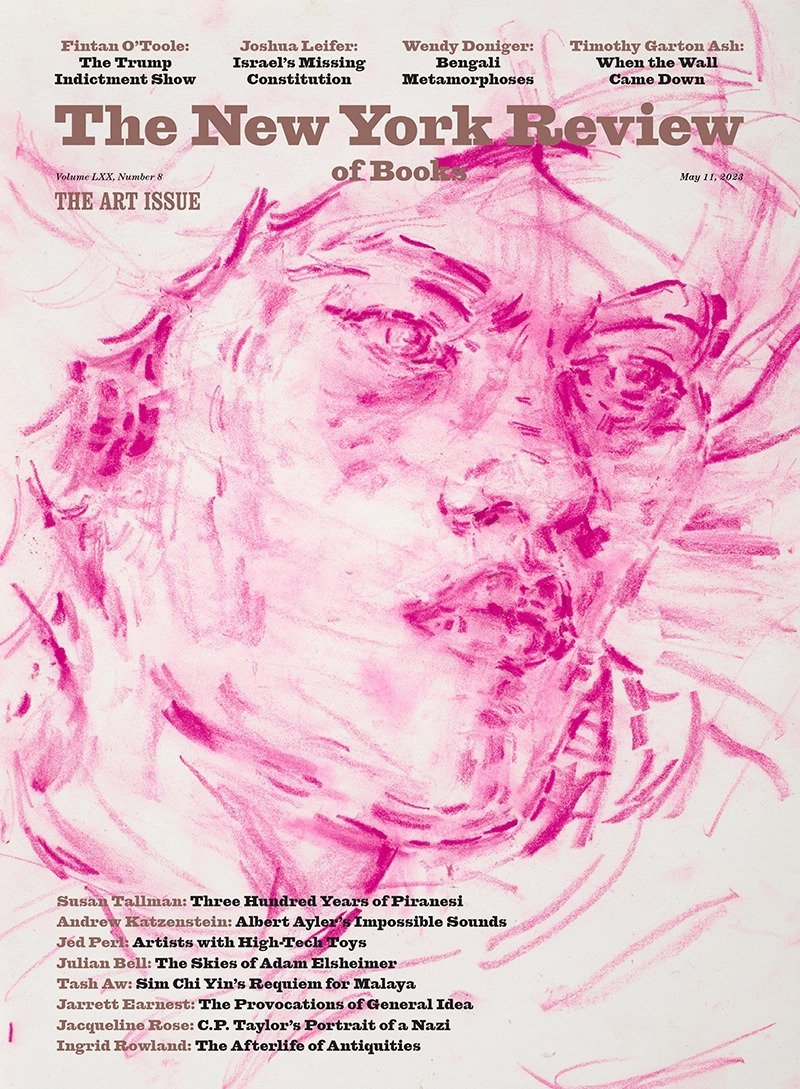
The New York Review of Books – May 11, 2023 issue: The Art Issue features Fintan O’Toole on the return of the Trump circus, Susan Tallman on why Piranesi still speaks to us, Joshua Leifer on democracy deferred in Israel, Ingrid D. Rowland on recycling antiquity, and Julian Bell on Adam Elsheimer’s oceanic immensity.
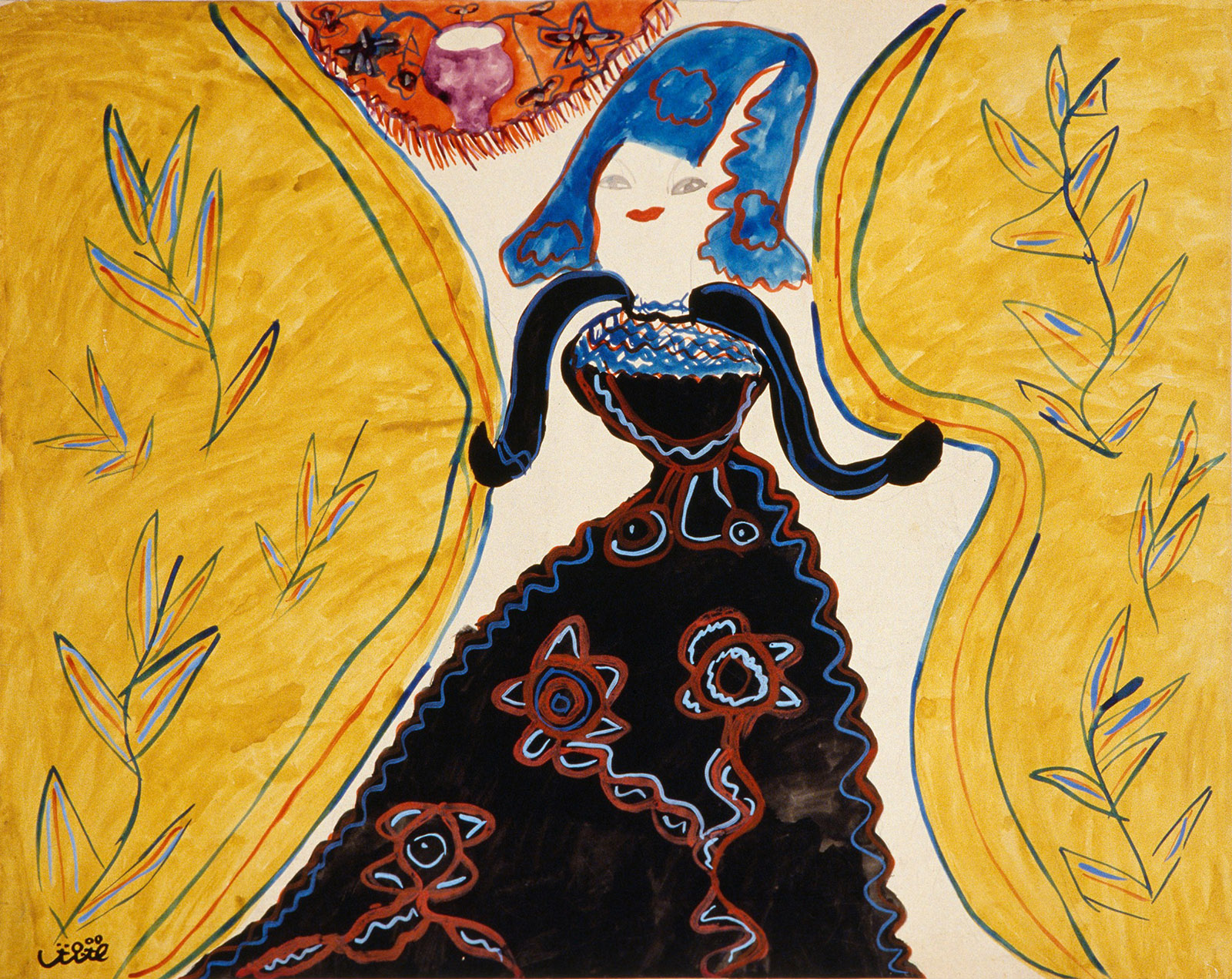
Bachir Mahieddine/Institut du Monde Arabe, ParisBaya: The Yellow Curtains, 1947
An exhibition of the Algerian painter’s work liberates it from the political symbolism of late colonialism.
In November 1947 a fifteen-year-old prodigy from colonial Algeria named Baya, described variously as Kabyle, Berber, Muslim, and Arab, exhibited her gouaches and clay sculptures at the Parisian gallery of the art dealer Aimé Maeght. Yves Chataigneau, the French governor of Algeria, and Si Kaddour Benghabrit, the rector of the Paris Mosque, were the sponsors of the exhibition, and the opening attracted some of the most influential cultural figures of postwar Paris: the writers Albert Camus, François Mauriac, and André Breton; the painters Henri Matisse and Georges Braque; the designer Christian “Bebè” Bérard.
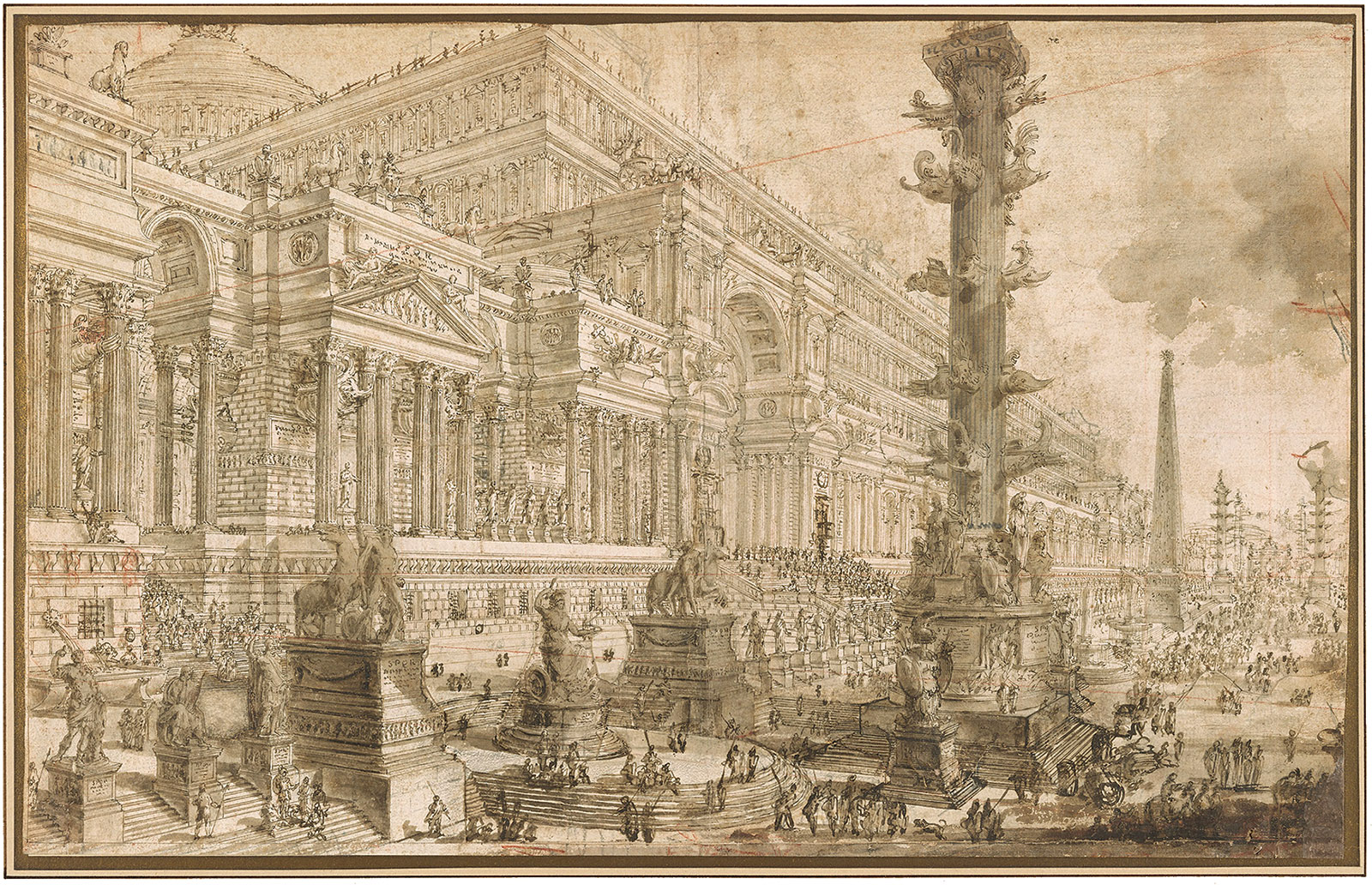
Giovanni Battista Piranesi: Architectural Fantasy with a Colossal Façade, circa 1743–1745; Morgan Library and Museum, New York
For generations, Giovanni Battista Piranesi’s prints of Roman views defined the popular image of the Eternal City. A profusion of new exhibitions and publications shows why he still speaks to us.
Also in the issue: Jacqueline Rose on C. P. Taylor’s final play, Colin B. Bailey on the Impressionists’ decorations, Wendy Doniger on Bengali tales from the mangrove forests, Christopher Benfey on the Black American potters of the nineteenth century, Jed Perl on high-tech high art, poems by Sasha Debevec-McKenney, Mosab Abu Toha, and Cyrus Console, and much more.
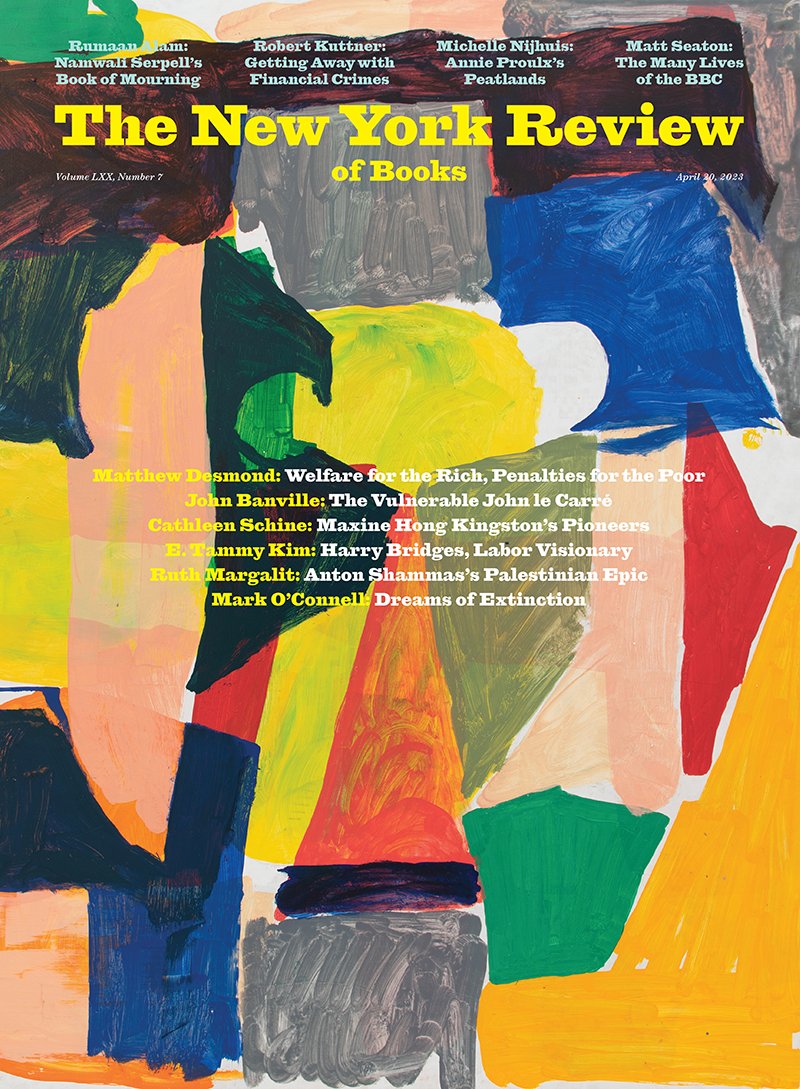
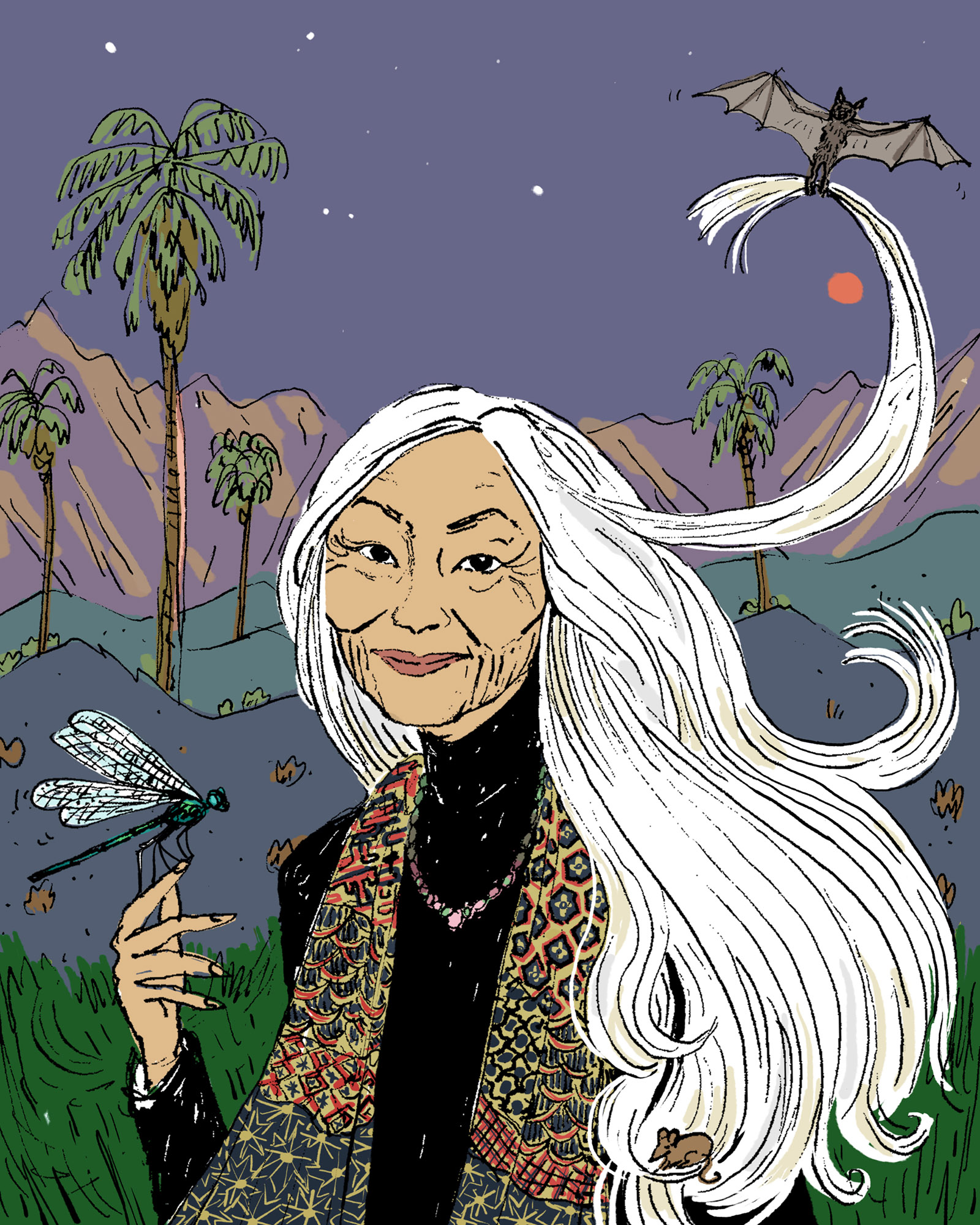
The New York Review of Books – April 20, 2023 issue:The London Book Fair Issue—is online now, with Cathleen Schine on Maxine Hong Kingston’s talking-stories, Jameel Jaffer on the “ethical train wreck” at the Office of Legal Counsel, Rumaan Alam on Namwali Serpell, Geoffrey O’Brien remembers Joe Brainard, Michelle Nijhuis on swamps and bogs, E. Tammy Kim on the legend of Harry Bridges, John Banville on John le Carré, Mark O’Connell on the world without us, Manisha Sinha on antebellum Black citizens, Matthew Desmond on handouts for the rich, poems by Homer and Isabel Galleymore, and much more.
Two recent books show that the concept of ecological restoration is a fuzzy one: even practitioners rarely agree on what is being restored, or to what end.
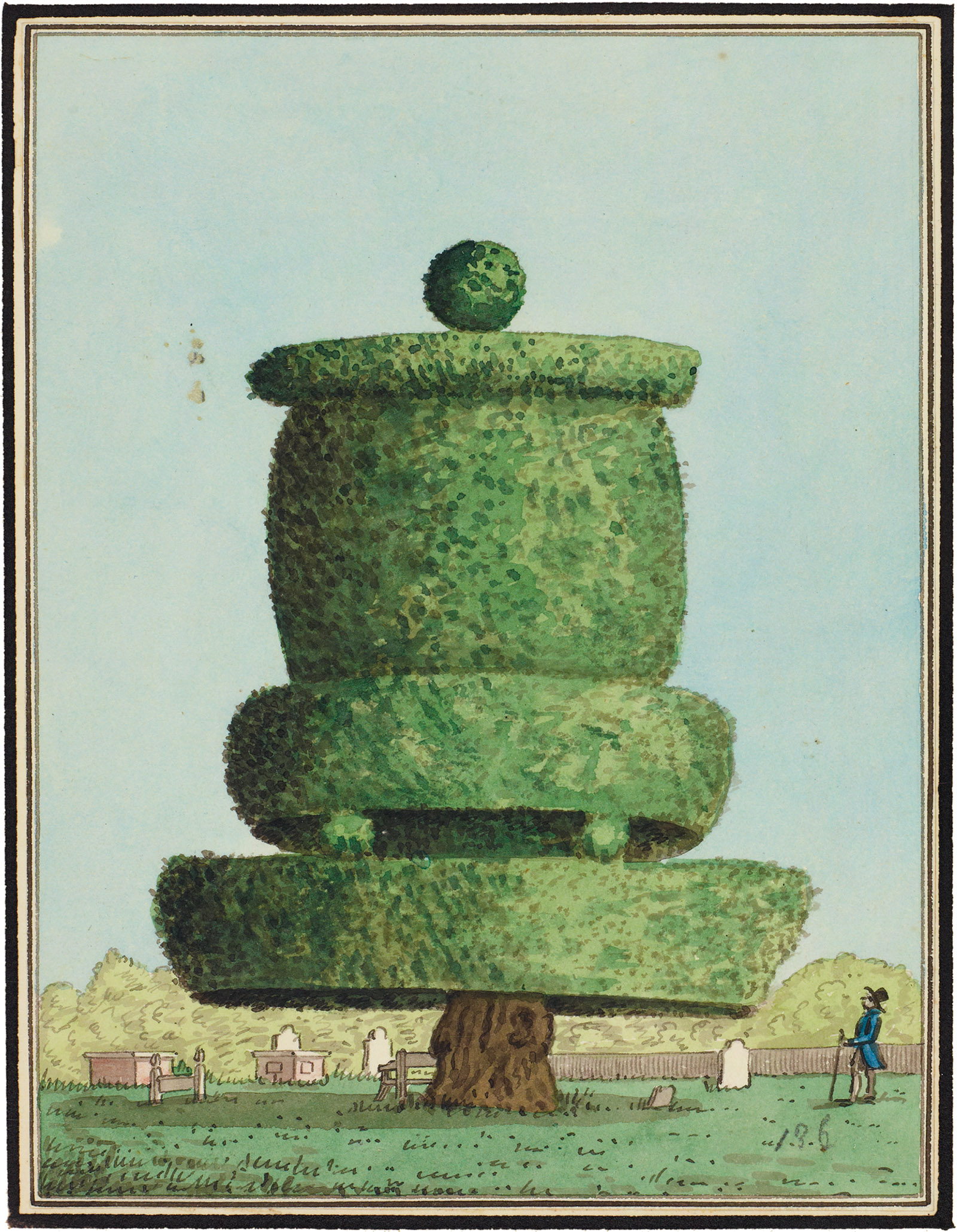
English Garden Eccentrics: Three Hundred Years of Extraordinary Groves, Burrowings, Mountains and Menageries
By Todd Longstaffe-Gowan
In the English garden, eccentricity and variety went hand in hand.
What counts as eccentric in the garden, and what counts as a folly? As a child I used to be taken on Sunday walks to the Needle’s Eye in Wentworth, South Yorkshire, a kind of sharp pyramid of stone some forty-five feet tall and pierced by an arched passage.
by Franz Kafka, translated from the German by Ross Benjamin
Kafka’s diaries—made up of false starts, stray thoughts, self-doubts, internal dialogues, dreams, doodles, aphorisms, drafts of stories, character sketches, and scenes from family life—are often very funny.
When asked why HBO took such bold risks on shows that were darker, more libidinal, and more surreal than than those on other networks, a company executive replied, “Because we can.”
It’s Not TV: The Spectacular Rise, Revolution, and Future of HBO by Felix Gillette and John Koblin
Tinderbox: HBO’s Ruthless Pursuit of New Frontiers by James Andrew Miller
Two new books on Berlin track the city through decades of growth, economic desperation, artistic innovation, Nazi terror, political division, and reunification.
Berlin: Life and Death in the City at the Center of the World by Sinclair McKay
The Undercurrents: A Story of Berlin by Kirsty Bell
Jared Kushner’s anti-ideological ideology is to get the best deal for whomever he represents—the business he was born into, the business he married into, and, most of all, himself.
Breaking History: A White House Memoir by Jared Kushner
The October 6 issue is online now, with Bill McKibben on the climate refugee crisis, Hermione Lee on Joseph Roth’s violently mixed feelings, Linda Greenhouse on Justice Breyer’s most powerful dissent, Jerome Groopman on diabetes, Leslie T. Chang on narrative nonfiction in China, Ange Mlinko on H.D., David S. Reynolds on séances in the Lincoln White House, Verlyn Klinkenborg on the Beach Boys’ moment in the sun, Erin Maglaque on the pope’s astronomer, Mark Danner on the long, slow Trump coup, a poem by Vona Groarke, and much more.
Three books on the movement, of both humans and wildlife, spurred by climate change illustrate the magnitude of the challenge before us.
Nowhere Left to Go: How Climate Change Is Driving Species to the Ends of the Earth – by Benjamin von Brackel, translated from the German by Ayça Türkoğlu
Nomad Century: How Climate Migration Will Reshape Our World – by Gaia Vince
Border and Rule: Global Migration, Capitalism, and the Rise of Racist Nationalism – by Harsha Walia
Joseph Roth was unwavering in his passion for the vanished Austro-Hungarian Empire, which inspired his greatest novel, his hatred of nationalism, and his prophetic and courageous loathing for the Nazis. About everything else, as a new biography shows, he had violently mixed feelings.
Endless Flight: The Life of Joseph Roth – by Keiron Pim
News, Views and Reviews For The Intellectually Curious








 Boomers Daily