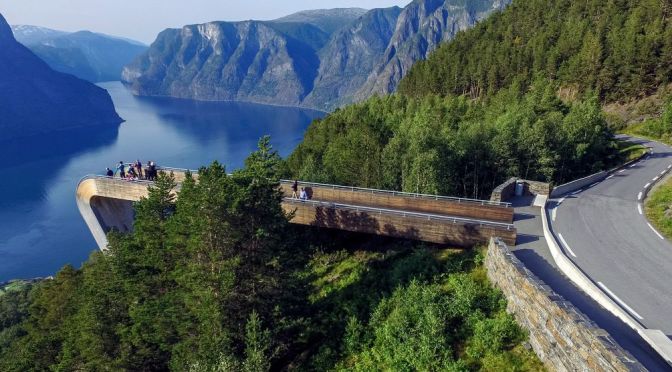
Norwegian Scenic Routes are 18 selected roads that run through landscapes with unique natural qualities, along coasts and fjords, mountains and waterfalls. The routes are intended as alternatives to the main roads, and the drive itself should be an enjoyable experience.
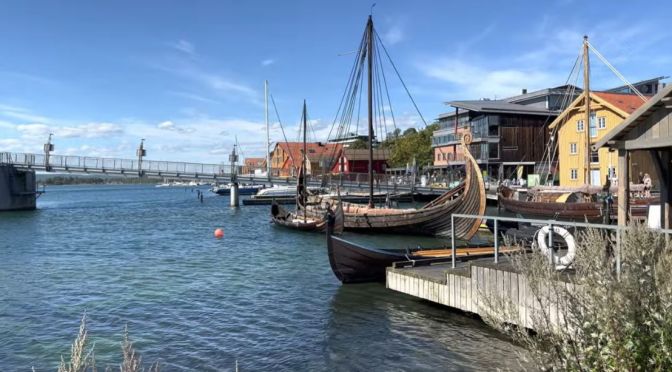
Tønsberg, town, southeastern Norway, at the head of Tønsbergfjorden. Considered to be the oldest town in Norway, Tønsberg was founded c. AD 871 and became an important trading centre. In the 13th century King Håkon Håkonsson built his castle, Tønsberghus, there.
The town was destroyed by fire in 1536 and only in the 18th and 19th centuries did it become a major port and one of Norway’s major shipping and whaling centres. Until the late 1960s it was Norway’s third largest maritime town. Tønsberg remains an industrial and shipping centre, with such diverse concerns as metal shops, shipyards, paper mills, leather processing, and breweries; it is noted especially for its silverware.
Tourist sites include ruins of the Tønsberghus, St. Michael’s Church (c. 1150), the ruins of the Royal Castle (1276), Sem Church (c. 1100), and the Vestfold Museum.
Norway is a Scandinavian country encompassing mountains, glaciers and deep coastal fjords. Oslo, the capital, is a city of green spaces and museums. Preserved 9th-century Viking ships are displayed at Oslo’s Viking Ship Museum. Bergen, with colorful wooden houses, is the starting point for cruises to the dramatic Sognefjord. Norway is also known for fishing, hiking and skiing, notably at Lillehammer’s Olympic resort.
When planning a vacation to Europe, some of the first destinations that come to mind will be the teeming cities of Paris, London or Rome. Each of these metropolises is incredible, but they are far from all that Europe has to offer.
By exploring some of the smaller towns across the continent, it is possible to see a more authentic, traditional side to Europe. If you’re planning an upcoming getaway to the continent, here are just a few of the most beautiful small towns in Europe.
Norways most scenic roads from Tromsø to Kristiansand.
Tromsø, town, northern Norway. It is located on two islands, Troms (Tromsøy) and Kval (Kvaløy), just west of the mainland. Because Tromsø is located well north of the Arctic Circle, the sun is visible continuously from late May to late July.
Kristiansand, town and seaport, southern Norway. Located on the Skagerrak (strait between Norway and Denmark) at the mouth of the Otra River, it has a spacious, ice-free harbour, protected by offshore islands, and is the largest community of Sørlandet region.
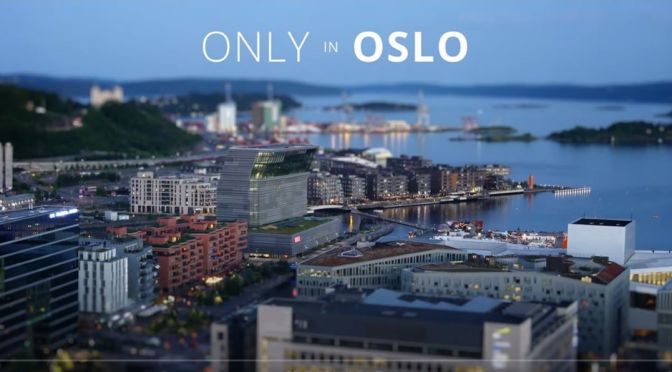
A tilt-shift timelapse ride through the city via the Akershus Fortress, Opera House, Dome, Port, Tjuvholmen, Vigelandsparken, Ekebergparken, the ski jump in Holmenkollen and the peninsula Bygdøy in 4 amazing minutes.
Oslo, the capital of Norway, sits on the country’s southern coast at the head of the Oslofjord. It’s known for its green spaces and museums. Many of these are on the Bygdøy Peninsula, including the waterside Norwegian Maritime Museum and the Viking Ship Museum, with Viking ships from the 9th century. The Holmenkollbakken is a ski-jumping hill with panoramic views of the fjord. It also has a ski museum.
A 3 day backpacking trip to climb Hermannsdalstinden Pinnacle, the highest mountain in the southern part of Lofoten.
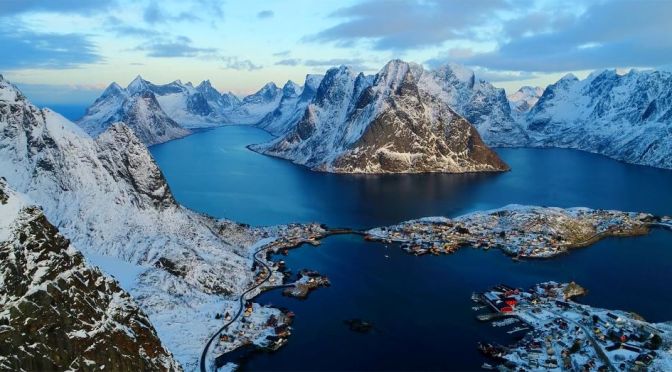
Lofoten, island group, in the Norwegian Sea, northern Norway. Lying off the mainland entirely within the Arctic Circle, the group comprises the southern end of the Lofoten-Vesterålen archipelago and includes five main islands (Austvågøya, Gimsøya, Vestvågøya, Flakstadøya, and Moskenesøya) extending about 70 miles (110 km) from north to south. In addition, there are many small islands and skerries (rocky islets and reefs). The total length of the archipelago is about 110 miles (175 km).
A broad and deep fjord, the Vesterålsfjorden, lies between Lofoten and the mainland. The islands, composed of volcanic rocks (gneiss and granite), are the highly eroded tops of a partially submerged mountain range. The highest peak is Higravtinden (3,760 feet [1,146 metres]) on Austvågøya. North of the Arctic Circle, the islands are washed by the warm North Atlantic Current, which tempers their climate.
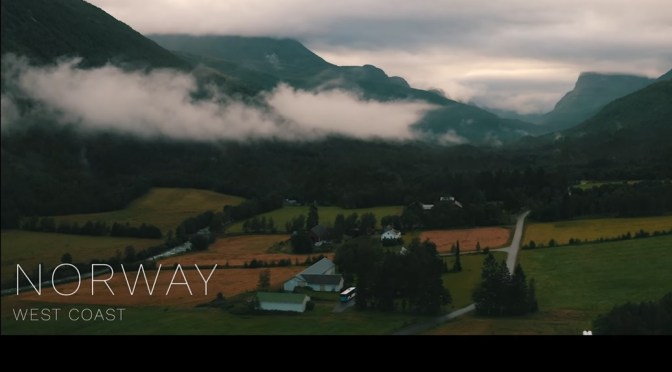
Western Norway is the region along the Atlantic coast of southern Norway. It consists of the counties Rogaland, Vestland, and Møre og Romsdal. The region has no official or political-administrative function. The region has a population of approximately 1.4 million people.
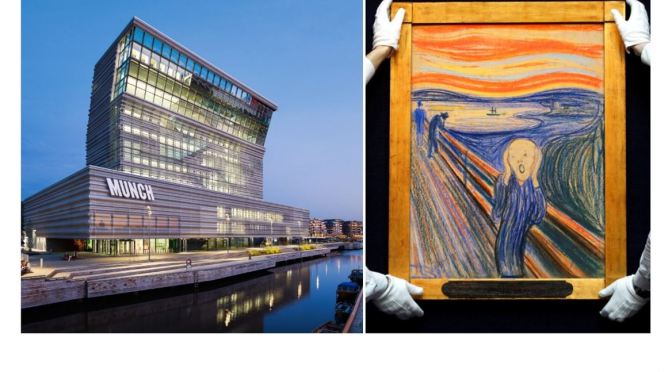
There’s so much to discover in Oslo: beaches, bars and clubs, restaurants and culture in abundance. But how to choose? Here are three unmissable attractions in the Norwegian capital.
Oslo, the capital of Norway, sits on the country’s southern coast at the head of the Oslofjord. It’s known for its green spaces and museums. Many of these are on the Bygdøy Peninsula, including the waterside Norwegian Maritime Museum and the Viking Ship Museum, with Viking ships from the 9th century. The Holmenkollbakken is a ski-jumping hill with panoramic views of the fjord. It also has a ski museum.
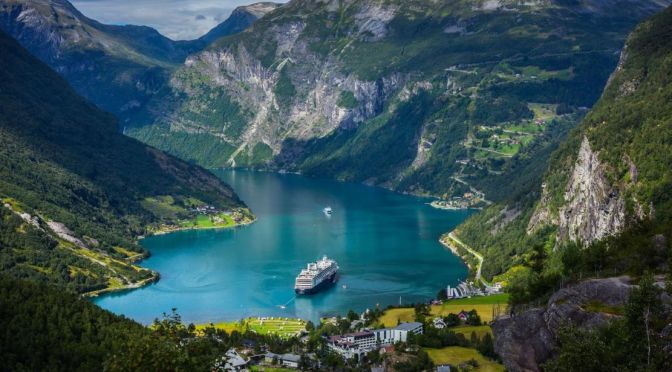
Geiranger is a village in western Norway, at the head of Geirangerfjord. The Norwegian Fjord Center has multimedia on the history of the region and its inhabitants.
Video timeline: 00:00 Opening 00:28 Best view of the geiranger Fjord 01:04 Waterfalls and Mountain all around the Village 02:48 The Seven Sisters Waterfall 04:51 Farm Villages 06:16 Aerial View of Geiranger
Part of the steep Trollstigen mountain road weaves through the village, connecting to Flydalsjuvet lookout, which has views over the fjord. The fjord’s waterfalls, including the Seven Sisters, the Suitor and the Bridal Veil, are visible by boat.
News, Views and Reviews For The Intellectually Curious




 Boomers Daily