From a The Lancet online article:
 As a consultant, I had profoundly failed to appreciate the experience of fatigue and apathy among patients. More than excessive tiredness, the fatigue was overwhelming, turning simple activities into insurmountable, exhausting challenges. It was frustrating and I fell into the trap of overexertion when I did have energy, thus exhausting myself and sabotaging the day’s recovery plan. Had staff not been so adept at encouraging me when I lacked energy and holding me back when I tried to overdo things, I would have squandered much valuable rehabilitation time.
I was a consultant in neurological rehabilitation for acquired brain injury when, at the age of 62 years, I had a stroke. Running for a train, I experienced pain in the right side of my head and mild weakness and sensory loss in my left limbs. I thought I’d had a stroke, but I was remarkably calm. It was late and my instinct was to get home, where I went to the study. In the morning, I found myself on the floor, half-blind, half-paralysed, and terrified.
.
Scans showed a large intracerebral haemorrhage in the area of the right basal ganglia. My symptoms could be explained by the damage to my brain—my medical world was in order, something to hold on to. I discussed my diagnosis and treatment with my colleagues during brief waking periods, grateful that they still saw the person I was before my stroke. Meanwhile, my wife was in the good hands of staff who treated her with sensitivity, giving her plain facts and support.

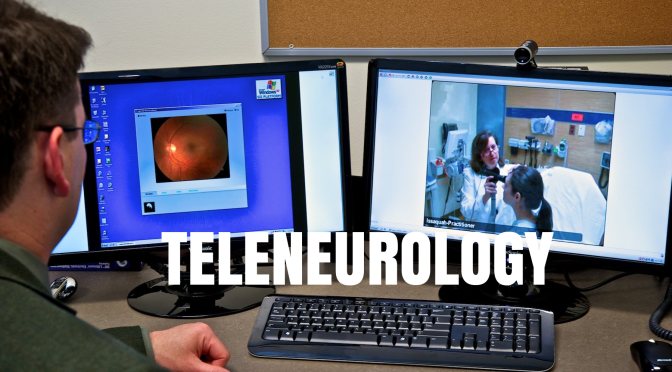
 Telemedicine extends care accessibility to people with epilepsy, who may be unable to drive to appointments, as well as people with mobility issues stemming from neurologic disorders such as multiple sclerosis. Virtual care also helps address geographic barriers by allowing patients in rural areas to see a neurologist through telemedicine technology instead of having to travel hours for in-person care, said lead author Jaime Hatcher-Martin, MD, PhD, a member of AAN, according to the news release.
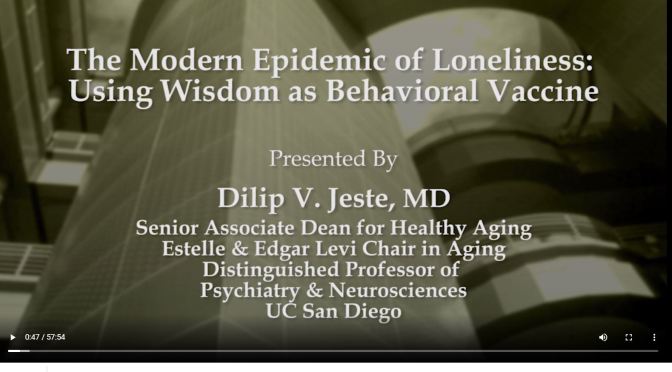
 As societal stresses have increased, loneliness and social isolation have become silent killers. Dilip Jeste, MD, a geriatric neuropsychiatrist who specializes in successful aging, explains how loneliness has become an epidemic, the risk factors, helpful interventions, and how we can harness wisdom for compassion, self regulation, and more.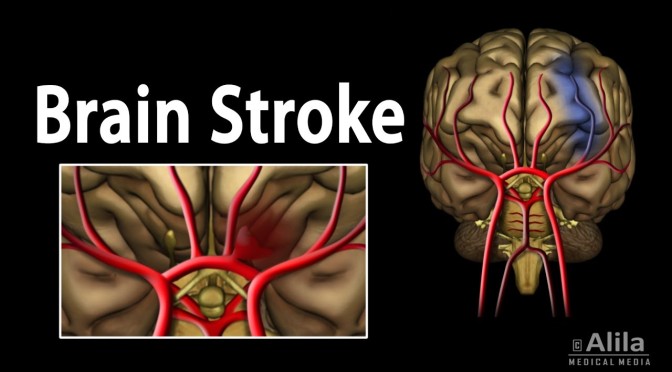
 Boomers Daily