
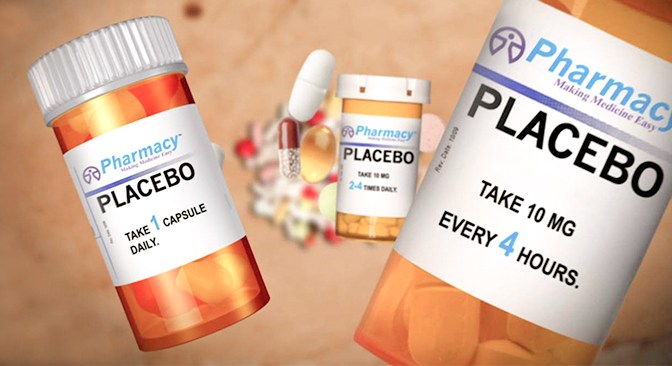
From a Wall Street Journal online article:
Researchers in Germany published a study in the journal Pain in December showing that open-label placebos can help relieve chronic lower-back pain, 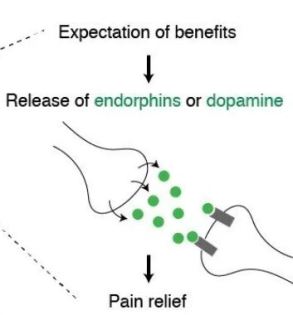 replicating a 2016 study. A similar study by University of Colorado, Boulder researchers found that placebo saline injections reduce chronic lower-back pain.
Two other recent studies showed placebos openly given to cancer patients helped relieve cancer-related fatigue. And a forthcoming study by German researchers found openly giving placebo to elderly patients helped improve knee pain.
More researchers are looking at the idea of placebos—substances that have no actual pharmaceutical effect—as an alternative to traditional pain medications, which can be ineffective and carry significant side effects. Placebos might have particular potential for difficult-to-treat conditions like chronic back pain, cancer-related fatigue and symptoms of irritable bowel syndrome, researchers hope.
As many as 30% to 50% of chronic pain patients will respond to placebos, research suggests. And new studies are helping to identify genetic and brain differences that make certain people more likely to respond.
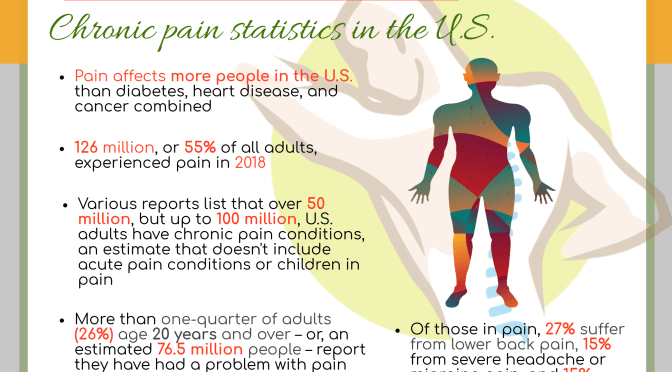


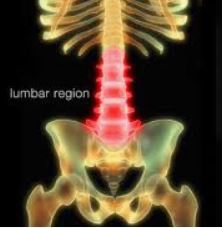 Sleep problems may decrease the likelihood of recovery from chronic low
 In people having lack of Vitamin D, the muscle strength of waist, back, neck decreases. Decreased muscle strength can cause herniated disc and cervical discal hernia. All of this is reflected in the patient’s pain. We wanted to pay attention to the necessity of considering the lack of Vitamin D in low back pain (LBP) which is one of the common complaints of our patients.
 Boomers Daily