
Tag Archives: Lost Cities

Africa Travel: The ‘Ksars’ Of Djado, Northern Niger

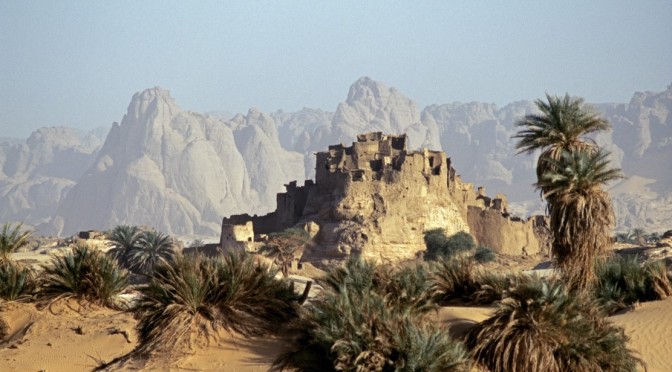
FRANCE 24 (June 5, 2023) – A long trek across the desert of northeastern Niger brings visitors to one of the most astonishing and rewarding sights in the Sahel: fortified villages of salt and clay built on rocks, besieged by the Sahara sands.

Generations of travelers have stood before the “ksars” of Djado,  wandering their crenellated walls, watchtowers, secretive passages and wells, all of them testifying to a skilled but unknown hand.

The now ruined city Djado is located on the southern end of the Djado Pleateau in the Sahara in northern Niger. It is not clear who built the complex of fortified mud buildings (ksars). The city was a part Trans-Saharan trading network of the Kanuri people whose Kanem-Bornu Empire was founded before 1000 CE and at its greater extent covered what is now Cameroon, Chad, Nigeria, southern Lybia and Eastern Niger.

It is not clear what caused the abandonment of the city after the 1860s: increased desertification, conflict or even a mosquito infestation have been proposed as possible causes. Since then it has been used by Toubou nomads for the cultivation of dates. The site also contains rock drawings and carvings from 12,000 to 6,000 BCE, depicting the fauna that roved the prehistoric Sahara. The Djado Plateau was added to the UNESCO Tenative List in 2006.

Niger or the Niger, officially the Republic of the Niger, is a landlocked country in West Africa. It is a unitary state bordered by Libya to the northeast, Chad to the east, Nigeria to the south, Benin and Burkina Faso to the southwest, Mali to the west, and Algeria to the northwest.

#Niger #lostcity #Sahara

Columbia Views: A Journey To The Lost City Of Teyuna

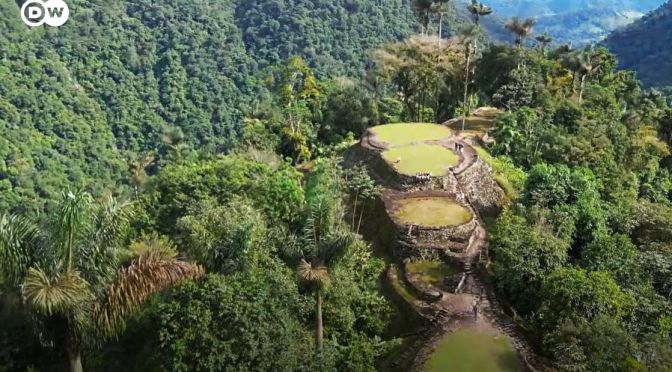
DW Travel – Discover Teyuna! It’s older than Machu Picchu and not quite as famous. Known in Spanish as Ciudad Perdida or the “Lost City,” it is located deep in the jungles of northern Colombia. You need weather-proof clothing and sturdy shoes for the four-day trek to the archeological site.

Our reporter Joel Dullroy is making the adventurous journey to the Lost City. Join him on his trip! Background: The ruins of Teyuna were once settled by the indigenous Tairona people. Their descendants still live today in the Wika and Kogi tribes in the mountains of the Sierra Nevada de Santa Marta.

Archaeology: The Lost City Of Chan Chan In Peru

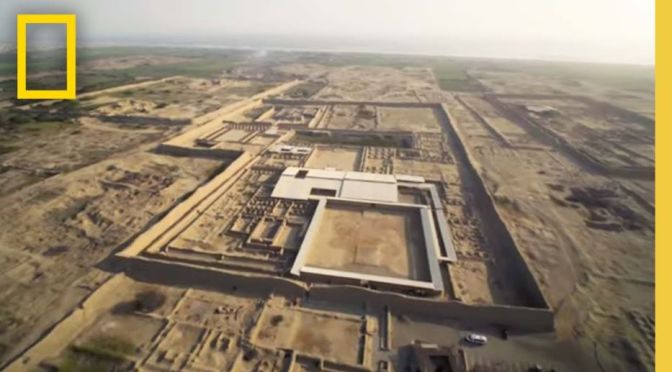
Dr. Albert Lin is investigating the true origin of the ancient story of the great flood. In his search for answers he comes to the lost city of Chan Chan where the Chimú people have recorded a violent shift in the ocean currents.

Chan Chan was the largest city of the pre-Columbian era in South America.[1] It is now an archaeological site in La Libertad Region 5 kilometres (3.1 mi) west of Trujillo, Peru.[2]

Chan Chan is located in the mouth of the Moche Valley[3] and was the capital of the historical empire of the Chimor from 900 to 1470,[4] when they were defeated and incorporated into the Inca Empire.[5] Chimor, a conquest state,[3] developed from the Chimú culture which established itself along the Peruvian coast around 900 AD.[6]

Chan Chan is in a particularly arid section of the coastal desert of northern Peru.[7] Due to the lack of rain in this area, the major source of nonsalted water for Chan Chan is in the form of rivers carrying surface runoff from the Andes.[4] This runoff allows for control of land and water through irrigation systems.