Naturally, I too will be staying at the Bayerischer Hof. —Franz Kafka
The Hotel Bayerischer Hof in Munich is an indestructible fortress of Mitteleuropean culture where tour guides like to pause. Richard Wagner repaired to the Hof for tea after his opera performances in Munich; Sigmund Freud fell out with Carl Jung in the Hof over the status of the libido; Kafka stayed at the Hof when he gave his second, and final, public reading to a hostile audience. A decade later, Hitler learned to crack crabs at the Hof under the supervision of a society hostess, and Joseph Goebbels counted on its rooms for a good night’s rest. The Hof weathered the revolutions of 1848; it withstood the revolution of 1918–19, in which the socialist leader Kurt Eisner was assassinated in front of the hotel and Bavaria briefly became a workers’-council republic; it rebuffed the Nazis’ attempts to buy it in the Thirties; and, after it was nearly destroyed by an Allied bombing raid in 1944, it was reconstructed with beaverlike industry. Today its wide façade of three hundred and thirty-seven rooms imposes itself over the small Promenadeplatz like a slice of meringue cake too large for its plate. Every February, hundreds of diplomats, politicians, academics, and arms dealers convene here for the Munich Security Conference.
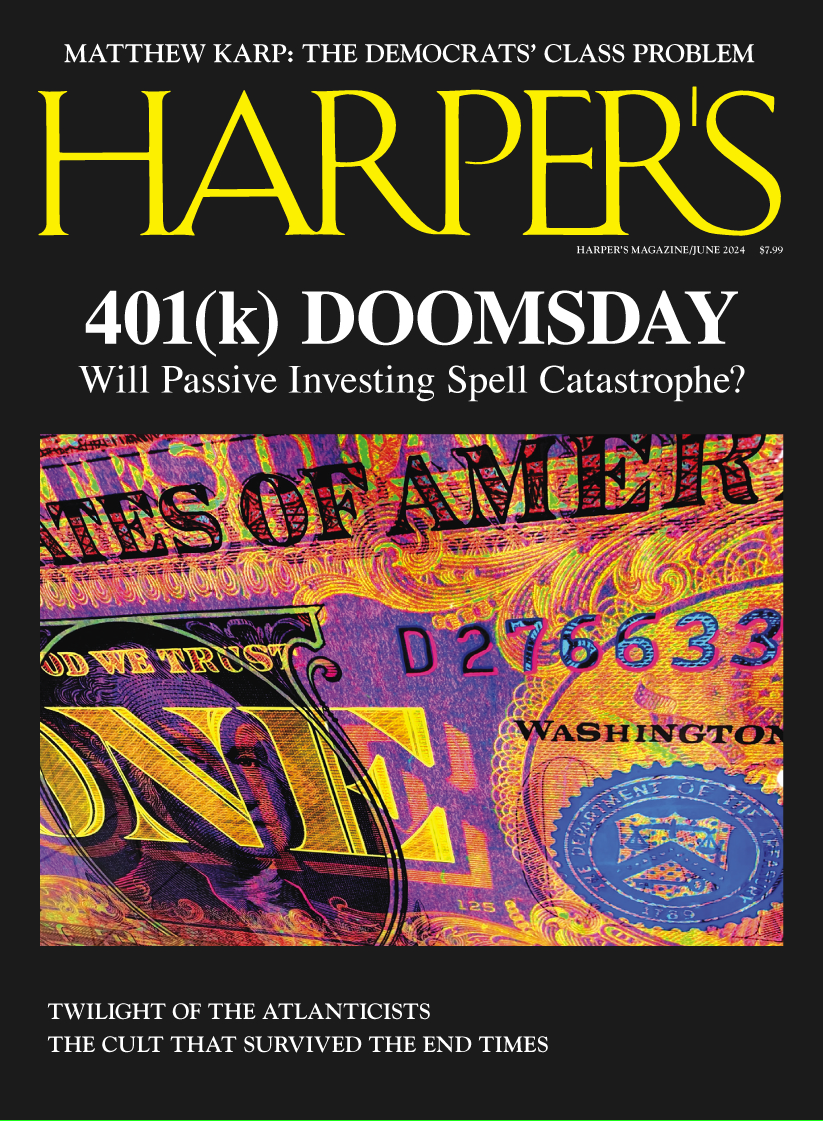
Money—where it comes from, where it goes—was on my mind as I drove from Brooklyn to Philadelphia last fall, a Friday the thirteenth. I spent most of the trip on a Zoom call with my wife and our doula, discussing what combination of night nurses, babysitters, and nannies we’d need come the birth of our twins, our second and third sons. Nary a dollar figure was uttered, seemingly out of respect, just as those attending a funeral avoid naming the actual cause of death.
Financial advisors who bring qualified children on board can set up their practices for long-term success and stability. Here’s what it means for clients.
Don’t put all your cards in the Magnificent Seven. These stock funds offer investors true diversification—and that will pay off in more growth opportunities and better protection.
The London-based mining company produces copper ore, diamonds, and platinum, but its shares are treated more like lead. It offers shareholders two ways to win.
The once-highflying payments company now trades at a valuation more suitable for a midsize bank. The good news: The path to a comeback is simpler than the Street expects.
Our annual ranking of the country’s Top 1,200 Financial Advisors finds a broader embrace of digital tools among advisors and clients alike. The result: more flexibility, potentially lower fees, and greater access to specialists.
Our annual ranking, now in its 16th year, finds an industry that has changed with the times. Here’s what investors need to know about the selection process.





































 Boomers Daily