Tag Archives: International News

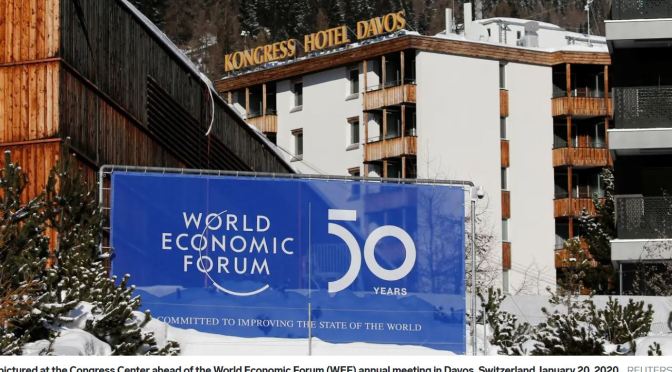
International Affairs: “Does The World Need Davos?” (The Economist)

AT THE WORLD EC ONOMIC FORUM, which celebrates its 50th anniversary, The Economist’s editor-in-chief Zanny Minton Beddoes, Anne McElvoy and Patrick Foulis debate the future of the annual alpine gathering.

How did a young academic’s pet project come to be seen as the ultimate A-list bash for global CEOs, political leaders and celebrities alike? Anne McElvoy speaks to the CEO of Youtube, Susan Wojcicki, actress and activist Priyanka Chopra Jonas and Natalia Vodianova, a supermodel and philanthropist, about what they achieve at Davos and the mission behind the glamour. Is it a forum for effective decision-making—or just a week in the snow for the global elite? And finally, snow boots or stilettos?

Runtime: 32 min

Website

Travel: How The Dutch Windmills Are Causing The Netherlands To Sink

From an Undark.org online article:

This subsidence means that in a low-lying nation famous for engineering its way around rising seas, the ground is also sinking lower, creating huge problems for the structures built on top. At a certain point, building foundations begin to crack, sinkholes appear, roads destabilize, and the risk of flooding increases. More construction results in more pressing down of the peat — and more subsidence.

TOURISTS VISITING the Netherlands often stop to take selfies in front of one of the country’s more than 1,000 windmills. Afterward, they might taste one of the many varieties of cheese for which the nation is famous. But most are unaware that these two icons of the Netherlands are responsible for causing the nation’s land to sink.

The windmills were used for centuries to drain peatland for cattle grazing and agriculture at large, and that draining — these days done by pumping stations — is causing the land in some places to sink at an average rate of 8 millimeters per year, or about one-third of an inch. (In some areas, researchers put that number higher, at several centimeters per year.)

Read full article

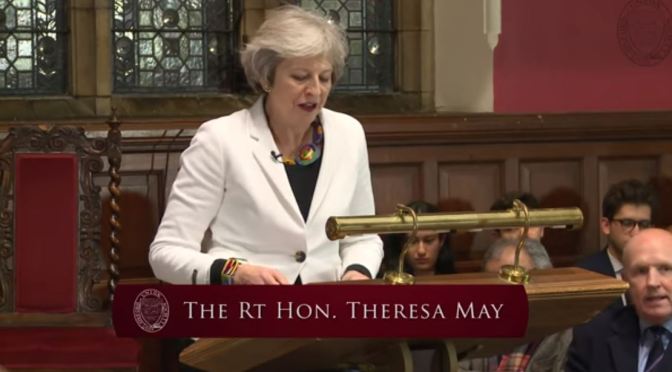
International Lectures: Former British Prime Minister Theresa May (Oxford Union Video)

https://www.youtube.com/watch?v=UBfgB3ahqBo

May served as Prime Minister of the United Kingdom from 2016 to 2019. Assuming office following the 2016 Brexit referendum, she was tasked with one of the most intractable challenges of any post-war Prime Minister, and successfully negotiated a withdrawal deal with the EU in late 2018. Beyond Brexit, May reversed course on the Conservative government’s controversial programme of austerity, delivering the largest single cash-boost to the NHS in its history, and championed human rights and social justice initiatives, such as ending modern slavery.

The Benazir Bhutto Memorial Lecture was established to honour the life and legacy of Benazir Bhutto, the first female leader of a majority-Muslim country, and a former President of the Oxford Union.

ABOUT THE OXFORD UNION SOCIETY: The Oxford Union is the world’s most prestigious debating society, with an unparalleled reputation for bringing international guests and speakers to Oxford. Since 1823, the Union has been promoting debate and discussion not just in Oxford University, but across the globe.

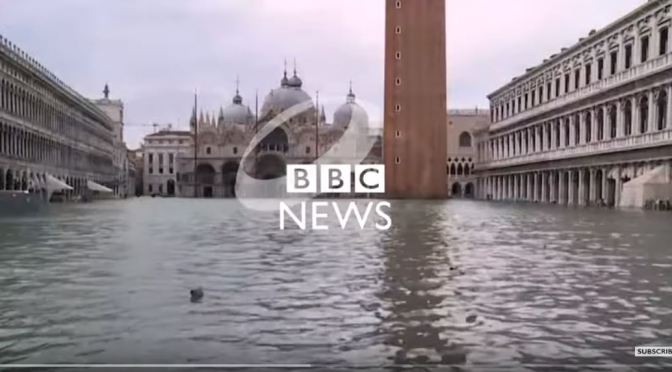
Travel: “The Fight To Stop Venice From Flooding” (BBC News Video)

t’s a month since high tides struck Venice, causing devastating flooding. The city’s mayor estimated damage at over a billion euros.

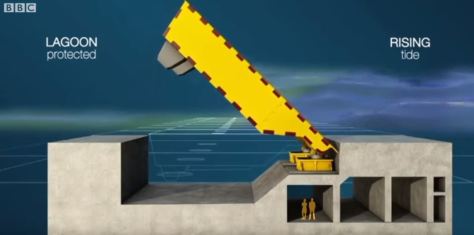
A system of floodgates called MOSE, under construction for years, should have prevented the disaster. But it’s been delayed and mired in corruption.

The fight to stop Venice from flooding BBC News Video Dec 18 2019

So is MOSE the lifeline Venice needs – or is it doomed to failure?

World Affairs Podcasts: “Is NATO Eperiencing ‘Brain Death’?” (The Economist)

Economist RadioThe secretary general of the North Atlantic Treaty Organisation, Jens Stoltenberg, reacts to Emmanuel Macron’s stark warnings about the future of the alliance. Daniel Franklin, The Economist’s diplomatic editor, asks Mr Stoltenberg how NATO’s members can overcome their differences—should Europe have its own defence force and is Turkey at risk of drifting away from the alliance? Also, how should Article 5 be enforced in space?

World Affairs Podcasts: “The Heavy Hand” Of China, Disruption At McKinsey, Swiss Hoarding Coffee

The Economist Editor's Picks PodcastA SELECTION of three essential articles read aloud from the latest issue of The Economist. This week, Hong Kong is not the only part of China’s periphery to resent the heavy hand of the Communist party. [9:20] What happens when McKinsey, the high priesthood of management consultancy, is itself disrupted? [16:51] And, if disaster strikes, the Swiss want to be caffeinated. Runtime: 20 min
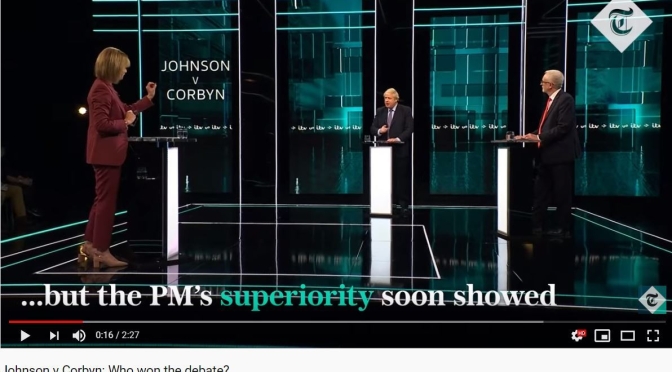
International News: Boris Johnson And Jeremy Corbin In “Testy” Debate Over Brexit (Video)

From a Reuters online article:

Polls looking to gauge how the public intends to vote put Johnson’s Conservatives as much as 18 percentage points ahead of Labour, but the numbers can vary widely.

To try to land a decisive blow in an election campaign which few voters relish, both leaders went on the attack, with Johnson trying to portray his rival as indecisive, while Corbyn questioned whether the prime minister could be trusted.

MANCHESTER, England (Reuters) – Prime Minister Boris Johnson doubled down on his Brexit promises on Tuesday, saying only he could take Britain out of the European Union quickly in a testy leadership debate with opposition Labour’s Jeremy Corbyn.

After the hour-long debate, polls showed the public were split over who was the victor: 51% said it was Johnson while 49% backed Corbyn – a result that analysts said reflected better on the Labour leader, who is trailing in opinion polls.

To read more: https://www.reuters.com/article/us-britain-election-debate/in-testy-leadership-debate-uk-pm-johnson-promises-to-deliver-brexit-idUSKBN1XT2O0