Tag Archives: Homes

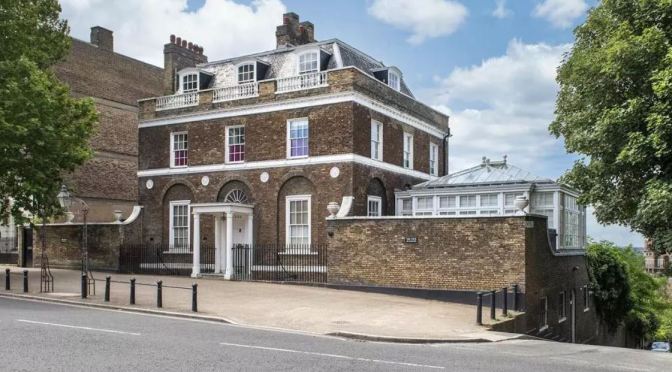
Georgian Views: The Wick, Richmond Hill, London

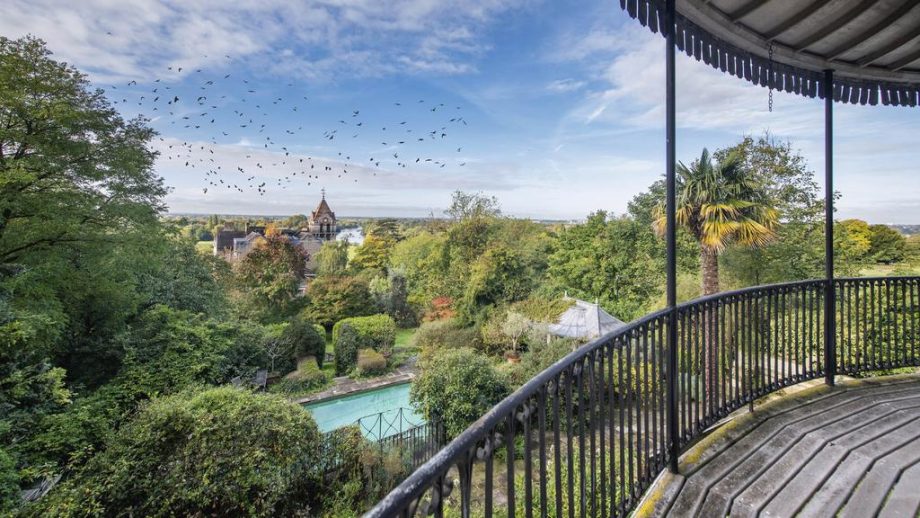
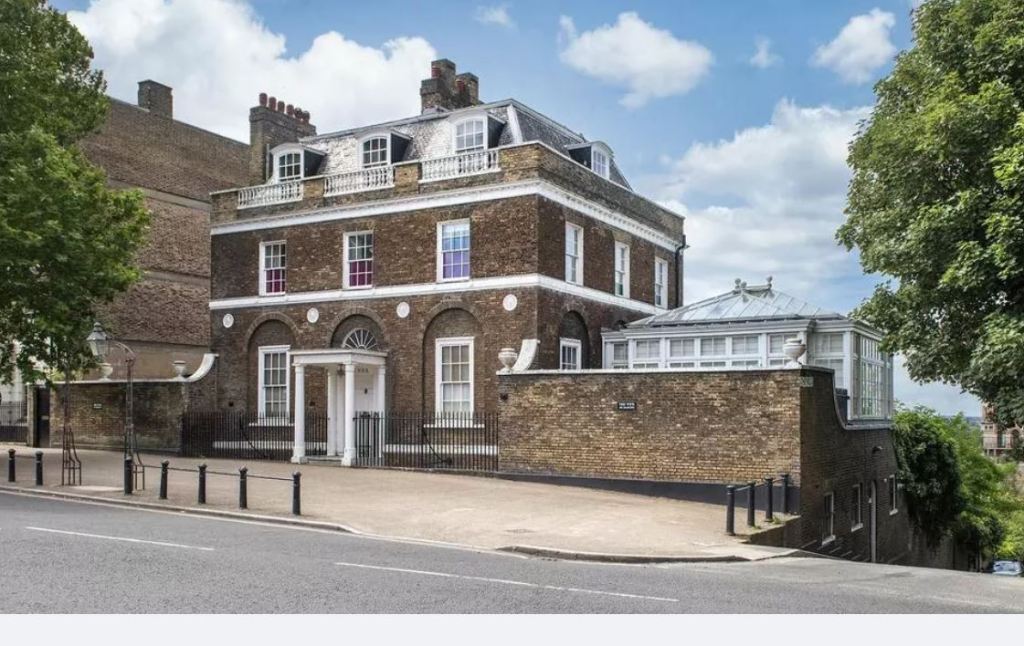
On the gentle slope of Richmond Hill, Grade I-listed The Wick is a secret Georgian paradise that feels like a country house, albeit hopping distance from the heart of the capital, enjoying as it does the only view protected by an Act of Parliament. 
Annunciata Elwes, July 21, 2021

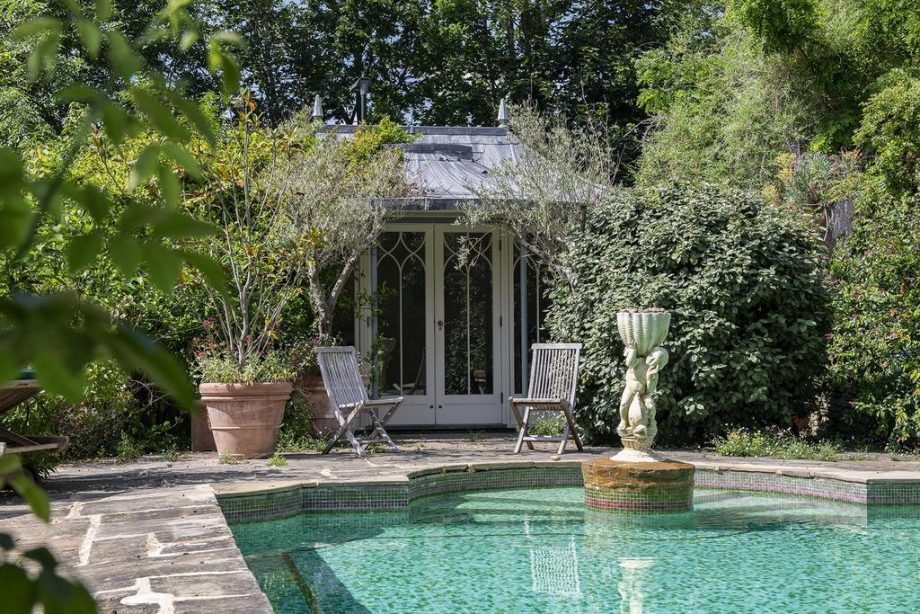
Lush terraced gardens meander down to an idyllic swimming pool and pool house, with the Thames elegantly curving in the distance.

Location: Richmond, or the London Borough of Richmond Upon Thames, is an affluent district that boarders the River Thames. It is approximately 10 miles from central London. It has both national and city rail links, with Richmond rail station and Richmond Underground station that offers District and Overground services.

Atmosphere: Richmond has a community feel, much similar to that of a village, rather than a borough on the outskirts of London. It benefits from a number of independent cafes, shops, restaurants, bars and pubs — many of which take advantage of the river-side setting.
Read and see more

Italian Villas: Camogli, Near Portofino, Liguria

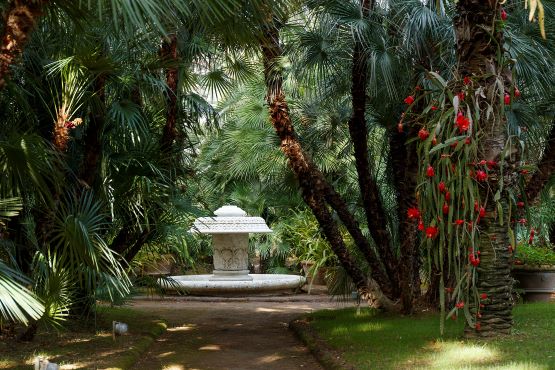
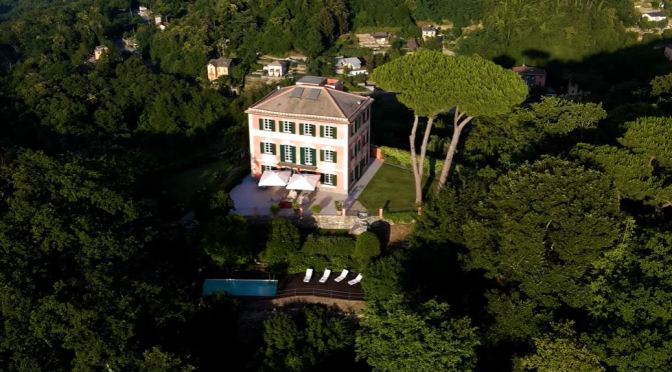
In Camogli, an exclusive Ligurian town located just a few kilometers from the renowned Portofino, there is this majestic property in a fantastic position with a stunning view of the sea for sale. Located in one of the most enchanting areas of the Gulf of Tigullio, with panoramic views of Liguria’s crystal-blue sea and the mountains, this house is surrounded by a large terraced park that measures 4,000 square meters and features centuries-old trees, fruit trees, a romantic rose garden, and a fantastic, perfectly-equipped panoramic swimming pool offering views of the Riviera.

Camogli is a fishing village and tourist resort located on the west side of the peninsula of Portofino, on the Golfo Paradiso in the Riviera di Levante, in the Metropolitan City of Genoa, Liguria, northern Italy. As of 30 April 2017 its population was of 5,332.

English Country Estates: Aberdyfi, Western Wales

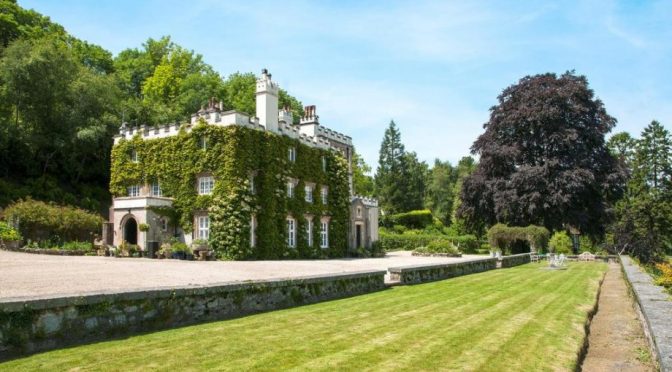
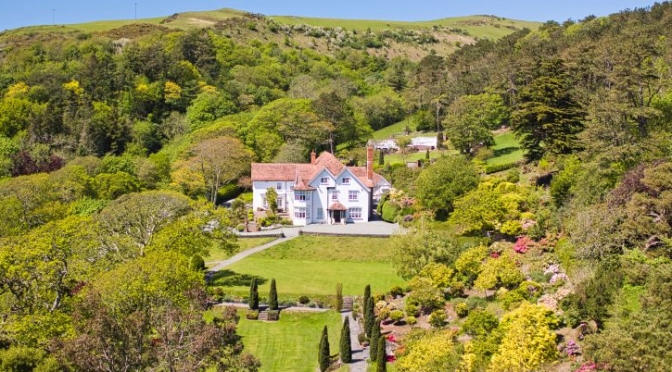
Owned by the vendors for 20 years or more, elegant, Edwardian Plas Penhelig, was built in 1908. It stands in just under 12½ acres of gardens, paddocks and woodland and boasts ‘six different views over the picturesque Dyfi estuary’.

Penny Churchill, July 14, 2021

Thanks to the waters of the Gulf Stream, rare plants and flowers flourish in Plas Penhelig’s sheltered valley, where the hillside is planted with a mass of shrubs, flowers and trees—from peonies and azaleas to camellias, magnolias, lavender, laburnum, lilac trees and a monkey puzzle.

Read and see more at Country Life Magazine

Country Estates: Elton Hall In Peterborough, UK

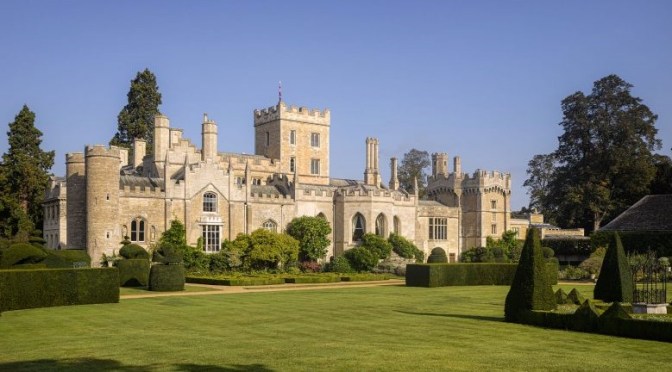
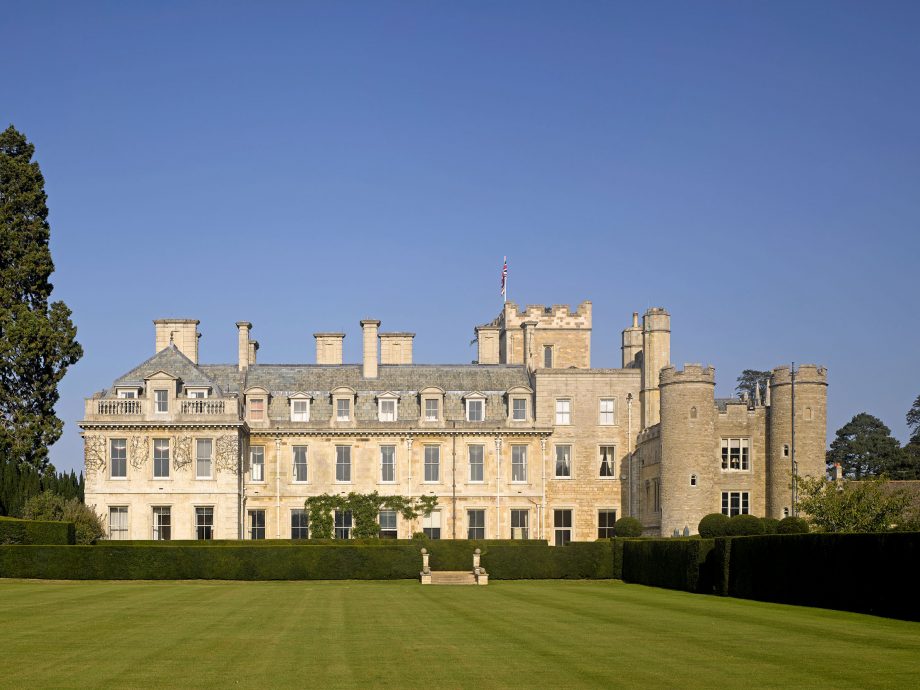
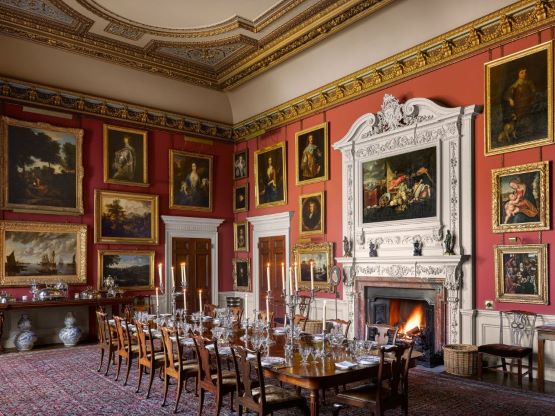
Elton Hall, near Peterborough, is a house of many faces. It is formal and Classical on the approach, yet reveals on inspection a complex architectural history stretching back to the Middle Ages. All this with gardens that extend and frame it with a kind of painterly stillness. Inside, the house has one of the best private art collections in the East of England.

John Goodall June 27, 2021

As it survives today, the house bears the stamp of important changes undertaken from 1857 by Granville Proby, the 3rd Earl of Carysfort, which is remarkable, given that he was 74 when he inherited the estate in 1855. He had grown up on the family’s Glenart estates in Co Wicklow, Ireland, fought at the Battles of the Nile and Trafalgar asa naval officer and later rose to the rank of Admiral. What inspired him to undertake this work is not now clear, but it may have been the poor condition of the building.

The architect he chose was Henry Ashton, a pupil of Smirke who served as an assistant to Sir Jeffry Wyatville from 1828 during the latter’s transformation of Windsor Castle (and who edited Wyatville’s posthumously published Illustrations Of Windsor Castle, 1841). It must have been through Windsor that Ashton caught the eye of the anglophile Willem II (Prince of Orange until 1840), who commissioned him, in 1838, to design a summer palace at the Hague. Nothing came of the project.

Read and see more at Country Life

Tropical Architecture: The Dominican Republic

The house reveals itself slowly. On a remote stretch of the Dominican Republic coast, a stone footpath winds its way through a dense landscape of old-growth trees, zamia, and native flowers. Gradually, a timber structure comes into focus, its undulating form seemingly afloat above the jungle floor.

Only upon stepping past that wood-clad volume, under a 70-foot-wide span and up into the central courtyard, do you see the ocean. 

That progression is all expert choreography on the part of architect Bryan Young, principal of the Brooklyn-based studio Young Projects and nowadays very much a name to know. “Every decision facilitates the experience of the landscape,” he notes of the property, which includes two additional houses of his design. One is a low-slung string of four adjoining stucco bungalows, the other a monolithic enigma—chamfered at the corners and covered in graphic, almost pixelated tile, earning it the name Glitch House. Together this trio of buildings provides the ultimate escape, a place for friends and extended family to come together and decompress, as envisioned by his intrepid clients, Mike and Sukey Novogratz, a New York City couple with wellness on the brain.

Read more

Architecture: ‘Life’s A Beach – Homes, Retreats and Respite by the Sea’

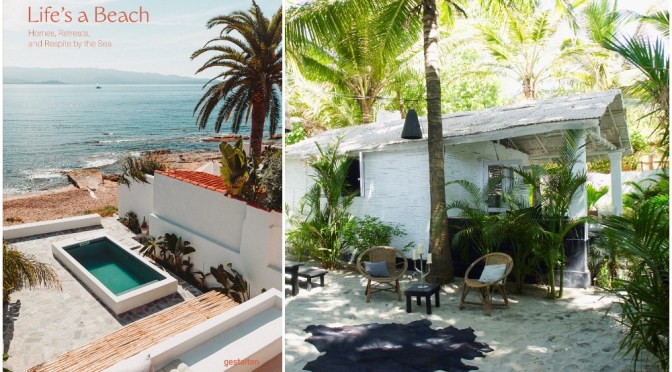
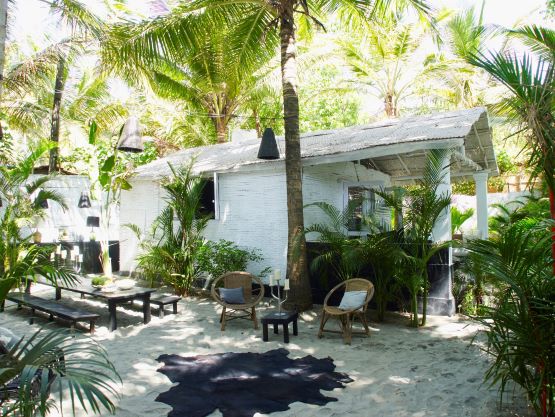
Life’s A Beach takes readers into beach homes around the world – from the hills of New Zealand to beaches of Brazil to the remote islands of the Aegean – exploring the many ways to decorate a cozy home by the sea.

Handmade touches, natural materials and eclectic interiors all imbue a sense of wellbeing, and are found throughout the homes in Life’s a Beach. From humble little beach cottages to extraordinary modern bungalows, these spaces are designed for respite and relaxation, and for enjoying the beachy surrounds.

Read more

English Country Estates: Yarner House – Dartmoor

Yarner House and the adjoining Yarner Wood, a 365-acre block of ancient woodland managed by Natural England as part of the East Dartmoor National Nature Reserve, were both once part of the manor of Bovey Tracey granted by William the Conqueror to Geoffrey de Mowbray, Bishop of Coutances.

Penny Churchill June 22, 2021

On de Mowbray’s death in 1093, his nephew, Robert Mowbray, Earl of Northumberland, inherited, but later defied the king, which led to the seizure of his estates in 1095.

Over time, ownership of the Bovey Tracey estates reverted to the Crown as favourites came and went, until, in the 16th century, a succession of costly wars left Tudor monarchs strapped for cash.

Elizabeth I began to sell off Crown properties and, in 1578, the Yarner estate was bought by Gregory Sprint, a canny lawyer with good Court connections, who swiftly resold it at a profit.

Read more at Country Life Magazine

Architecture: Villa Anguli In Camp de Mar, Mallorca

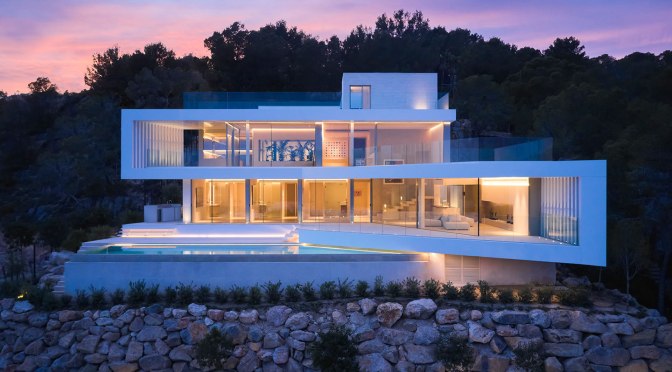
Overlooking Camp de Mar, Villa Anguli is constructed on a unique, south-facing elevated plot of just over 1,000 square metres that is built into the rock on three levels that total 399 sqm of constructed area.

Camp de Mar is a small resort village in the municipality of Andratx on the Spanish Balearic Island of Mallorca. The resort is 20 miles west of the island main airport of Son Sant Joan Airport. The resort’s beach has been awarded a blue flag.

ItalIan Views: Villa Astor, Sorrento, Amalfi Coast

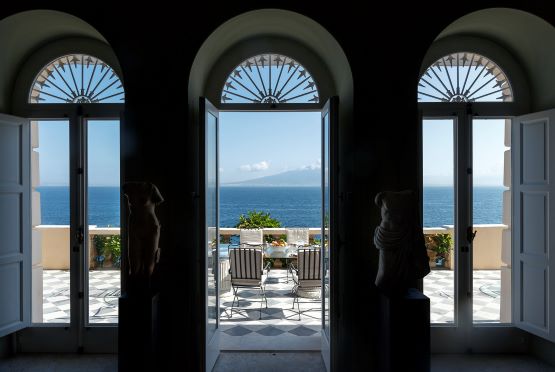
Villa Astor, the most prestigious property in Sorrento, is a magnificent edifice towering above the Gulf of Naples. The Villa and the distinctive garden, one of the 20 most beautiful gardens in Europe on two hectares (4+ acres) of land, face outwards Naples and the Vesuvio with a sheer drop to the sea.

The three story Villa has large terraces. Moreover, the domain includes an annex, a garden with fountains, lily ponds and a small pool as well as two private accesses to the Mediterranean and several large roman caves. The property  includes the remains of a Roman villa and a collection of 145 archaeological pieces of great cultural and historical interest.

Read more

English Country Homes: 17th-Century Urchfont Manor In Wiltshire, UK

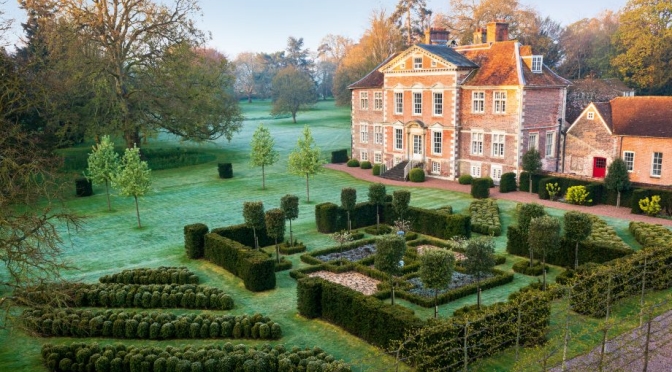
Within a few years of buying Urchfont Manor in 2013, Chris Legg and Eleanor Jones, with the help of a friend, landscape architect Paul Gazerwitz, had given their home a new vista that unites house and garden, as well as evoking the formal Baroque of the house’s late-17th-century past.

George Plumptre June 12, 2021

Their aim was to balance historical integrity with the development of a new garden. Continuity would be kept by preserving the garden’s bones, such as the walled garden and the fine trees beyond open lawn to the south and east. Work began on the rectangular walled kitchen garden.

The architecture on this side of the house is engagingly uneven and this is picked up in the new garden, which is neat and formal, but appropriately domestic in scale. The kitchen garden has been laid out afresh, with 16 rectangular patches divided by narrow gravel paths and with a square of four greengages in the centre. Crops are rotated and, every year, one bed celebrates an unusual plant, such as borlotti beans or root ginger. Elsewhere are nurtured asparagus and strawberry beds and a fruit cage with raspberries and gooseberries.

Read more at Country Life Magazine